Improved coastal resilience in Côte d'Ivoire and Ghana
The Improved Resilience of Coastal Communities in Côte d’Ivoire and Ghana project
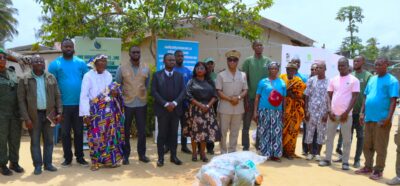
The Improved Resilience of Coastal Communities in Côte d’Ivoire and Ghana project, supported by the Adaptation Fund, is a 3.5-year initiative (Nov 2024 – May 2028) with a total budget of USD 13.99 million. It aims to empower 21 vulnerable coastal communities — 10 in Côte d’Ivoire and 11 in Ghana — to be well cushioned from the impacts of climate change.
The project will have direct impact on 126,019 people and 14.2 million people indirectly, across 21 coastal communities in Côte d’Ivoire and Ghana.
Through innovative, nature-based solutions and inclusive planning, this initiative is laying the groundwork for stronger infrastructure, restored ecosystems, and sustainable livelihoods.
The project is implemented by UN-Habitat as the Implementing Entity, in partnership with Habitat for Humanity International (lead Executing Entity for community-level interventions, with ActionAid as an implementing partner in Ghana), the University of Twente, and the Abidjan Convention Secretariat. The project is being implemented in partnership with the UN-Habitat, University of Twente and the Abidjan Convention Secretariat.
The project is implemented with strong leadership from the national Ministries of Environment, ensuring government ownership and long-term sustainability.
Our Goal
Our goal is to reduce climate vulnerability in West Africa’s coastal communities by mitigating shoreline erosion and safeguarding homes, livelihoods, and ecosystems. This will be achieved through integrated, community-driven solutions that:
Strengthen climate-resilient infrastructure
Restore degraded ecosystems through nature-based and climate-resilient infrastructure (drainage channels, infiltration basins, mangrove buffers)
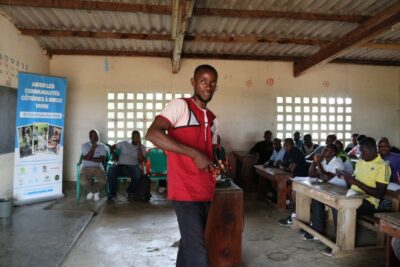
Empower local communities with adaptive livelihoods and disaster preparedness
Our ultimate aim is to support creation of sustainable, thriving coastal zones where communities can adapt and prosper despite rising sea levels, erosion, and flooding.
Impact on Coastal Communities
Building resilience where it matters most
Our work is more than plans and reports — it’s about transforming lives. Here’s how the expected changes will impact communities in Côte d’Ivoire and Ghana:
Safer homes and settlements: Climate-resilient infrastructure will protect families from flooding and erosion, reducing displacement and loss of property.
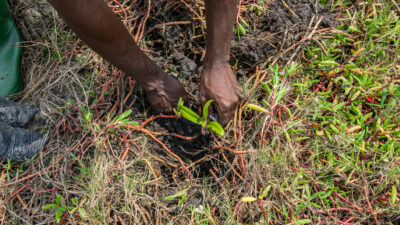
Restored ecosystems: Nature-based solutions like mangrove restoration will revive coastal ecosystems, improving fisheries and food security for local households.
Stronger local economies: Climate-adaptive livelihoods will create new income streams, helping families thrive despite climate challenges.
Prepared communities: Early Warning Systems —equipped with monitoring stations, evacuation plans and trained committees— will give communities the tools to anticipate and respond to disasters, saving lives and minimizing damage.
Inclusive planning: Spatial planning and regional coordination ensure that local voices shape solutions, fostering ownership and sustainability.
Shared knowledge across borders: Côte d’Ivoire and Ghana will exchange best practices, accelerating innovation and scaling impact regionally.
The result?
Coastal communities that are safer, stronger, and better equipped to adapt and prosper in the face of climate change.
How does this initiative support the Sustainable Development Goals?
The Adaptation Fund project contributes directly to global efforts to achieve the UN Sustainable Development Goals (SDGs) by addressing climate resilience, poverty reduction, and ecosystem restoration. Together, these actions create a ripple effect — improving lives, protecting ecosystems, and advancing global sustainability. Here’s how:
By introducing climate-adaptive livelihoods, we are helping vulnerable families secure sustainable income sources and reduce economic risks from climate shocks.
Women’s involvement in climate-adaptive livelihoods and community leadership.
Diversified climate-resilient livelihoods create safer income opportunities.
Through resilient housing and inclusive spatial planning, coastal settlements become safer and more sustainable.
The project strengthens disaster preparedness and implements nature-based solutions to combat climate impacts.
Mangrove restoration and coastal ecosystem protection safeguard marine biodiversity and fisheries.
Cross-border cooperation between Côte d’Ivoire and Ghana fosters knowledge sharing and regional collaboration for climate resilience.
Resources & Downloads
Project Brief
News (In the media)
Progress Reports
Careers
If you are motivated to build resilient communities, join us in delivering solutions that safeguard homes, livelihoods, and ecosystems across coastal West Africa.