Ensemble, nous bâtissons des collectivités saines et inclusives à Abobo-Baoulé

Together, we build healthy communities and hope in Abobo-Baoulé.

Prepared by Lindsey Adjoa Assamouah Abotsi 

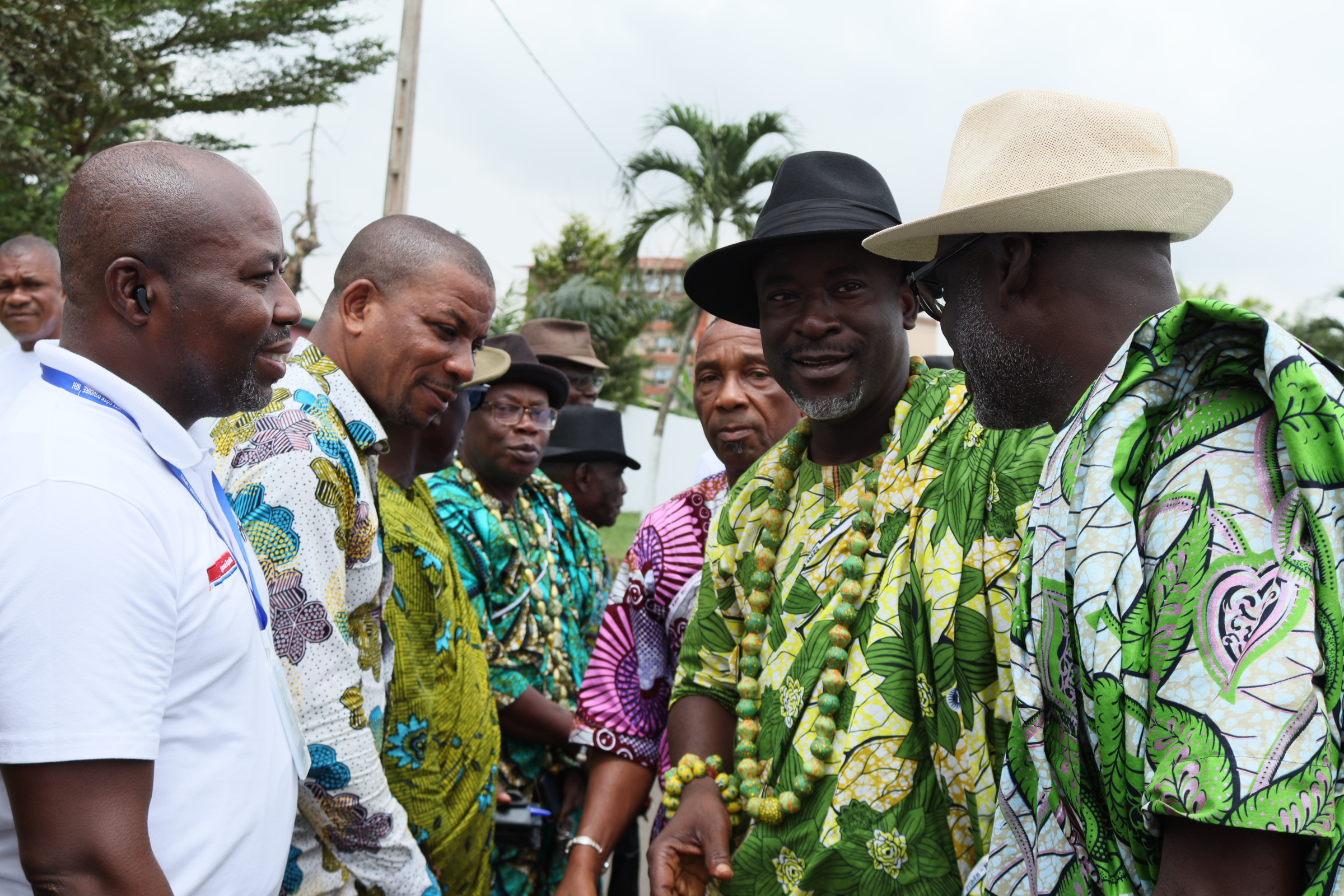
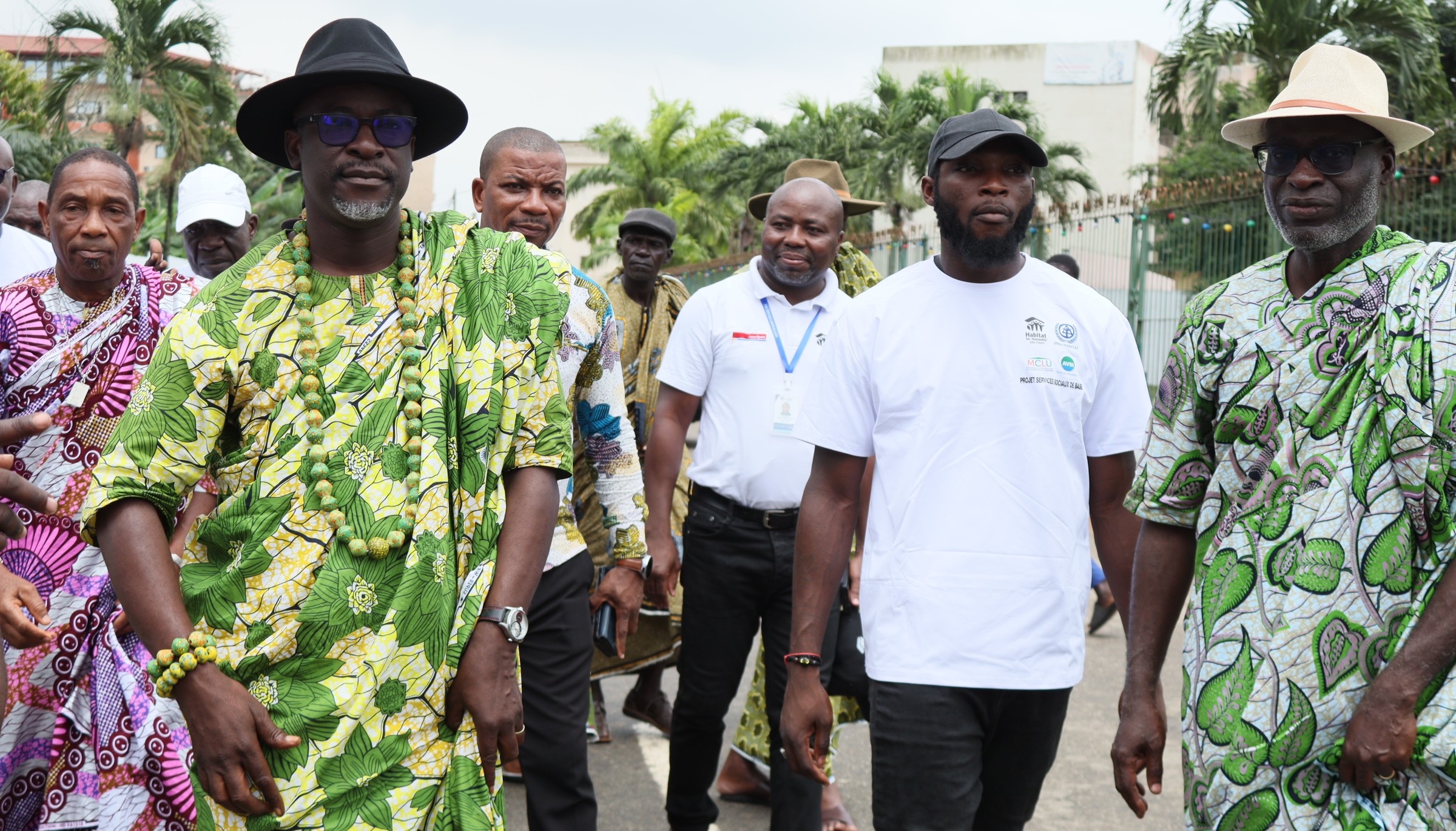
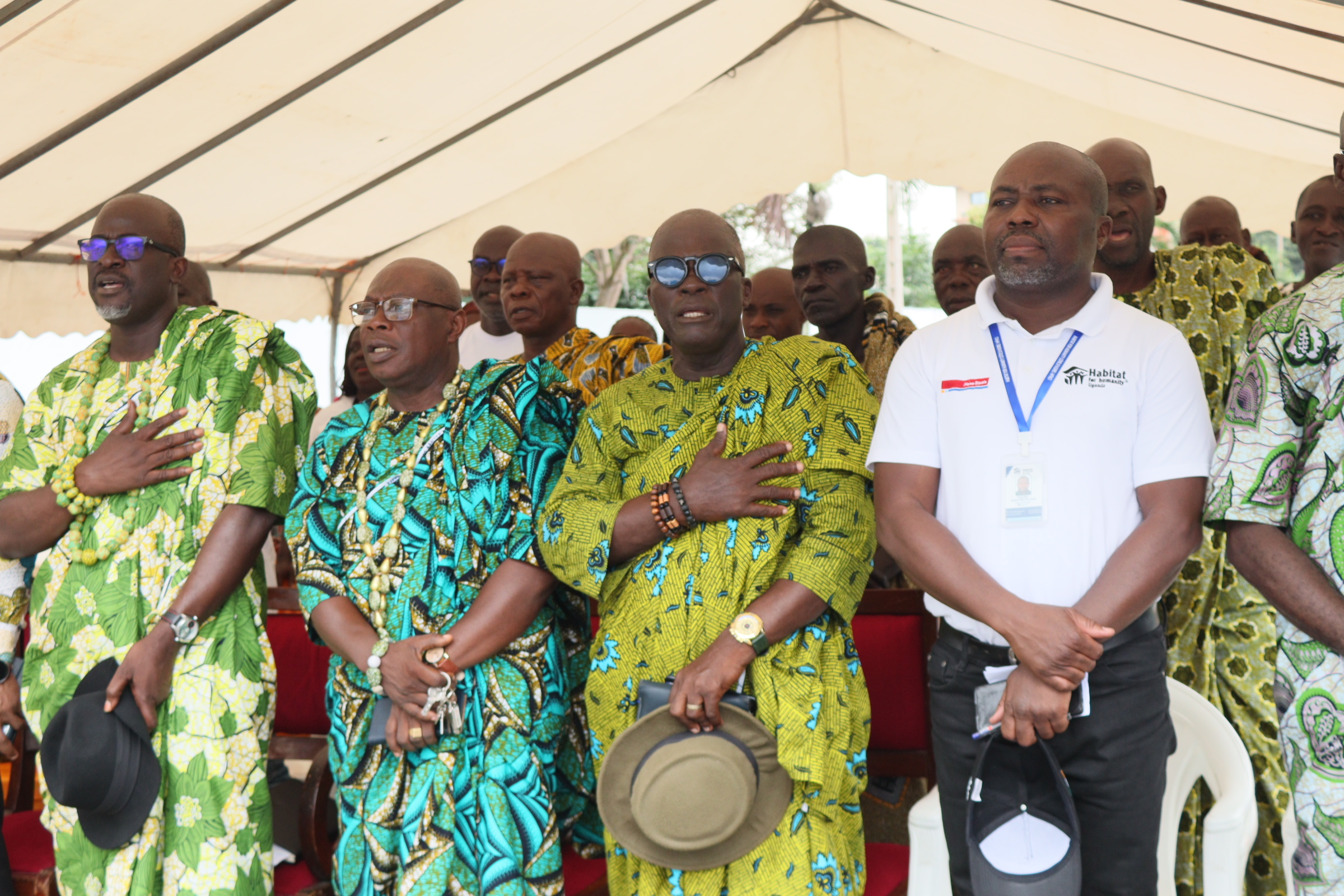
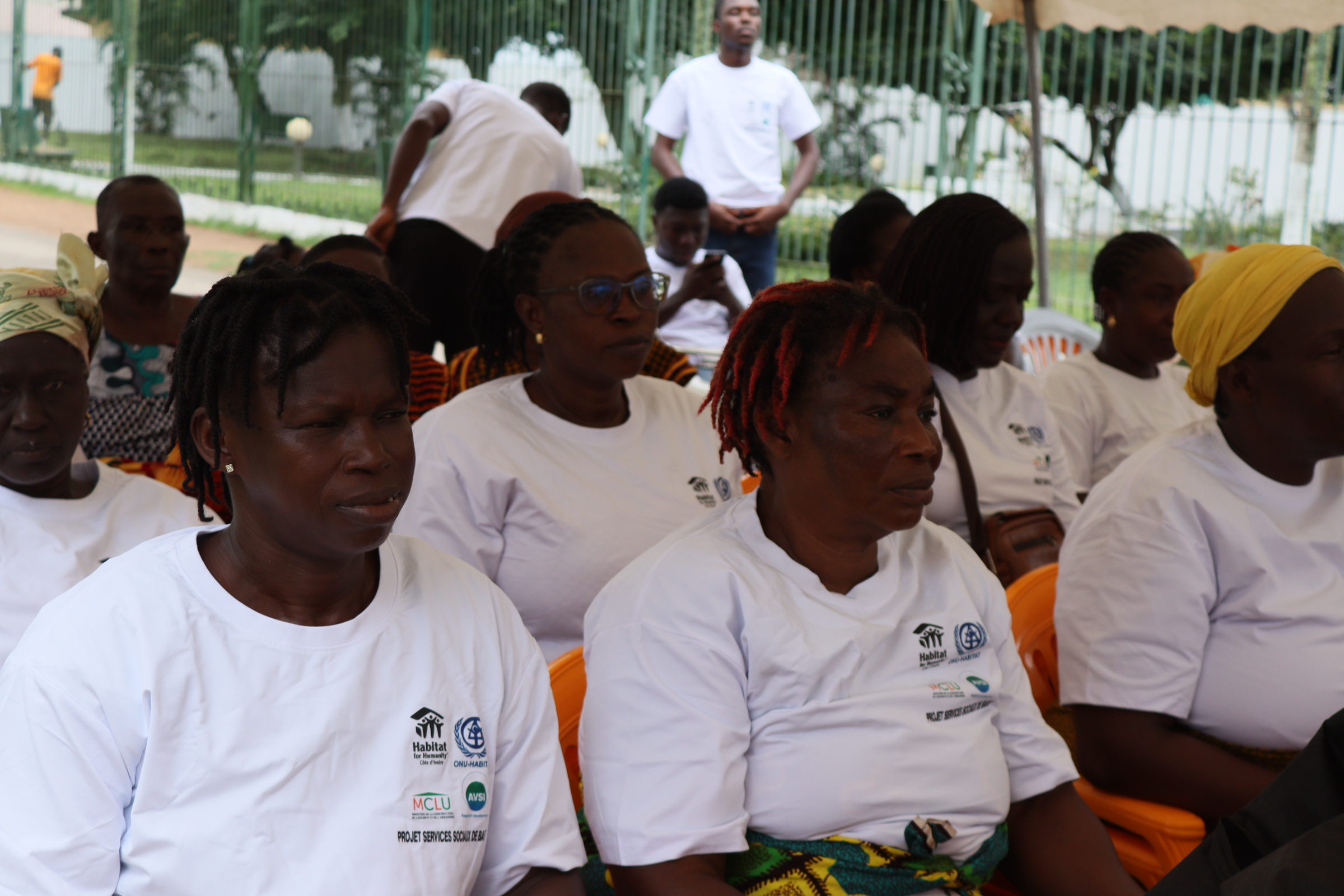
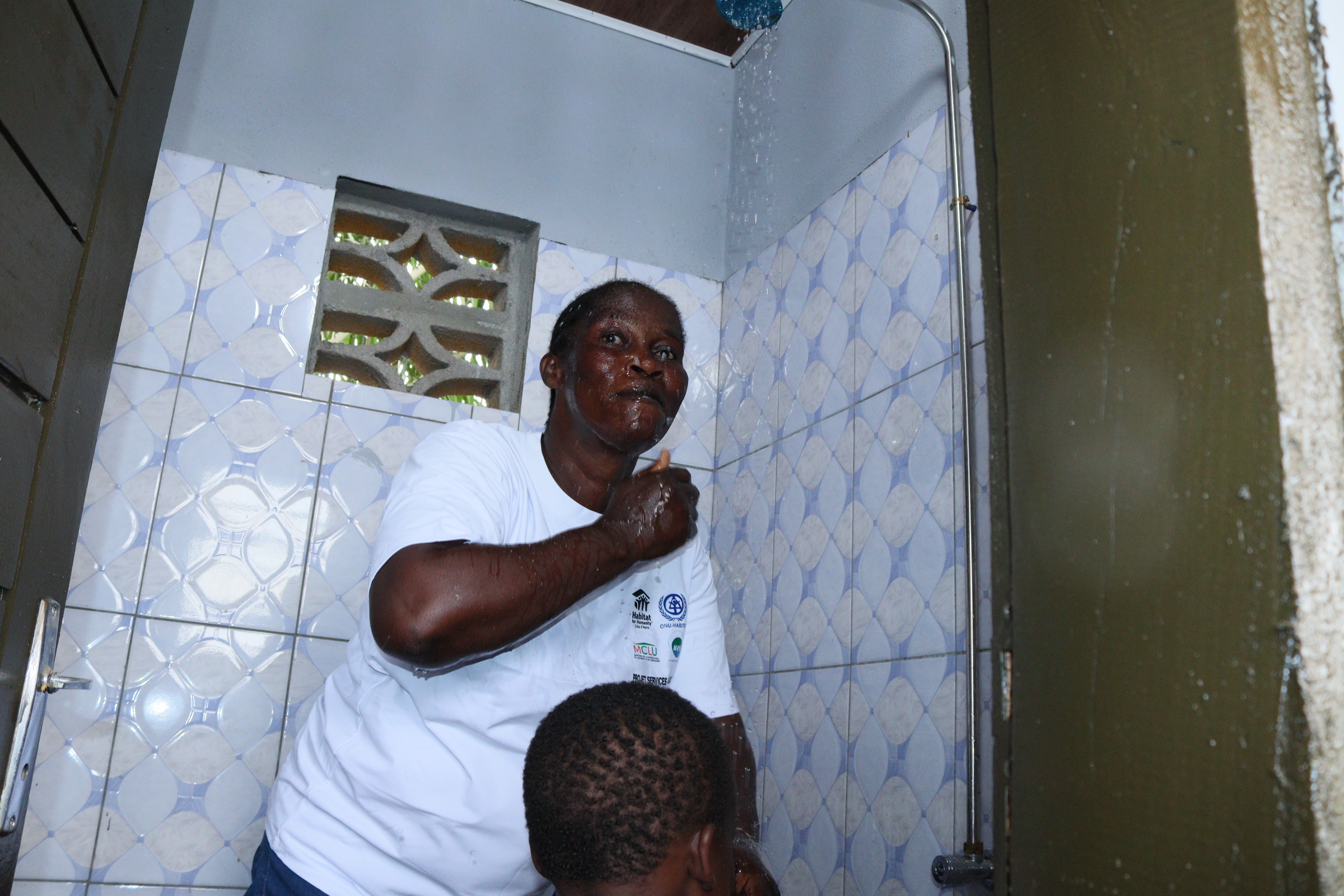
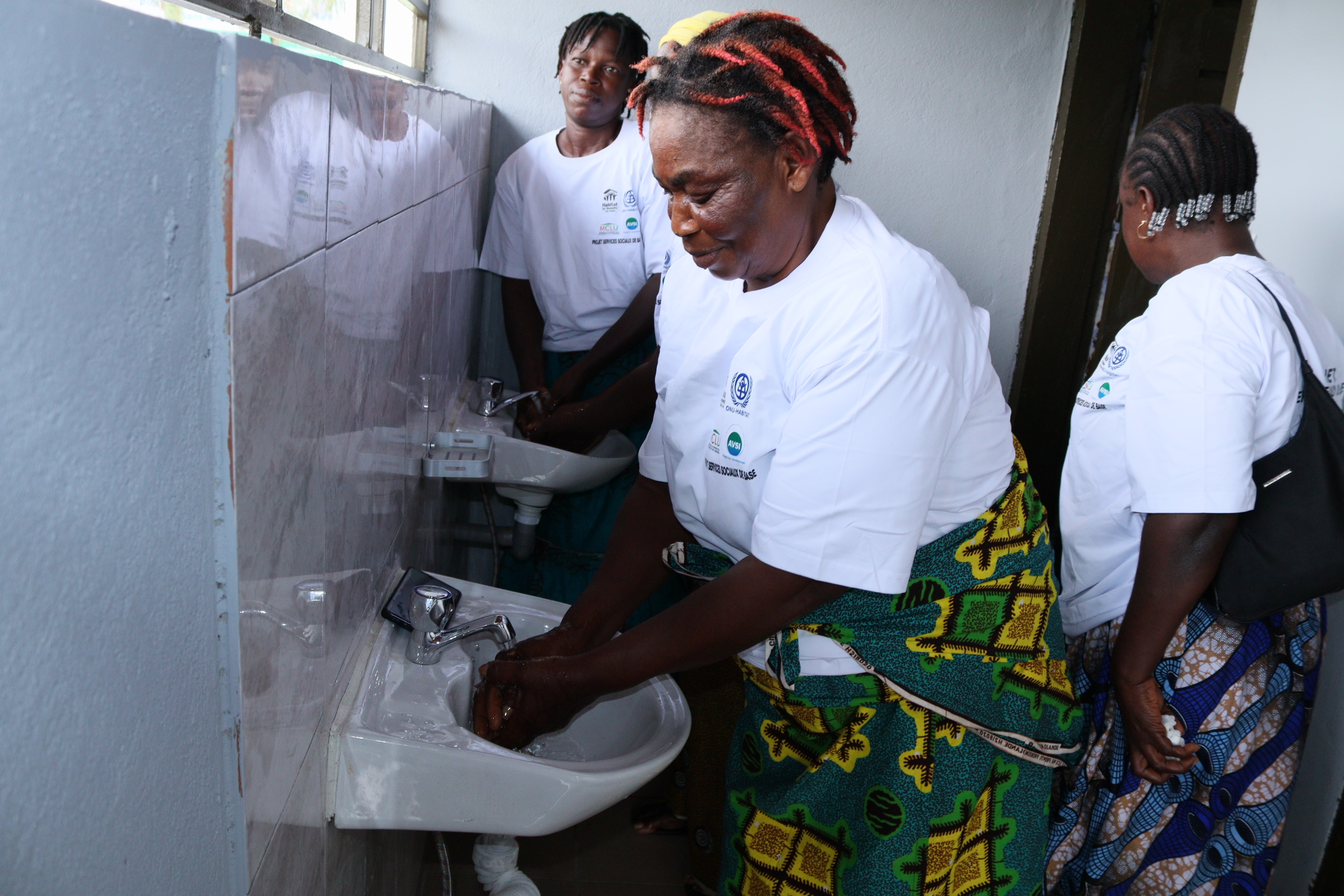
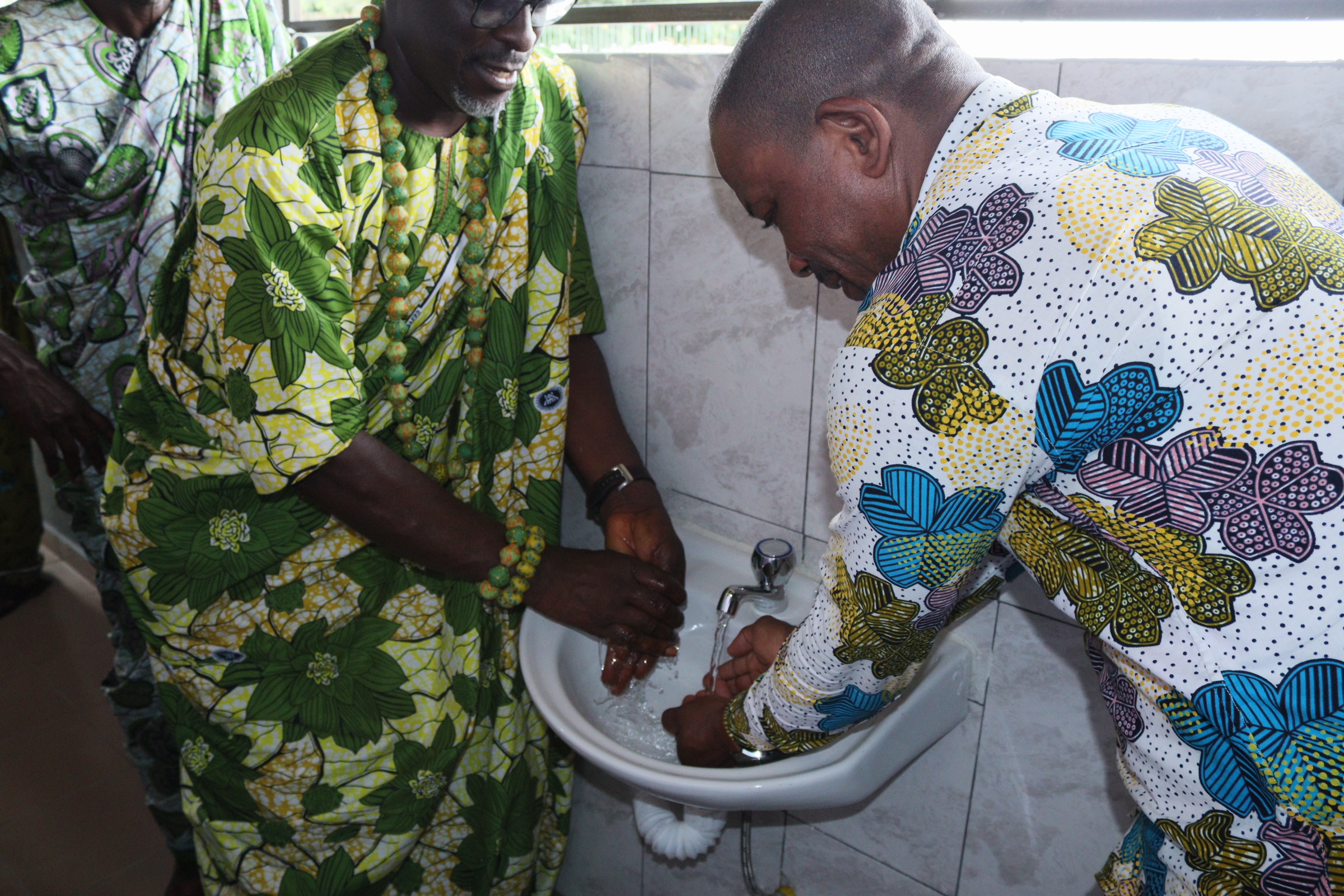
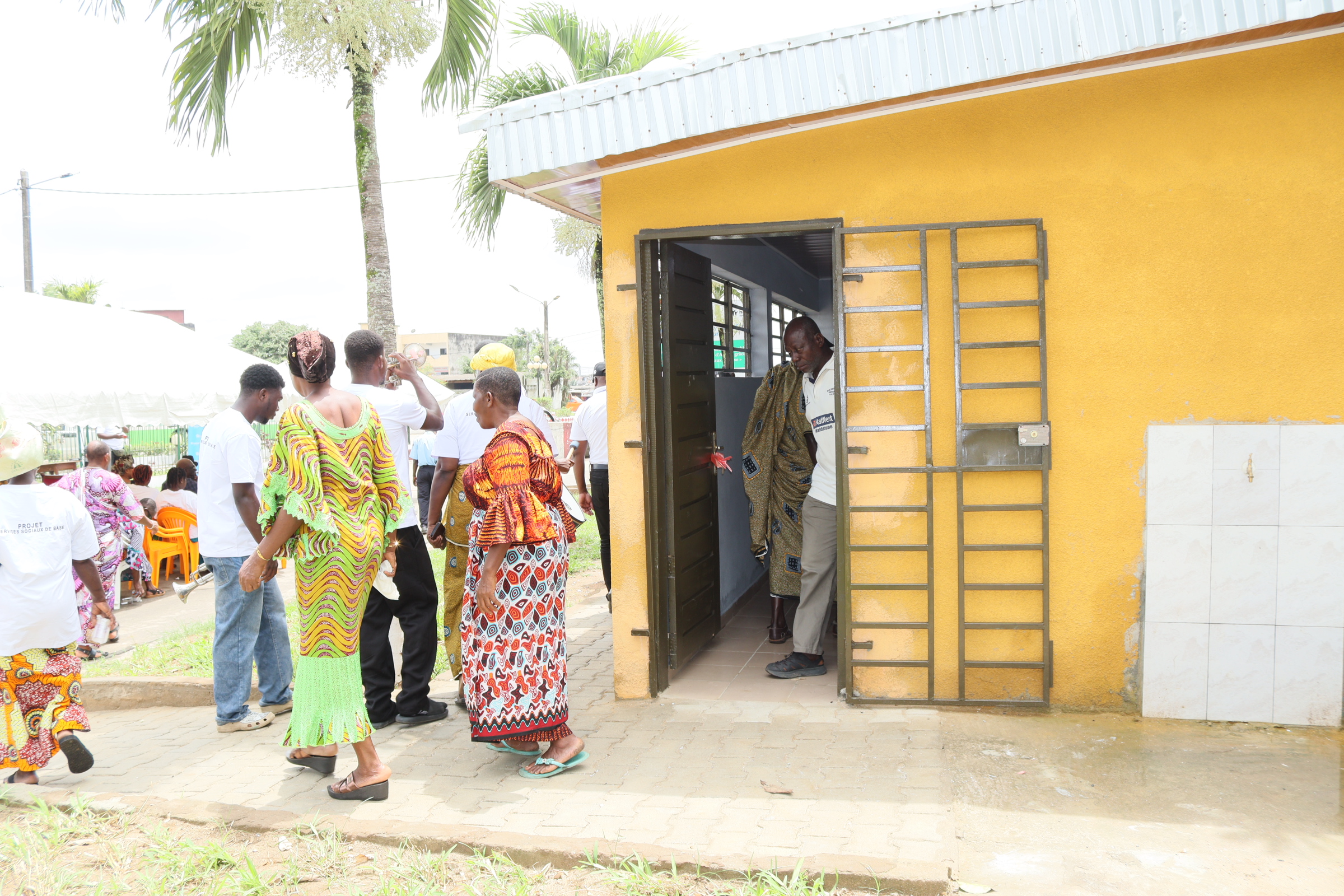
Living in a community lacking proper hygienic infrastructure often heavily influences community members, sometimes leading to poor daily habits and behaviors that eventually give rise to diseases, sicknesses, and widespread unsanitary conditions. However, this Wednesday, October 14, 2026, the community of Abobo-Baoulé chose to reshape its destiny, proving that through collective action, Abobo can truly become a decent place to live.

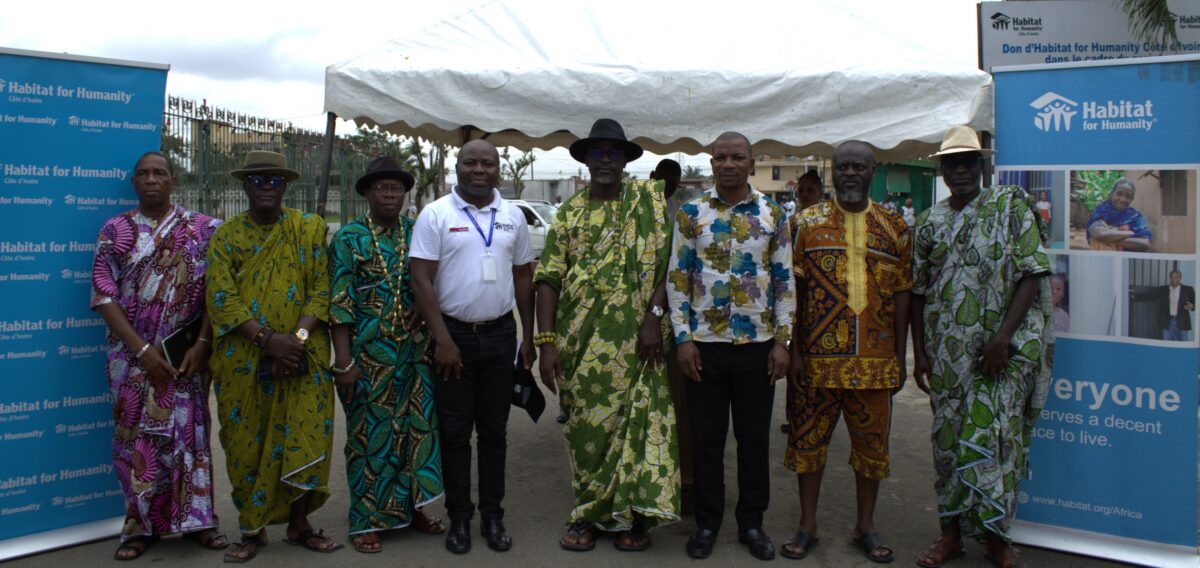
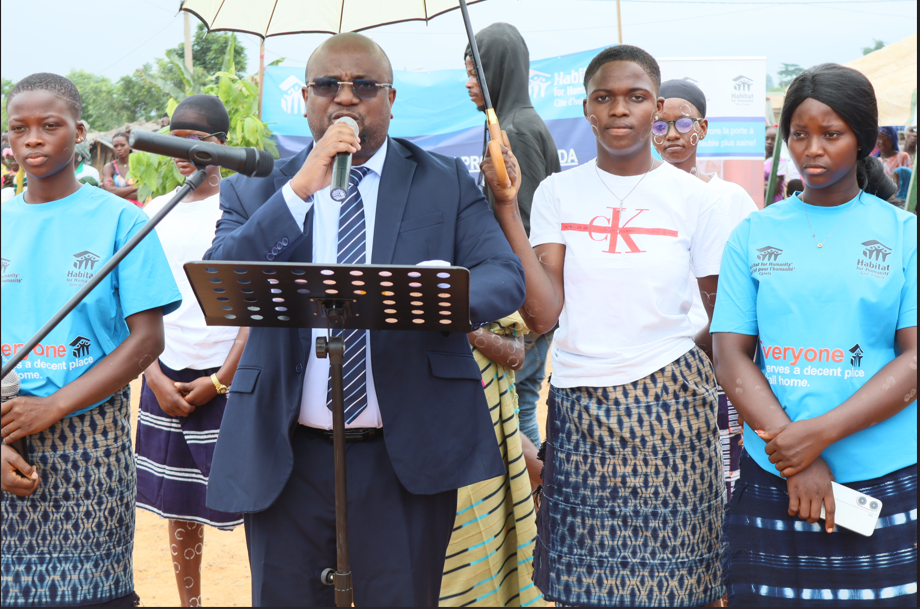
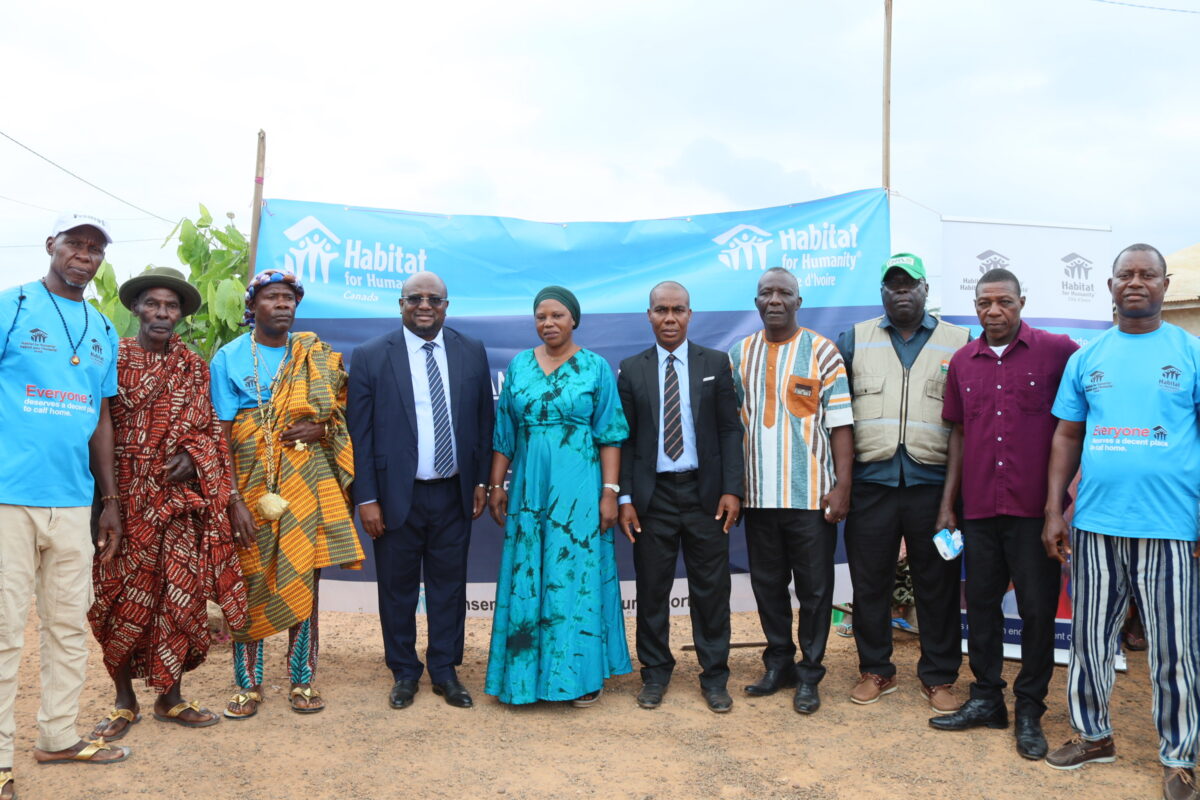
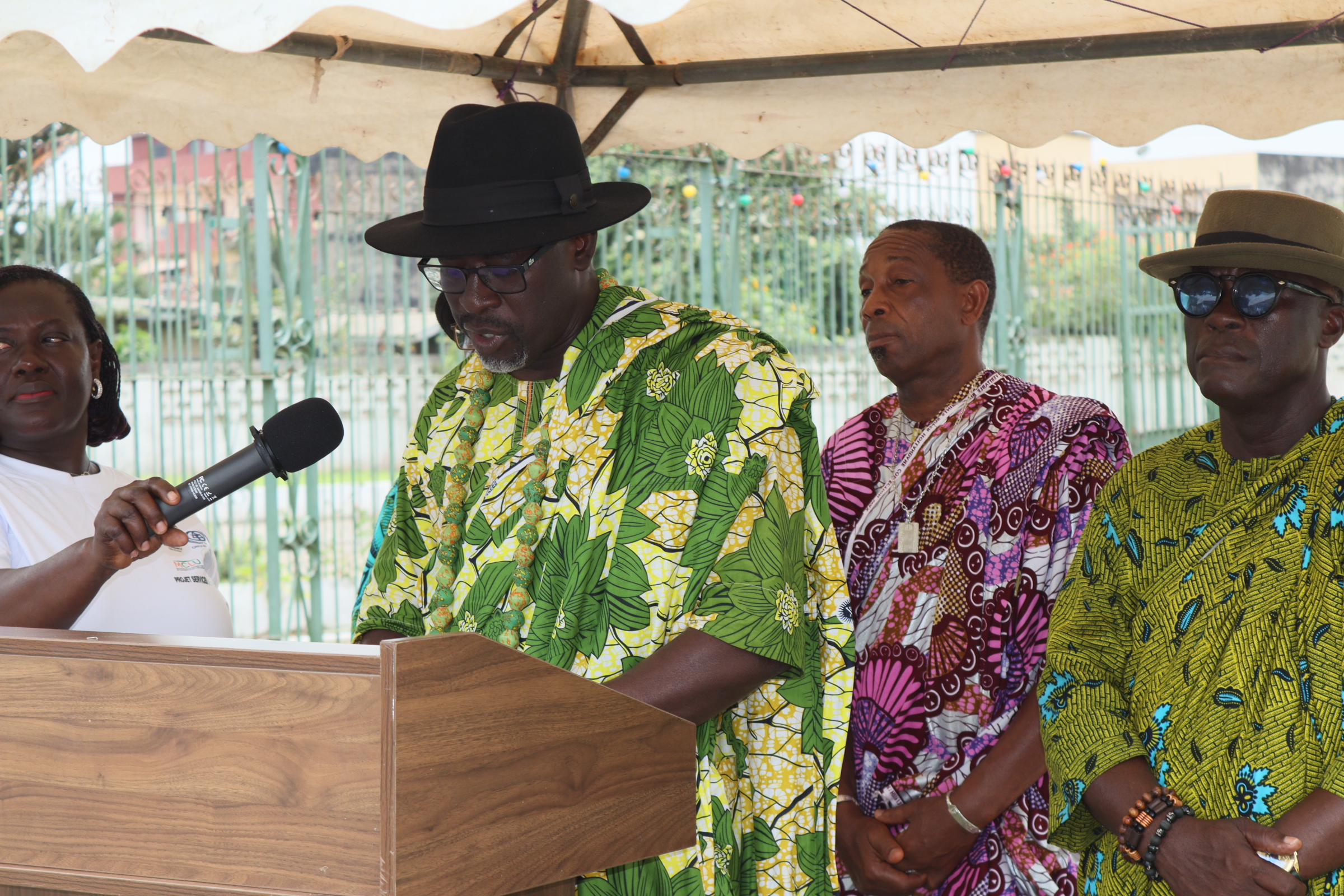
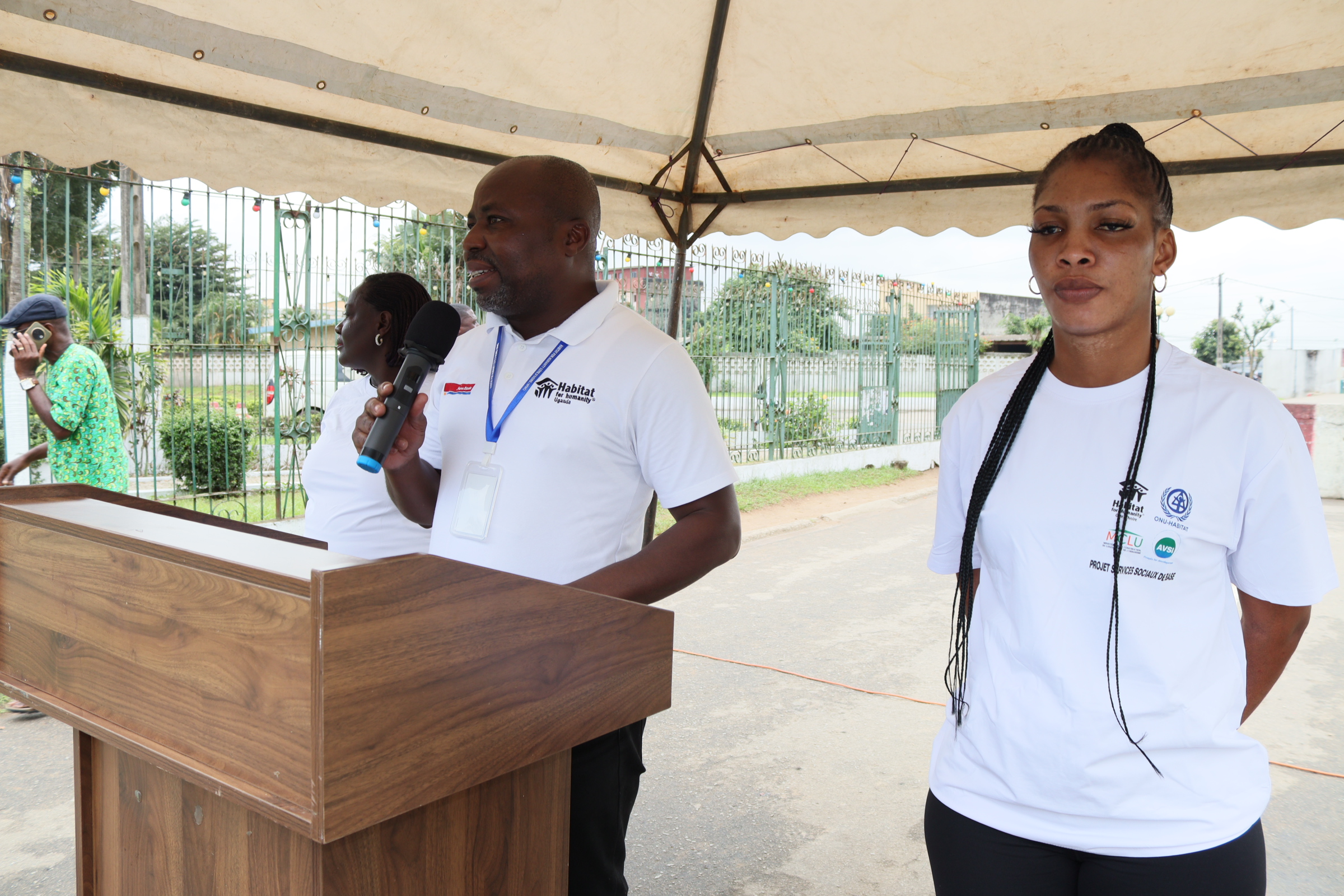
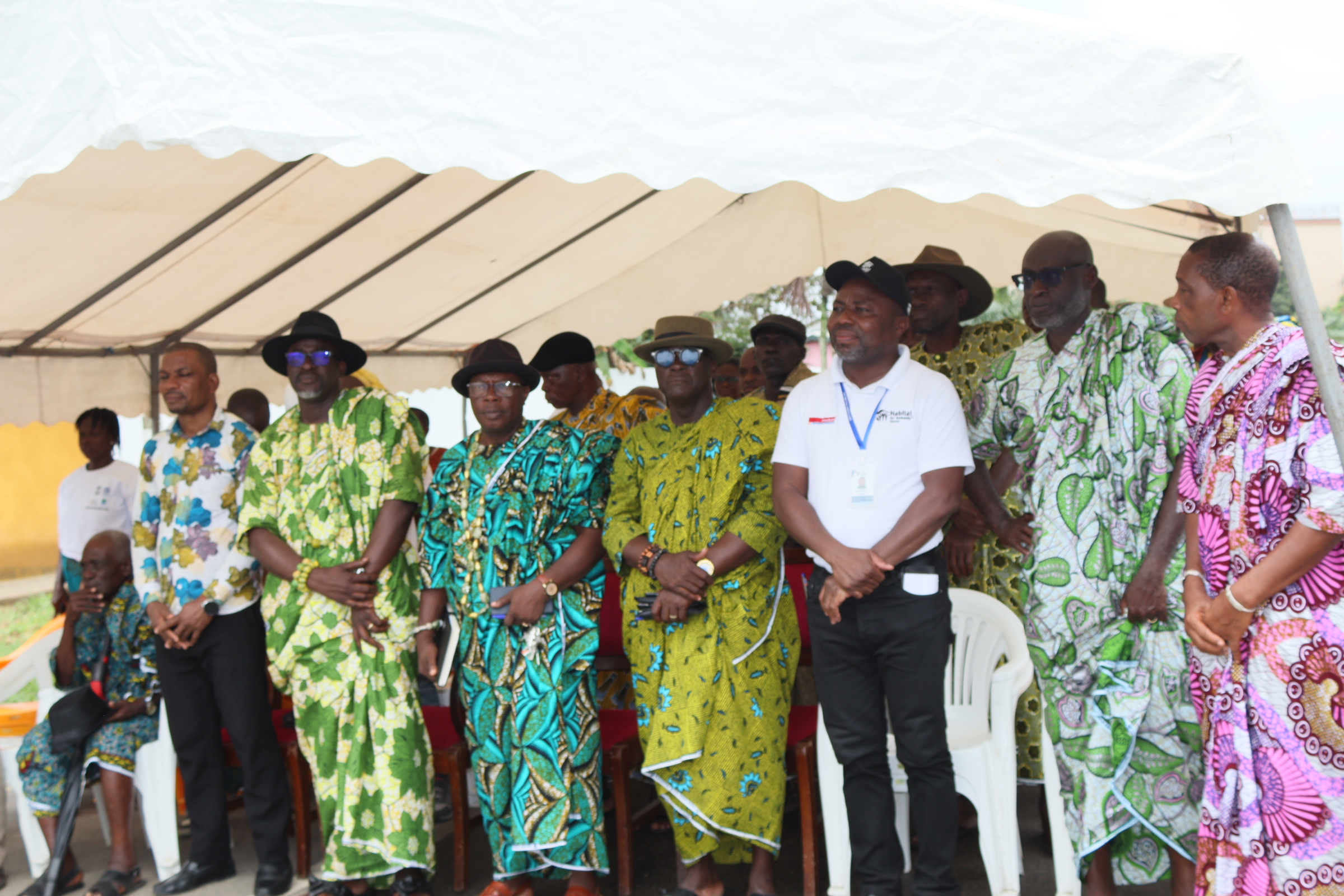
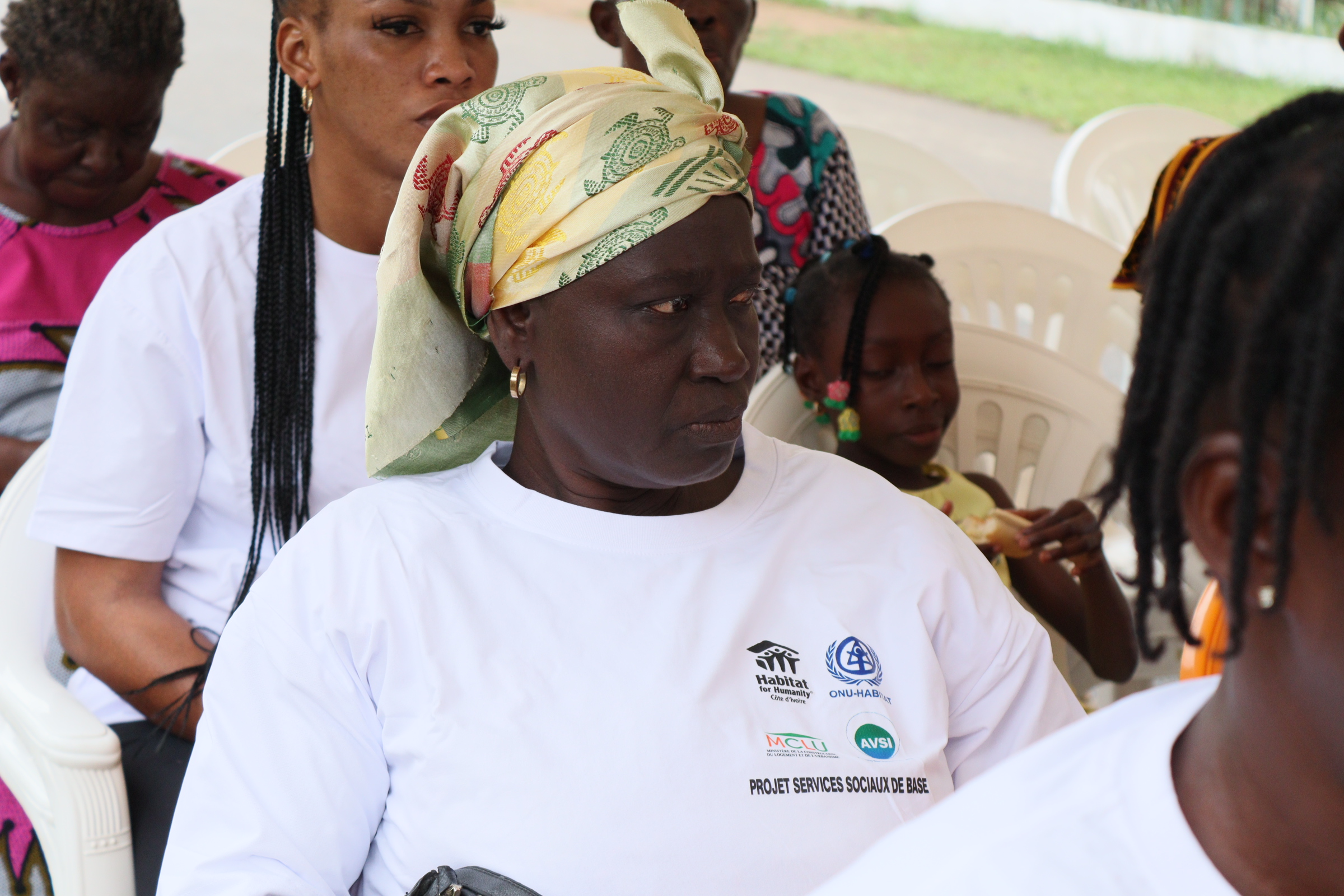
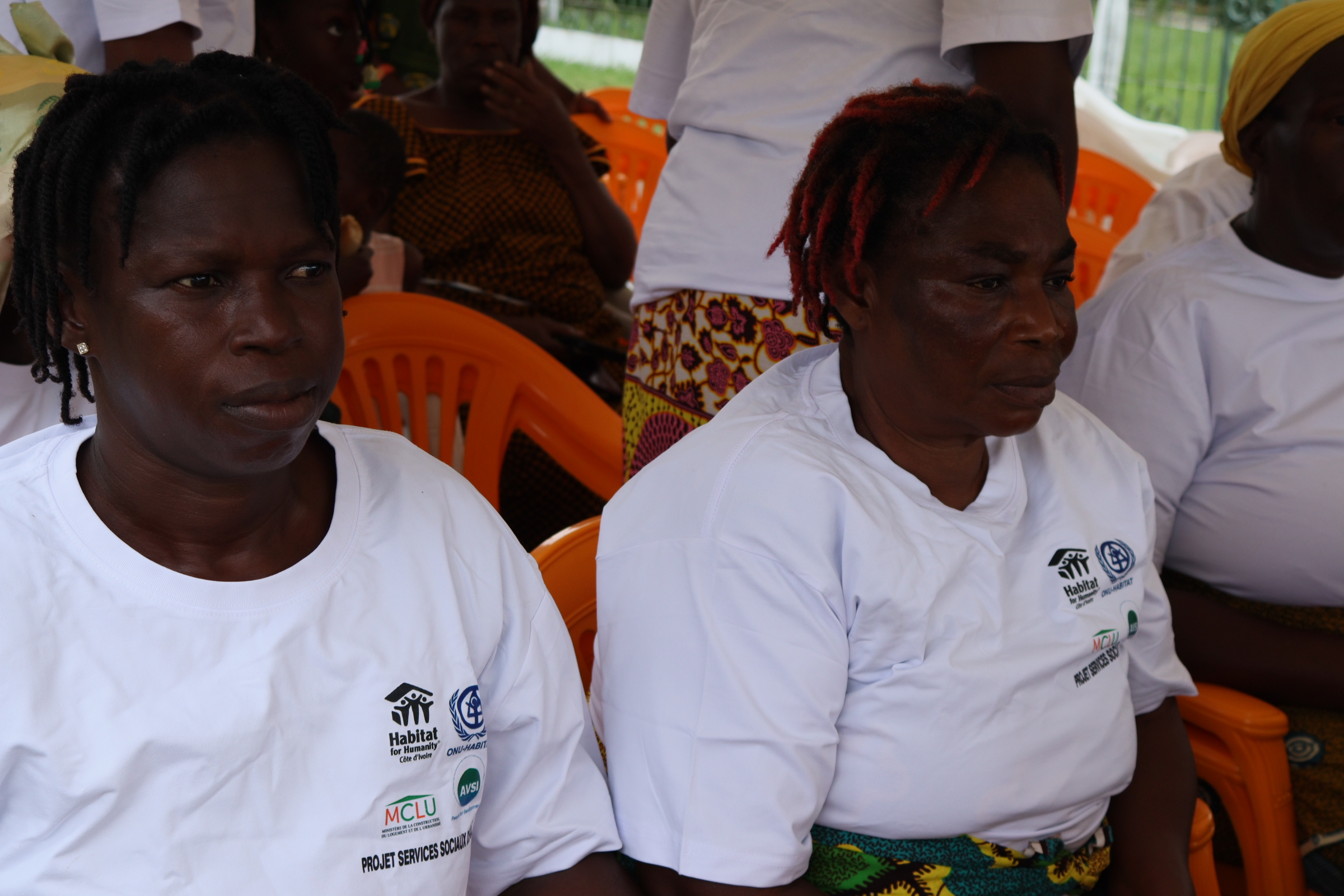
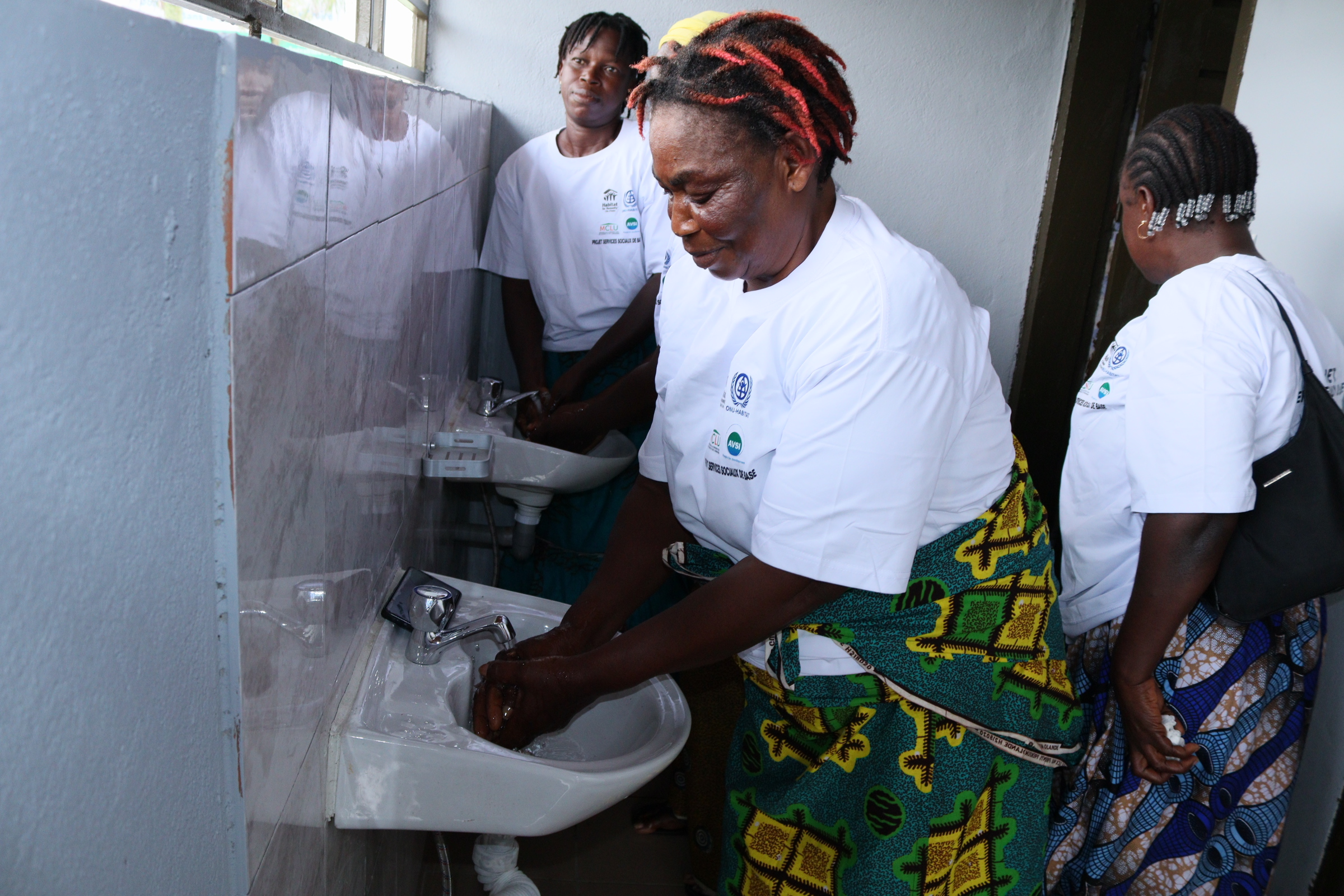
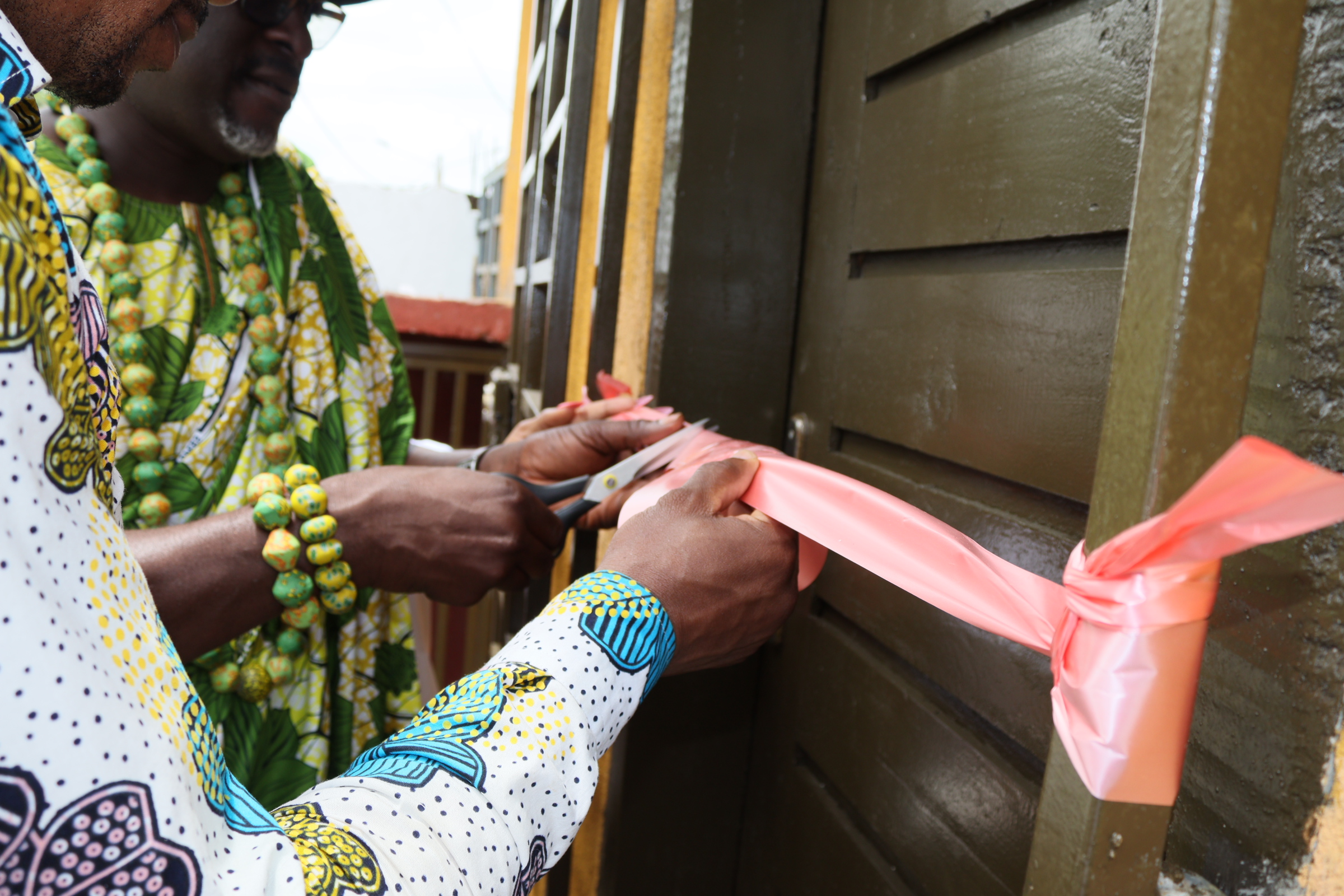
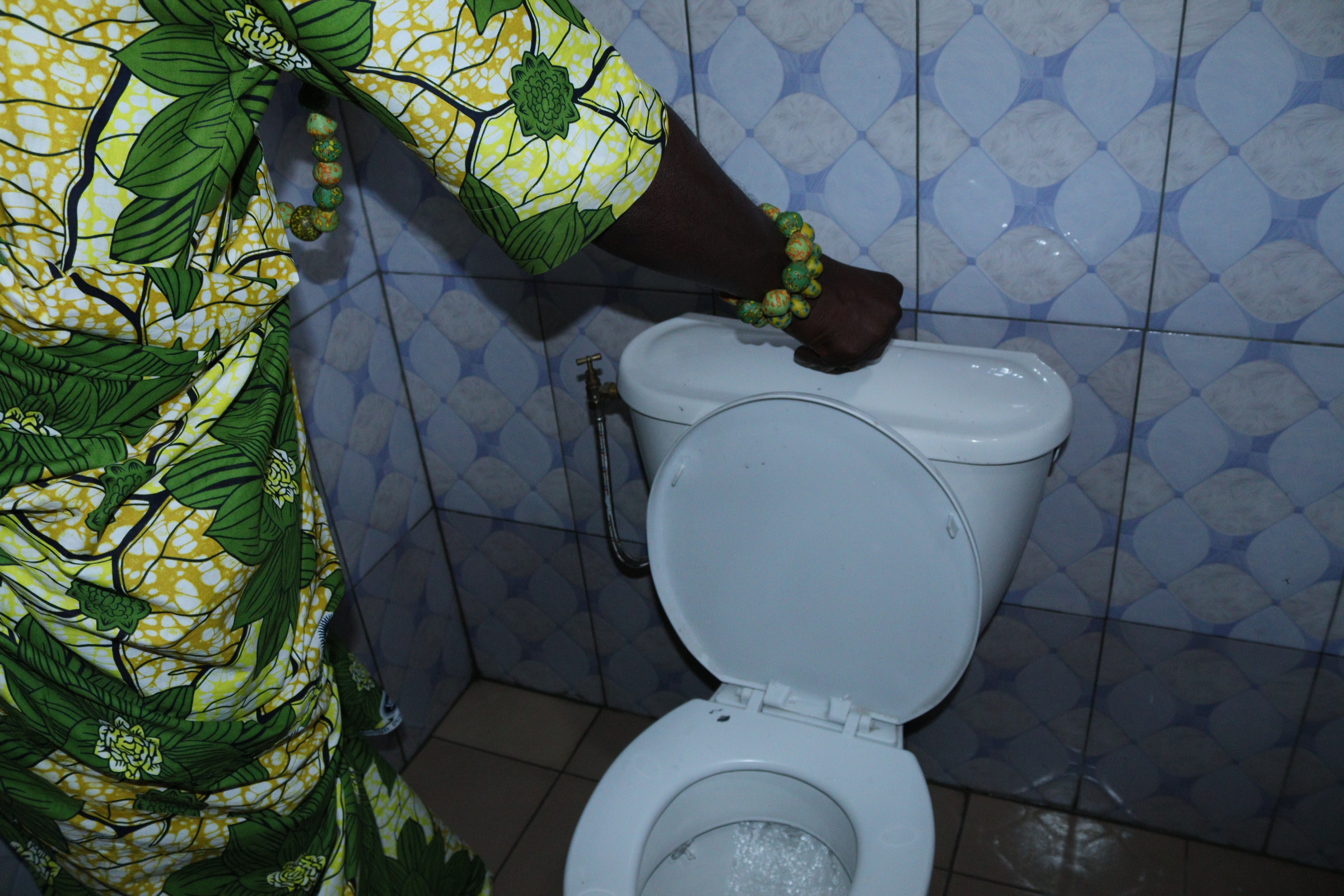
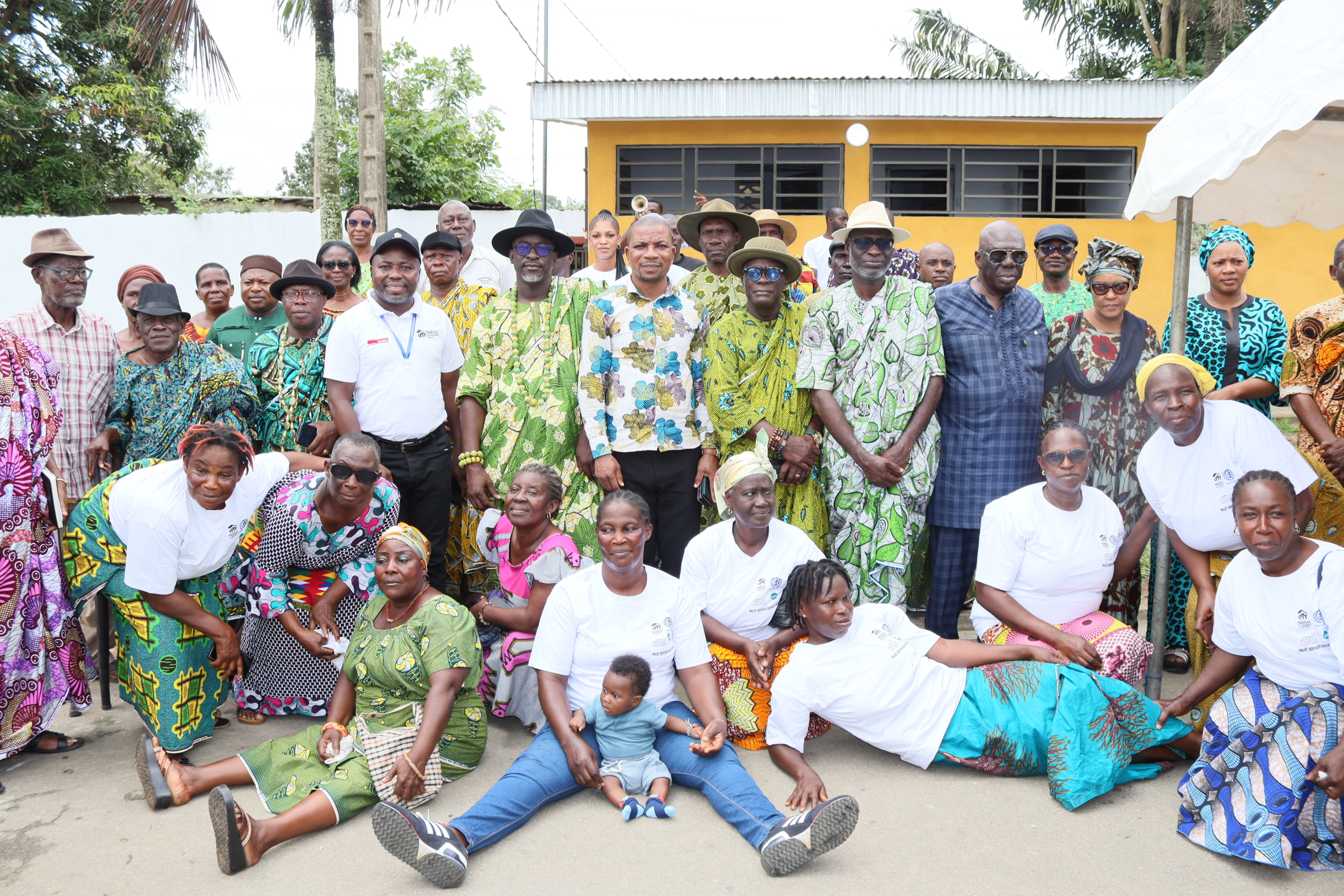
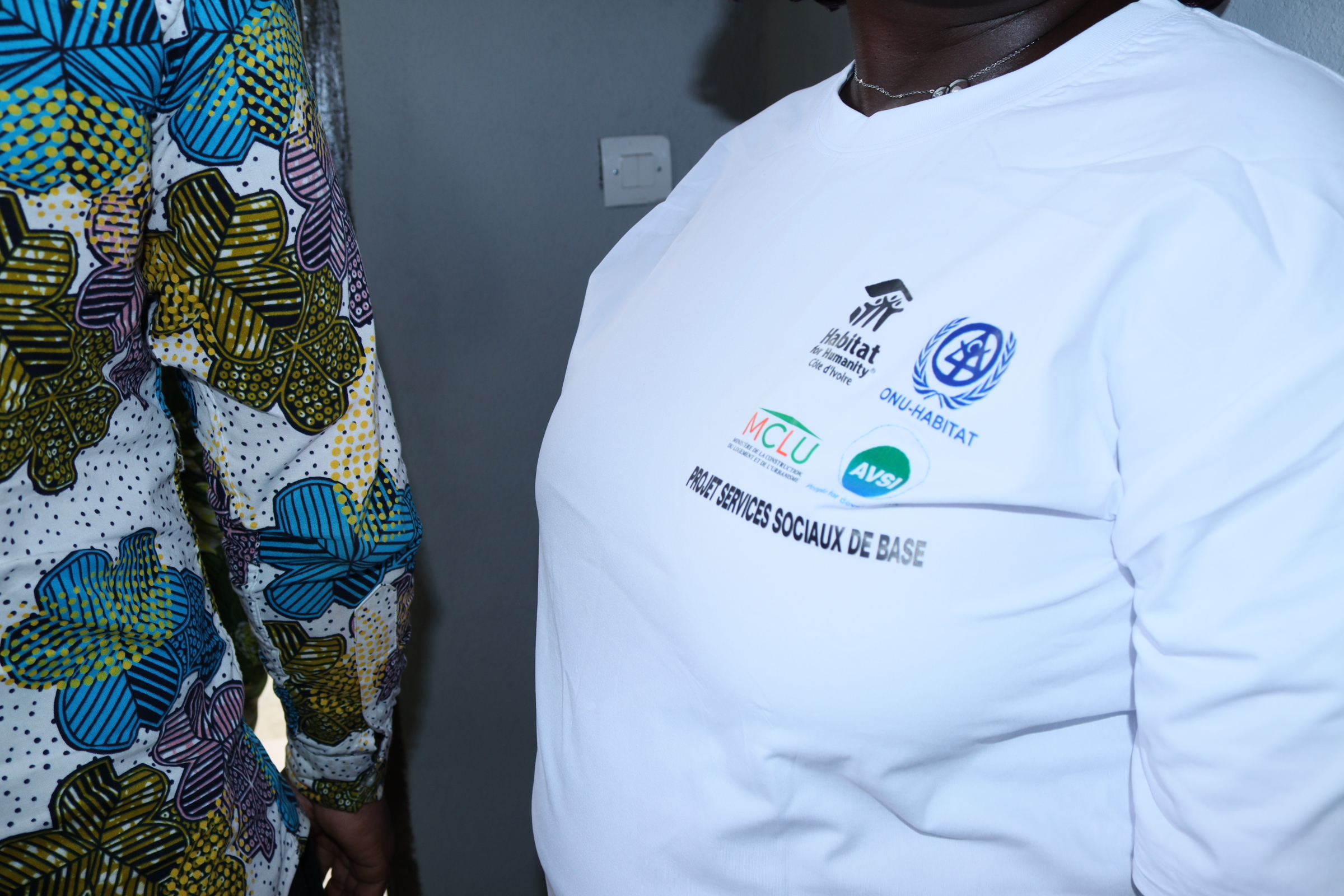
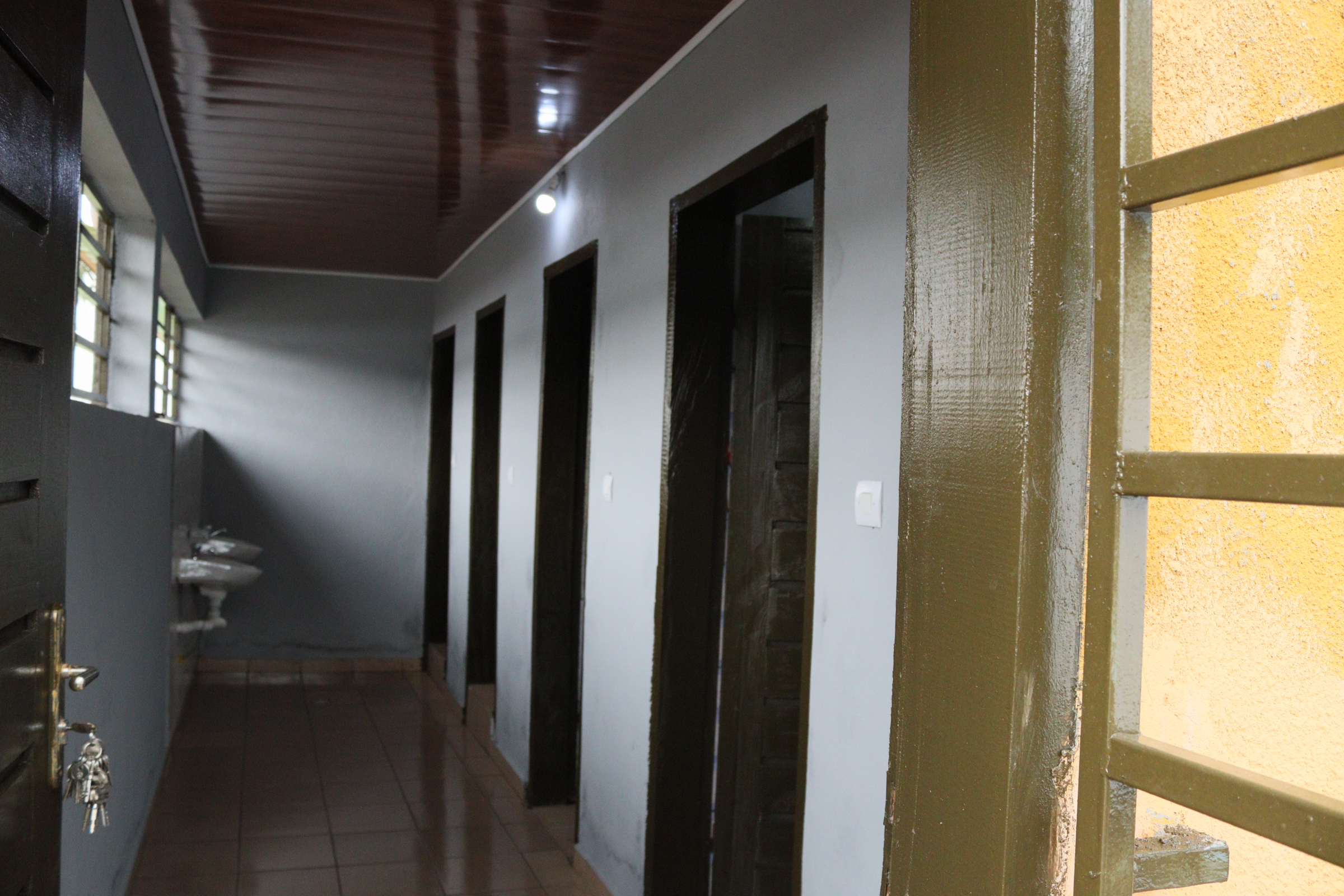
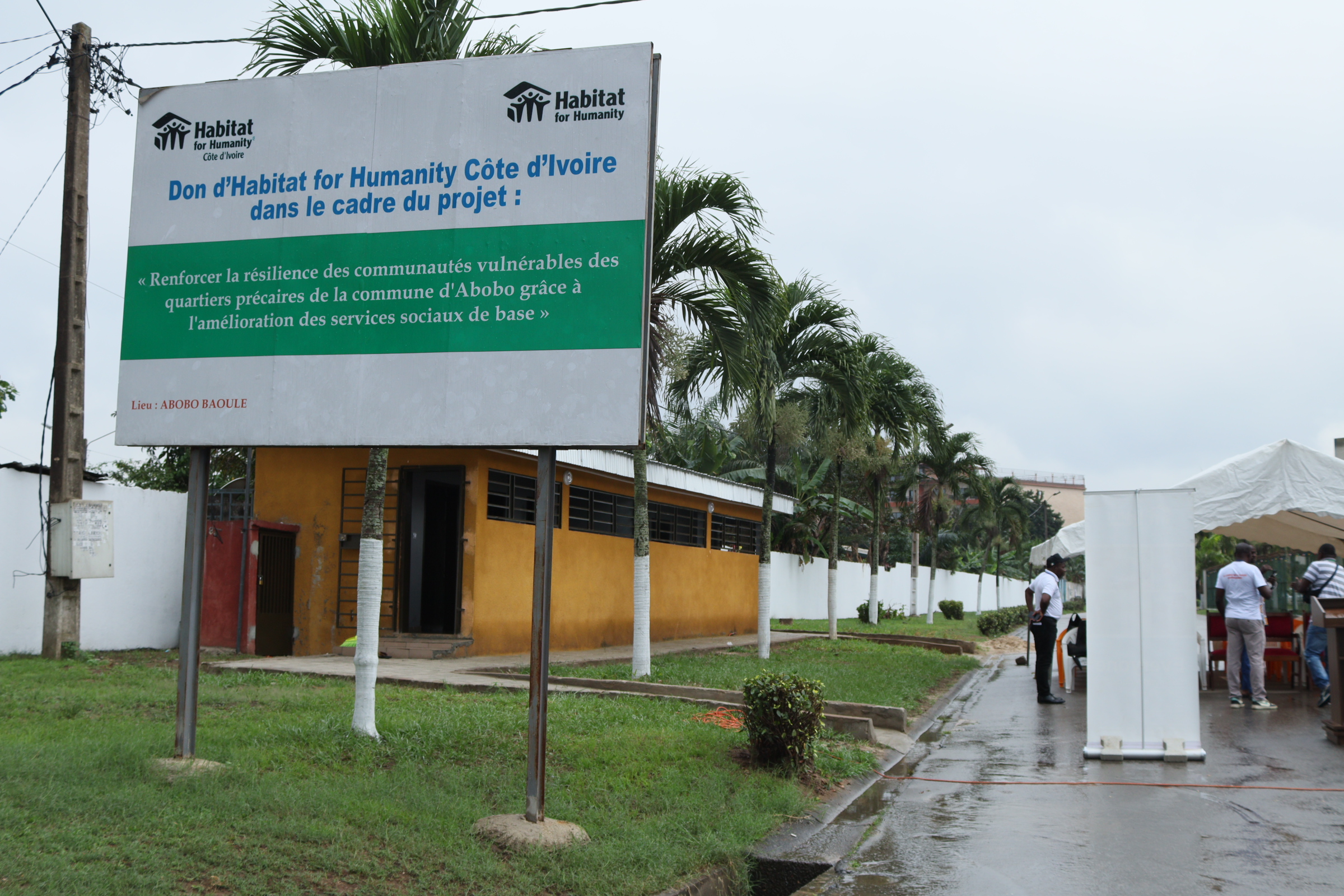
Presided over by village chief AKRÉ MARC NANDJUI and his notables, 65 people gathered near the bustling bus terminal in Abobo-Baoulé to officially inaugurate brand-new public restrooms. This essential project is the result of a powerful partnership between Habitat for Humanity Côte d’Ivoire—represented by Mr. ADAMO KOUAMÉ —and the Municipality of Abobo, represented by municipal councilor Mr. Assi Placide.
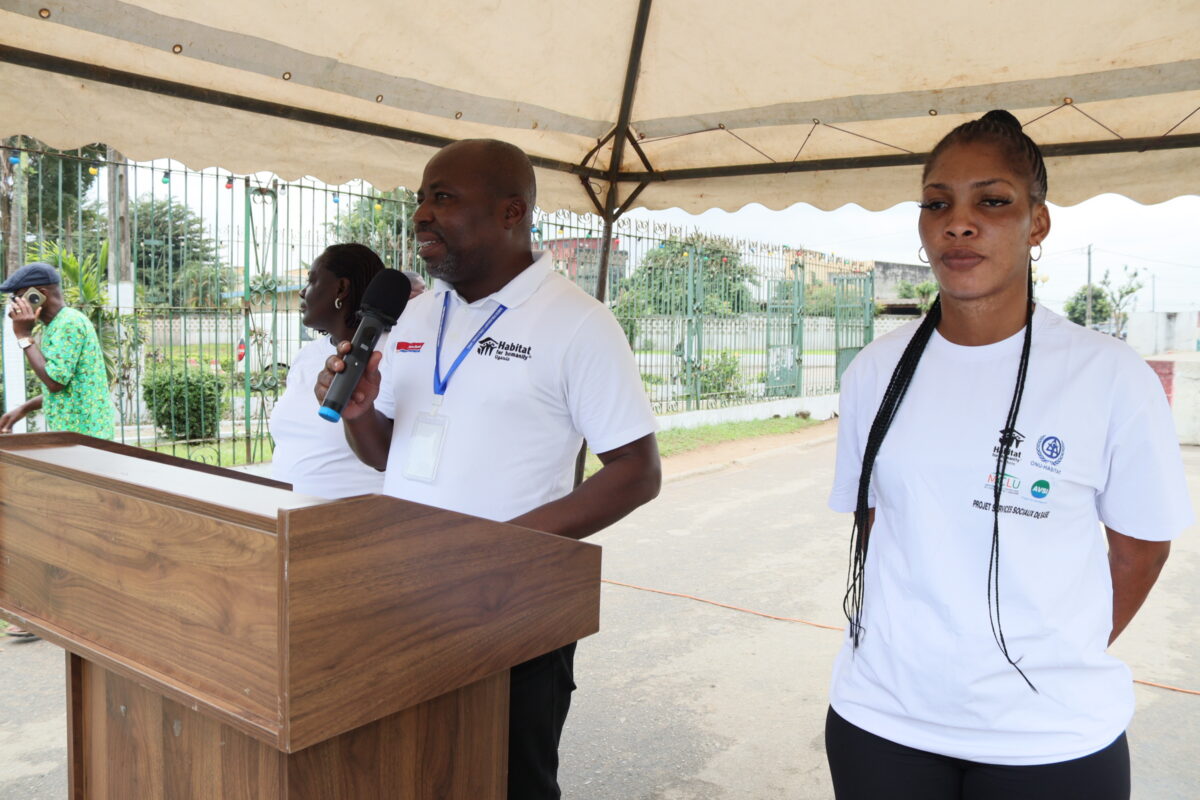
During the ceremony, Mr. ADAMO KOUAMÉ highlighted the critical importance of proper sanitation:

"When communities lack basic hygienic infrastructure, it deeply affects daily life and public health. By working hand in hand, together, we are putting an end to preventable sicknesses and giving residents and travelers the dignity they deserve.".

This milestone goes hand in hand with deep community education. More than 1,000 people who took part in our WASH (Water, Sanitation, and Hygiene) training initiative now know and understand that through these vital infrastructure improvements, we can secure a truly decent place to live. As a result, a  community member shared their heartfelt relief:

"These public restrooms change everything for us. We finally have clean, safe facilities that protect our health and uplift our entire neighborhood."
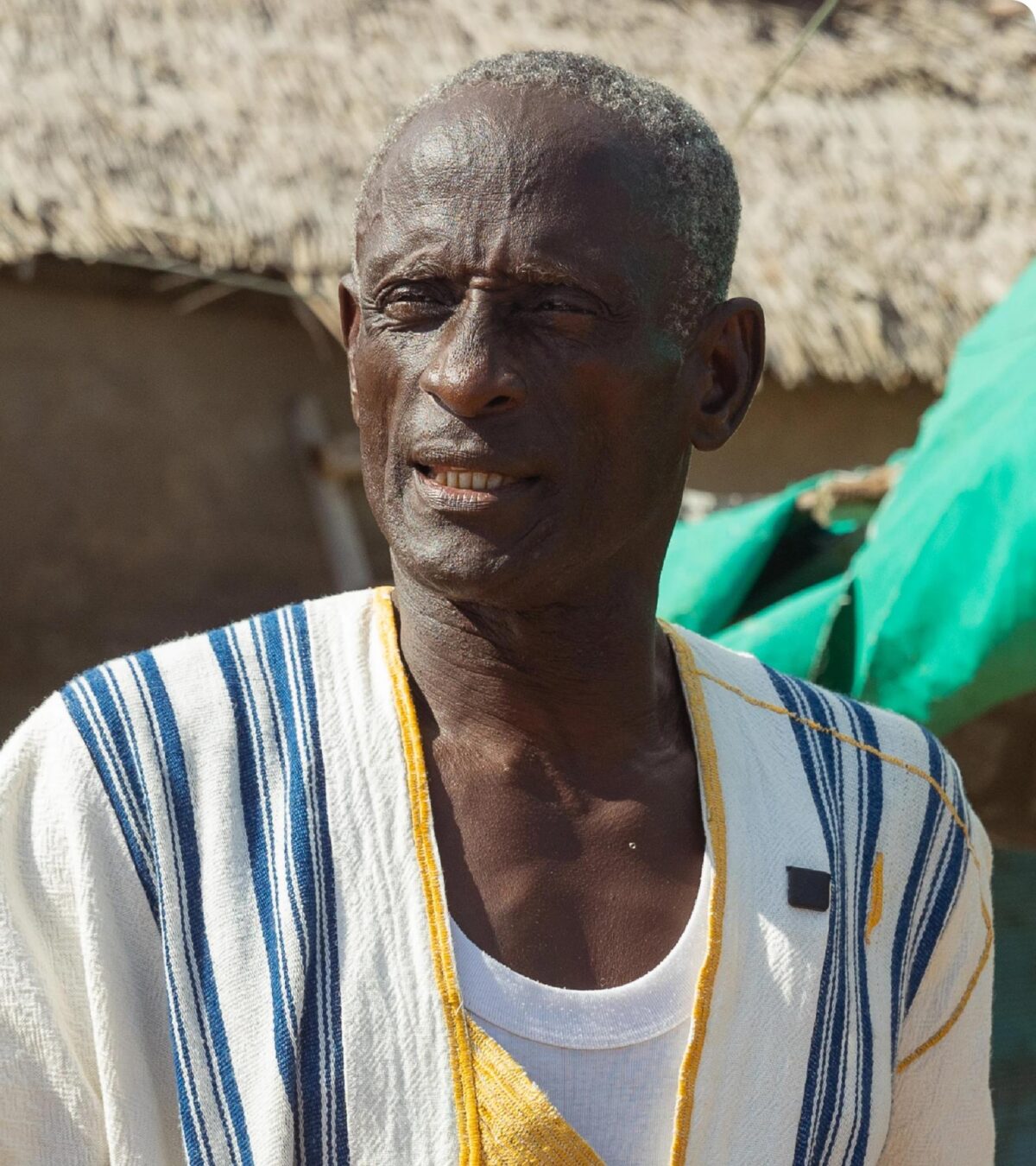
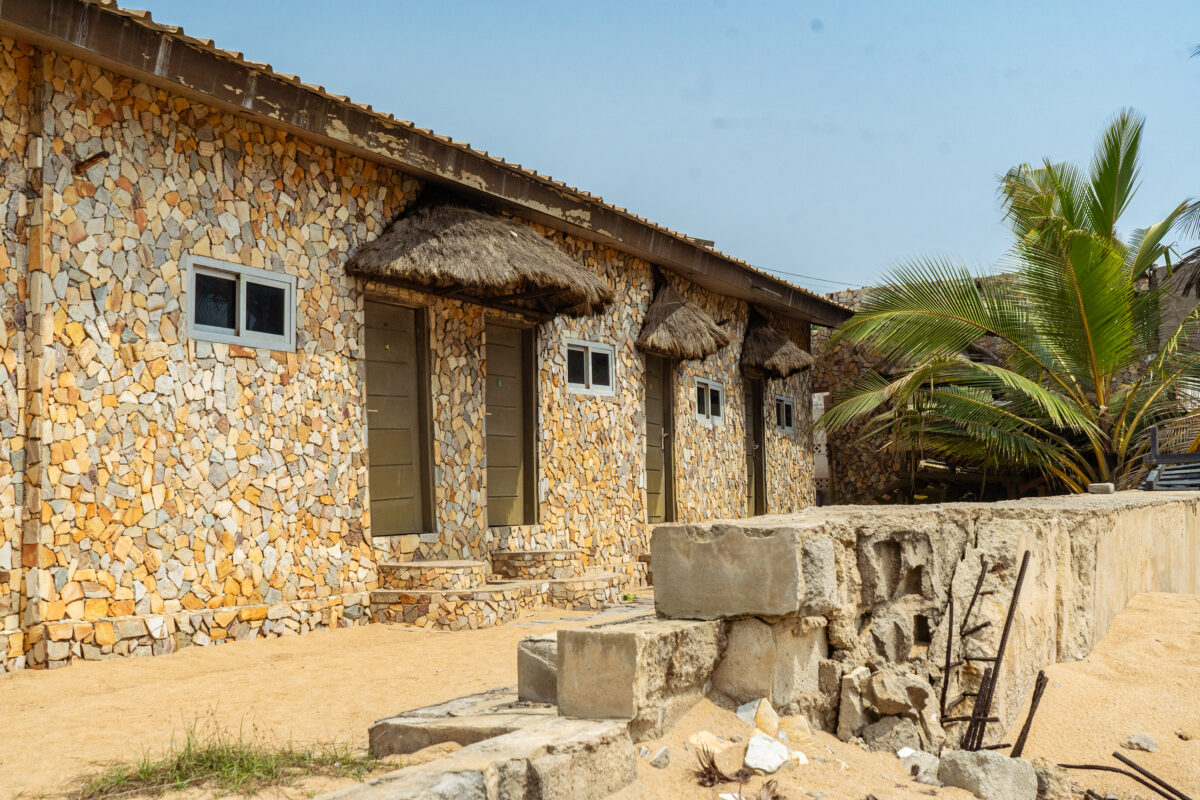
Decent health, dignity, and community vitality all begin with a safe place to call home and reliable basic infrastructure. Together, we build homes, communities, and hope.

Home at What Cost? Why Côte d’Ivoire’s Housing Challenge Is a Call to Act On

Home at What Cost? Why Côte d’Ivoire’s Housing Challenge Is a Call to Act On

Prepared by Lindsey Adjoa Assamouah Abotsi

At Habitat for Humanity, we know that dignity starts with a home. A house is much more than four walls and a roof—it is the secure foundation upon which health, education, economic stability, and family futures are built.

Yet, for millions of people worldwide, the path to a safe and affordable home has become an uphill battle.

Released today on World Habitat Day, Habitat for Humanity International’s landmark global study, Home at What Cost?, sheds light on the profound impact housing has on well-being and financial security across 30,000 respondents in 22 countries.

For Côte d’Ivoire, the findings are both a sobering wake-up call and a clear roadmap for action.

The Reality on the Ground: High Dissatisfaction, Urgent Needs

According to the report, 66% of respondents in Côte d’Ivoire reported being dissatisfied with their housing situation—the highest level recorded among all 22 countries surveyed globally, and nearly double the global average of 35%.

As Ivory Coast experiences rapid urban growth alongside escalating climate and environmental pressures, these numbers remind us that housing insecurity is not just a structural issue; it is a human one that touches every aspect of daily life:

The Financial Squeeze:

The Weight on Families:

The Power of Stability

Globally, 75% of people report cutting back on essential expenses just to afford housing costs, while nearly half state that a single unexpected expense could put their housing stability at risk..

58% of parents worry that high housing costs are actively limiting opportunities for their children, and 35% name housing as one of the greatest sources of stress in their lives.

Despite these pressures, 89% of respondents agree that safe, comfortable, and reliable housing is vital for supporting mental well-being.

Bridging Housing and Climate Resilience

Housing security and climate resilience are deeply interconnected. With nearly one-third of global respondents anticipating that extreme weather will make living conditions harder over the next three years—and 18% feeling unprotected from hazards like flooding—building climate-resilient homes has never been more urgent.

As highlighted by YAO Sény Jean-Jacques, National Director of Habitat for Humanity Côte d’Ivoire:

« The findings show that addressing housing challenges is not only about improving living conditions. It is about strengthening health, resilience, economic opportunity, and long-term development. »

From integrating Nature-Based Solutions along our coastlines to expanding access to affordable, climate-resilient housing, we must look beyond basic shelter to build communities that can withstand tomorrow’s challenges.

A Call to Action

On this World Habitat Day, Habitat for Humanity calls on governments, development partners, financial institutions, and private sector actors to work hand in hand to expand access to adequate, affordable, and resilient housing for all.

When we invest in housing, we invest in health, education, and prosperity.

Together, we build a better future. 

POSITION DE PLAIDOYERIE DU PROJET FOND D’ADAPTATION

POSITION DE PLAIDOYERIE DU PROJET "AMELIORATION DES COMMUNAUTES COTIERES EN COTE D'IVOIRE"
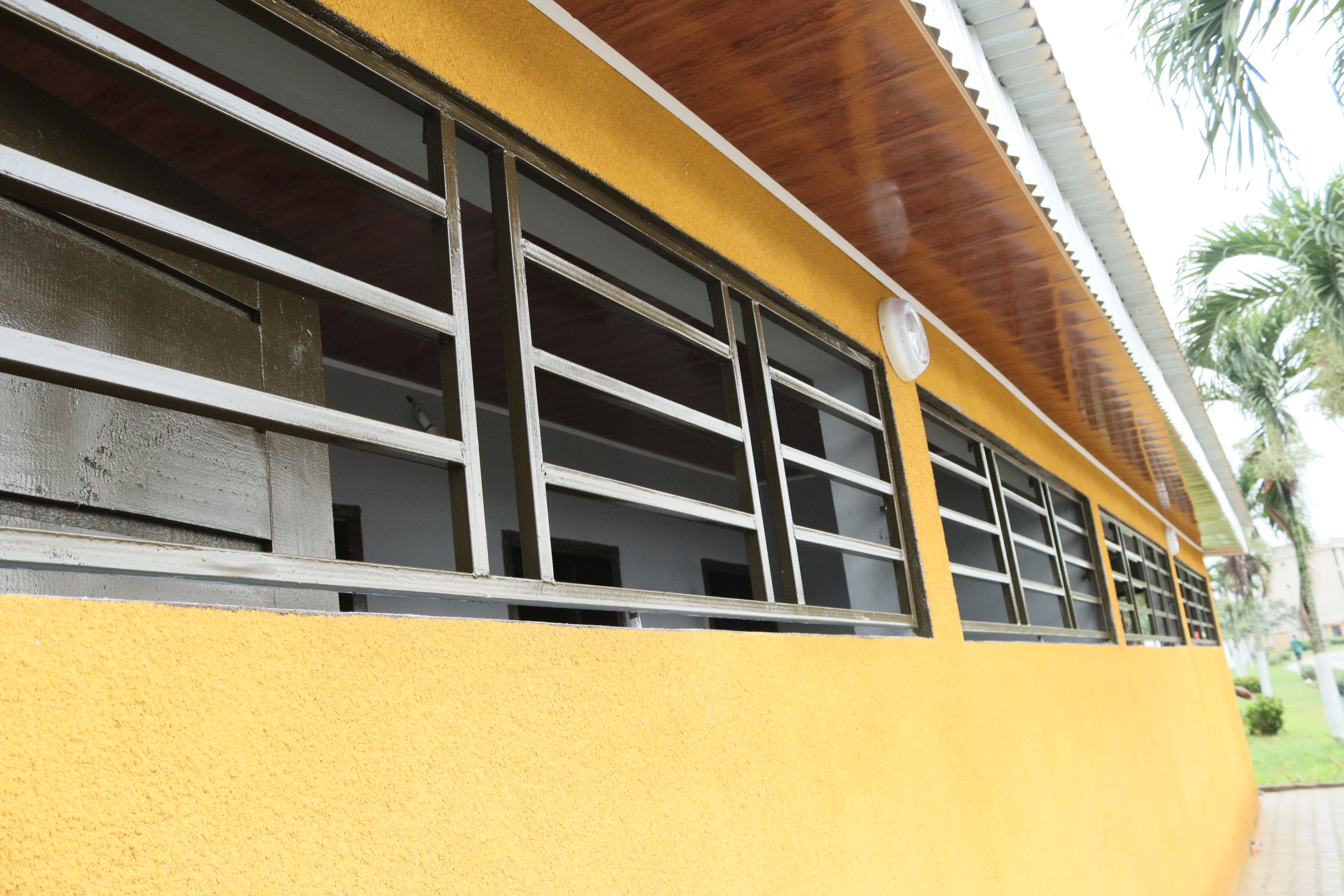
Faire de la restauration et de la gestion communautaire des mangroves un levier de résilience climatique des communautés côtières de Côte d’Ivoire.

Contexte

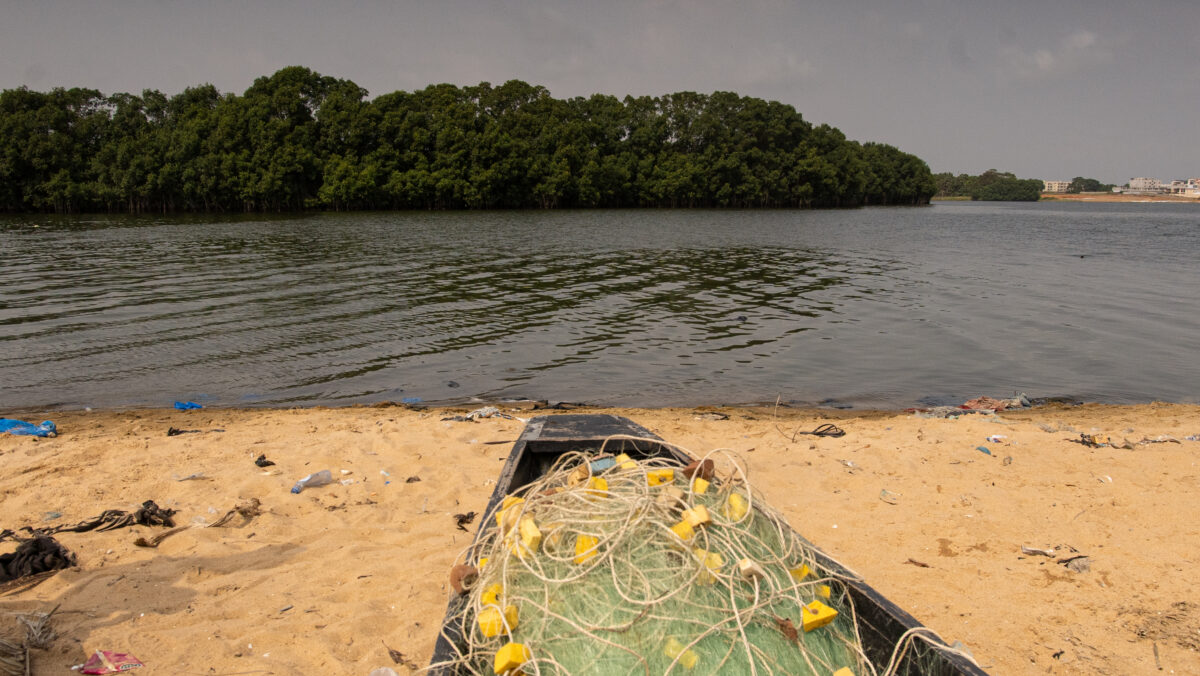
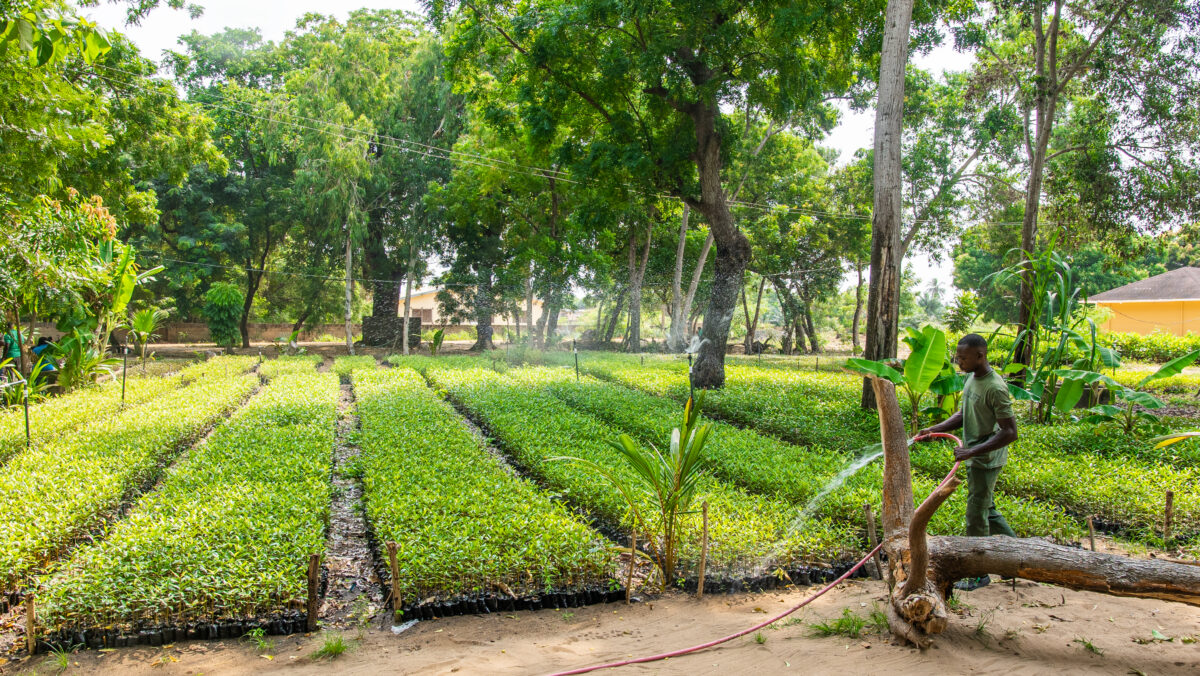
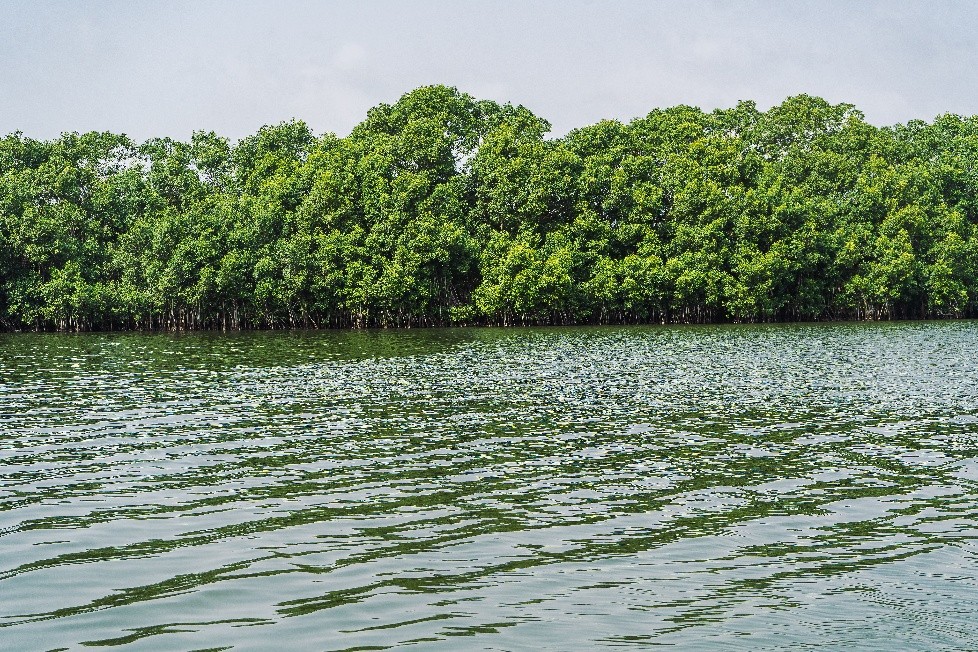
Habitat for Humanity Côte d’Ivoire (HFHCI), dans le cadre du projet « Amélioration de la résilience des communautés côtières en Côte d’Ivoire et au Ghana », contribue au renforcement de la résilience climatique des communautés côtières. À Grand-Bassam, l’intervention prévoit la restauration de 45 hectares de mangroves à Vitré 2, Azuretti et au Quartier France. Cette action s’inscrit dans l’axe consacré aux solutions fondées sur la nature et à la restauration des écosystèmes.

Les mangroves contribuent à la protection du littoral, à la biodiversité, à la séquestration du carbone et aux moyens de subsistance des populations côtières. Leur restauration ne peut toutefois être durable si elle se limite à la plantation. Elle doit associer pertinence technique, protection des zones restaurées, entretien dans le temps et appropriation par les communautés.

Notre position

HFHCI appelle à renforcer l’intégration de la restauration, de la protection et de la gestion communautaire durable des mangroves dans les politiques, plans et investissements de résilience climatique et d’aménagement des zones côtières, en reconnaissant les communautés locales comme des acteurs centraux de leur gestion et de leur pérennisation.

Recommandations de plaidoyer

  • Intégrer davantage la restauration et la protection des mangroves dans les plans locaux et nationaux de résilience climatique et de gestion des zones côtières.
  • Renforcer les mécanismes de gestion communautaire des zones restaurées, avec une participation effective des femmes, des jeunes, des autorités coutumières et des autres acteurs locaux.
  • Prévoir, au-delà de la plantation, des dispositifs durables de suivi, d’entretien, de remplacement des plants et de protection des sites restaurés.
  • Mobiliser des financements publics, privés et climatiques permettant de maintenir les acquis et d’étendre les approches efficaces à d’autres communautés côtières vulnérables.
  • Capitaliser les résultats, les données et les enseignements de la restauration des 45 hectares afin d’éclairer les décisions et les futurs investissements en solutions fondées sur la nature

Engagement de HFHCI

HFHCI continuera à mobiliser les communautés, documenter les enseignements de l’intervention, promouvoir la participation des groupes concernés et dialoguer avec les autorités et partenaires afin que la restauration des mangroves contribue durablement à la résilience des communautés côtières.

Appel à l’action

HFHCI invite les autorités publiques, collectivités, communautés, organisations de la société civile, partenaires techniques et financiers et acteurs du secteur privé à soutenir une approche de restauration des mangroves qui combine science, participation communautaire, protection durable et investissement à long terme.

45 hectares restaurés aujourd’hui doivent devenir des écosystèmes vivants, protégés et durablement gérés demain.

Ensemble, améliorons la résilience des conditions de vies des communautés côtières en Côte d’Ivoire

Contactez nous ici – hfhci@habitatci.org

Reclaiming Dignity at School: The Story of Emmanuella

Reclaiming Dignity at School: The Story of Emmanuella

Prepared by Lindsey Adjoa Assamouah Abotsi

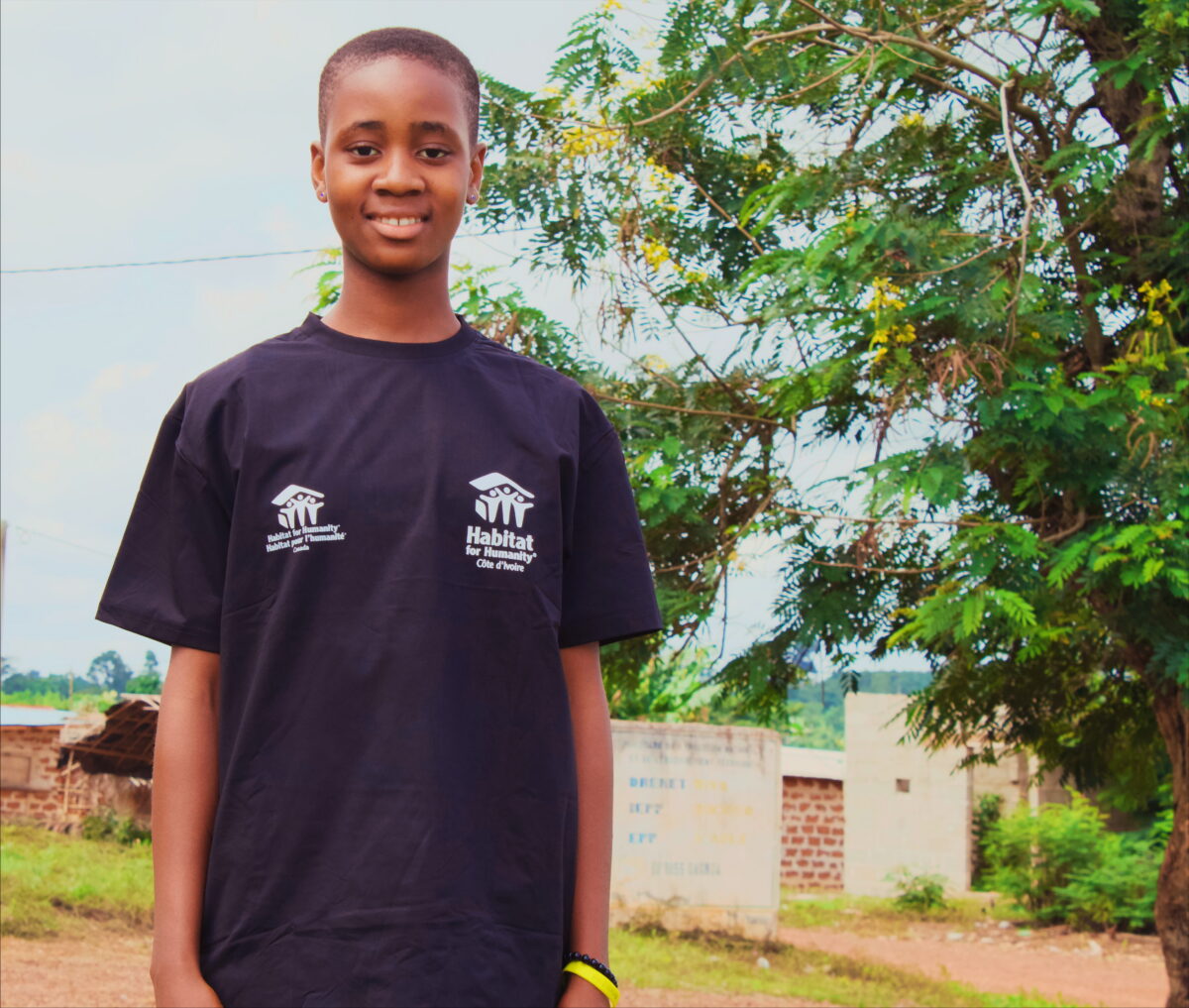
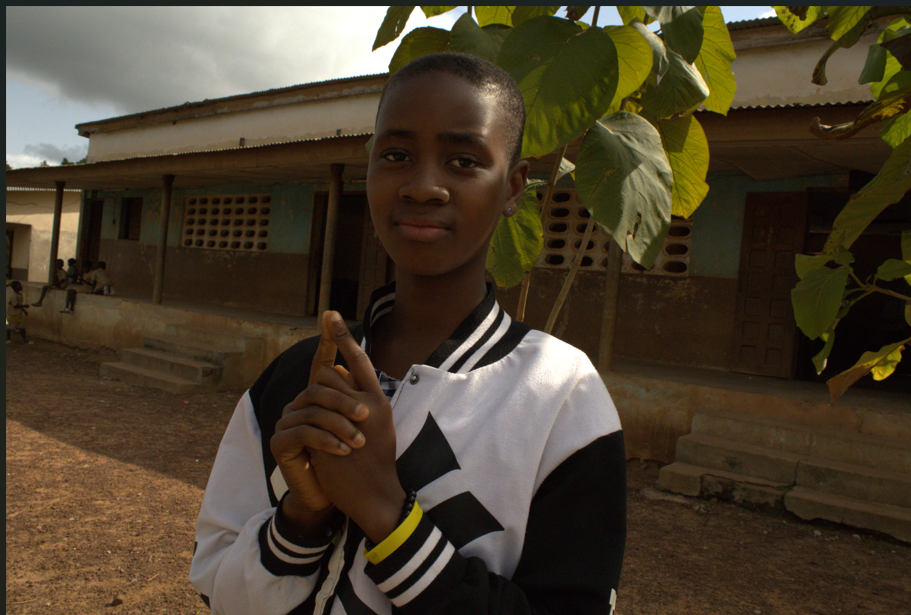
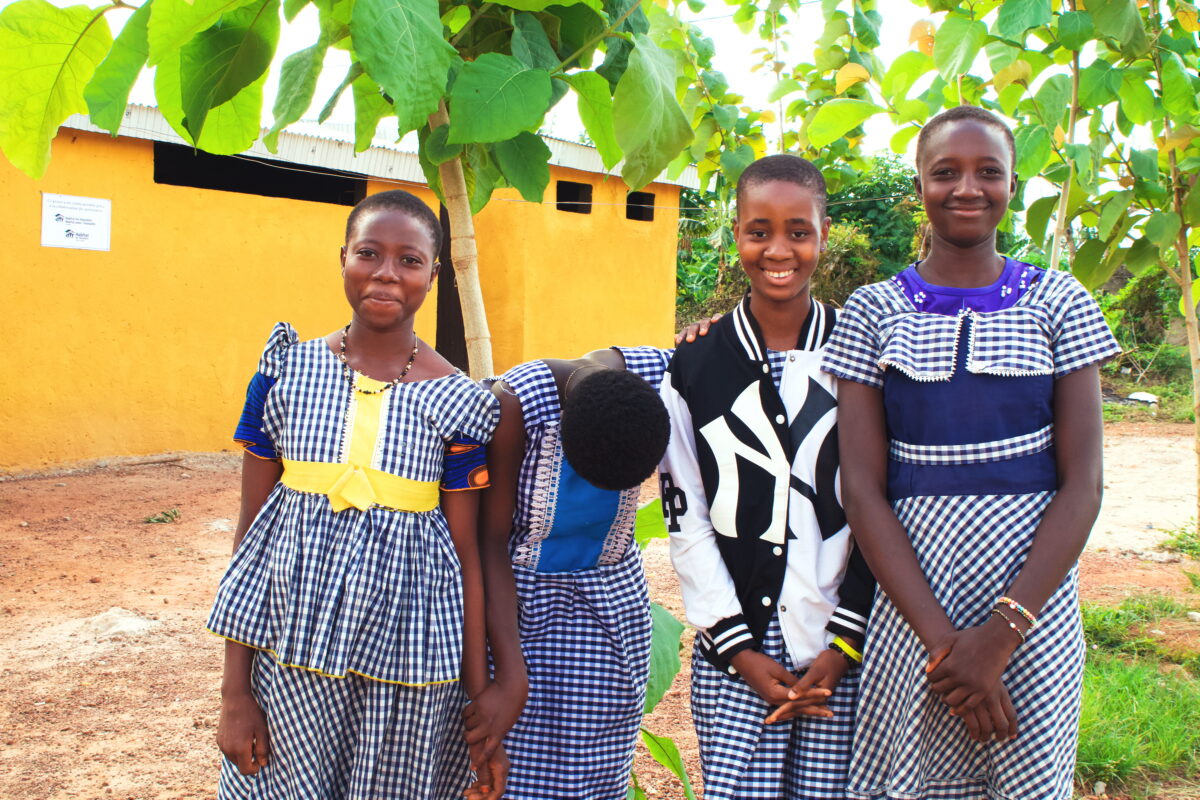
« My name is Emmanuella. I am 14 years old and a student at the secondary school in Niablé, located in the Lôh-Djiboua region.

Like every girl my age, I have big dreams. I want to study hard, stay focused in class, and make my family proud. But for a very long time, going to school meant facing a daily and invisible struggle—an ordeal that had nothing to do with my homework, but everything to do with my most fundamental dignity.

For a very long time at Niable, my school had neither functional latrines nor access to clean drinking water.

And whenvever my classmates and I needed to use the restroom, or when we were on our periods, we had no other choice than to go into the thick bush behind our classrooms. Honestly, this was a terrifying daily reality, because that bush was known to be the home to dangerous insects and venomous snakes, and every step through those tall grasses put our health and safety at risk. »

« During our periods, the humiliation was even greater. Without clean water or a private space, many girls preferred to stay home for an entire week every month to avoid the shame of soiling their clothes. When you miss a week of school every month, you fall behind. And little by little, our  dreams begin to fade—not from a lack of intelligence, but from a lack of protection. »

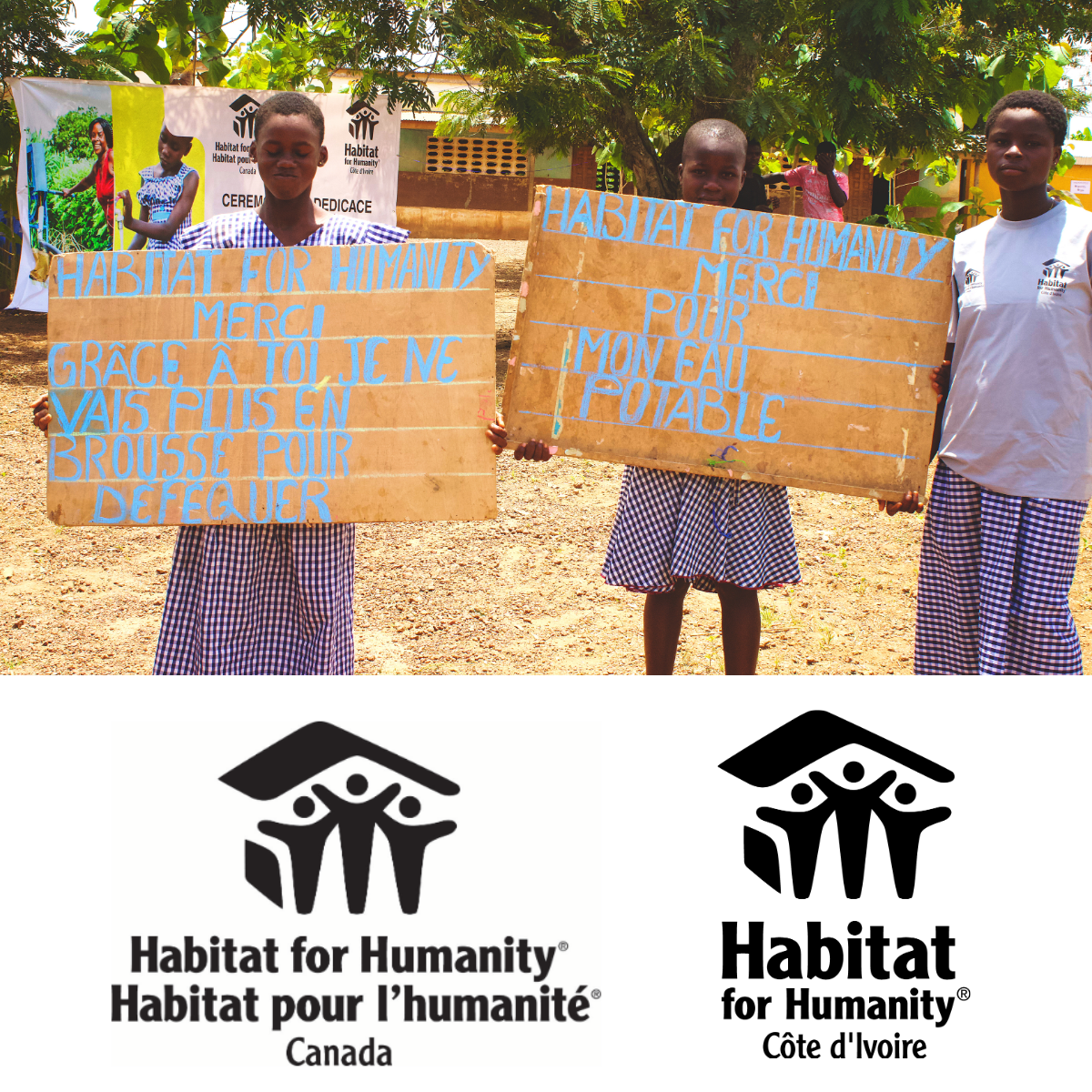
Fortunately, the community of Niablé decided to take action to put an end to this public suffering. By building a strong partnership between Habitat for Humanity Côte d’Ivoire, Habitat for Humanity Canada, and our local leaders, modern public latrines and clean water points were built right inside the community schools of Niablé during the second year of the project implimentation.

Notwithstanding, Menstrual Hygiene Management (MHM) training workshops were also organized, with the help of community teachers and HFHCI staff, to equip the students with the knowledge and confidence to manage their health and lives properly.


“Before, we had to go to the bush, where there are snakes and dangerous insects,” shared Emmanuella, giggling with her friends; “Today, we no longer have to do that, because we now have public latrines and clean water.”

Access to clean water and private, secure sanitation facilities gave Emmanuella and her friends more than just infrastructure—it restored their dignity.

Today, they can manage their hygiene with complete confidence, stay in class without fear, and focus fully on their studies.

The fear that once hung over their schoolyard has vanished.

« Seeing people we know and those we do not know work together with our community to build these facilities has completely changed how I view my future. It made me realize that my education matters, and that my health and safety deserve to be protected. Beyond just transforming our school environment, this experience has sparked a deep passion within me, inspiring my future career path to advocate for community development and health so that one day, I too can grow up and build a better future for others in my community and my country. »

To you reading Emmanuella’s story, your donations do not just transform communities; they transform the thoughts and ideas of the people who live in them.

Whenever you give or partner with us you create life-changing impacts, empowering youth – young girls, to stay in school and dream without limits.

So please continue to support our programs. Together, let’s open the door to hygiene, dignity, and a better future.

Sharing starts with a home.

Together, let us build hope and stability

Building Health and Hope: Habitat for Humanity Côte d’Ivoire Launches Year 3 of the Canada Project in Godou

Prepared by Lindsey Assamouah Abotsi

Building Health, Hope, and Hygiene: Habitat for Humanity Côte d’Ivoire Opens the Door to Year 3 of the Canada Project in Godou

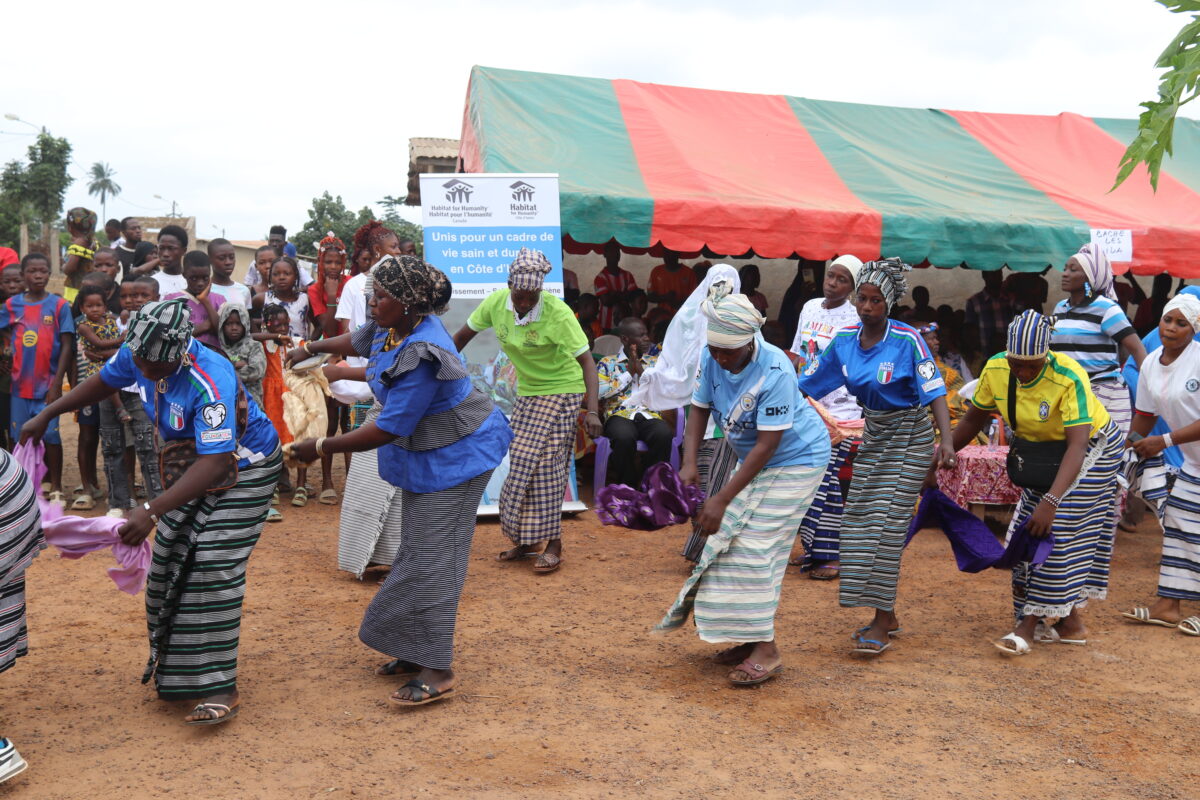
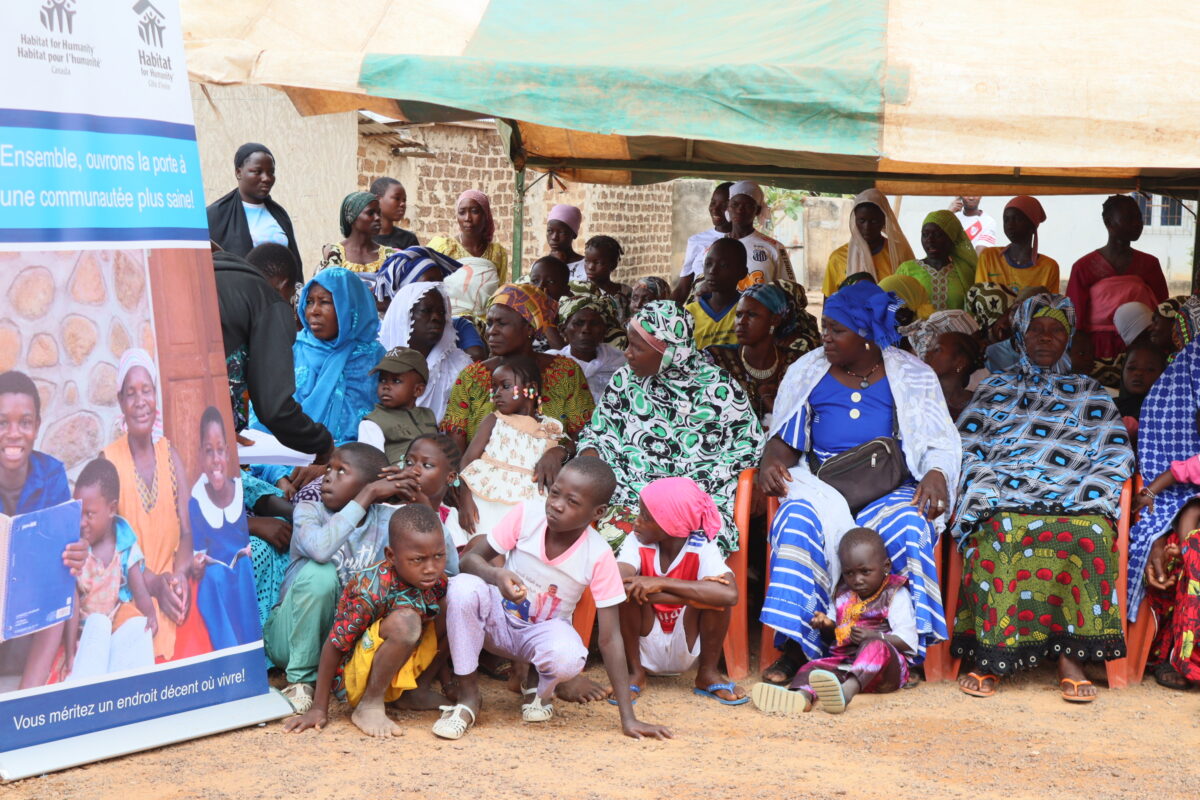
GODOU, Côte d’Ivoire — In the rural heart of the Lôh-Djiboua region, a shared vision for community health and sustainable development took root as 645 residents gathered under festive banners for a landmark celebration. On August 27th, 2026, the community of Godou officially opened the door to the third year of a transformative life and healthy community – the provisionary build of clean water, sanitation, and hygiene –  (WASH) initiative, backed by Habitat for Humanity Canada and implemented by Habitat for Humanity Côte d’Ivoire (HFHCI)

For decades, Habitat for Humanity Côte d’Ivoire has worked alongside communities across the country to address the housing deficit, promote access to decent and affordable housing, and improve access to safe water and sanitation.


Through its latest three-year initiative, the organization is strengthening water, sanitation and hygiene (WASH) infrastructure in rural and cocoa-producing communities. Thus far, 6 high schools have each been equipped with a public latrine and a water borehole, while 2 out of 3 WASH awareness activities have been conducted across nine villages. The initiative also seeks to provide a  capacity-building and health education to 2500 community members and train 1800 students on hygiene practices, as of now 1986 community members in diverse sectors have been trained and 1200 students have been trained on hygiene practices. These trainings have  equipped the community members of Loh-Djiboua with knowledge and behaviors that can contribute to healthier and more resilient communities.

Building on these efforts, the initiative continues to focus on cocoa-producing families and rural households, investing in resilient water infrastructure and sanitary facilities in schools while empowering students and community members with the knowledge and skills needed to adopt critical health and hygiene practices.

The launch event in Godou reflected the deep community-wide ownership of these goals, drawing an impressive crowd of 529 adults and 116 children. Highlighting the profound, multi-generational impact of these efforts, Jean-Jacques Yao, National Director of Habitat for Humanity Côte d’Ivoire, emphasized the organization’s core mission during the celebrations: 

« This milestone represents our unwavering commitment to placing families and local communities at the center of development. By addressing critical needs in water, hygiene, and sanitation hand-in-hand with our partners and local authorities, we are laying the groundwork for healthier, more resilient futures where every child and parent can thrive with dignity. »

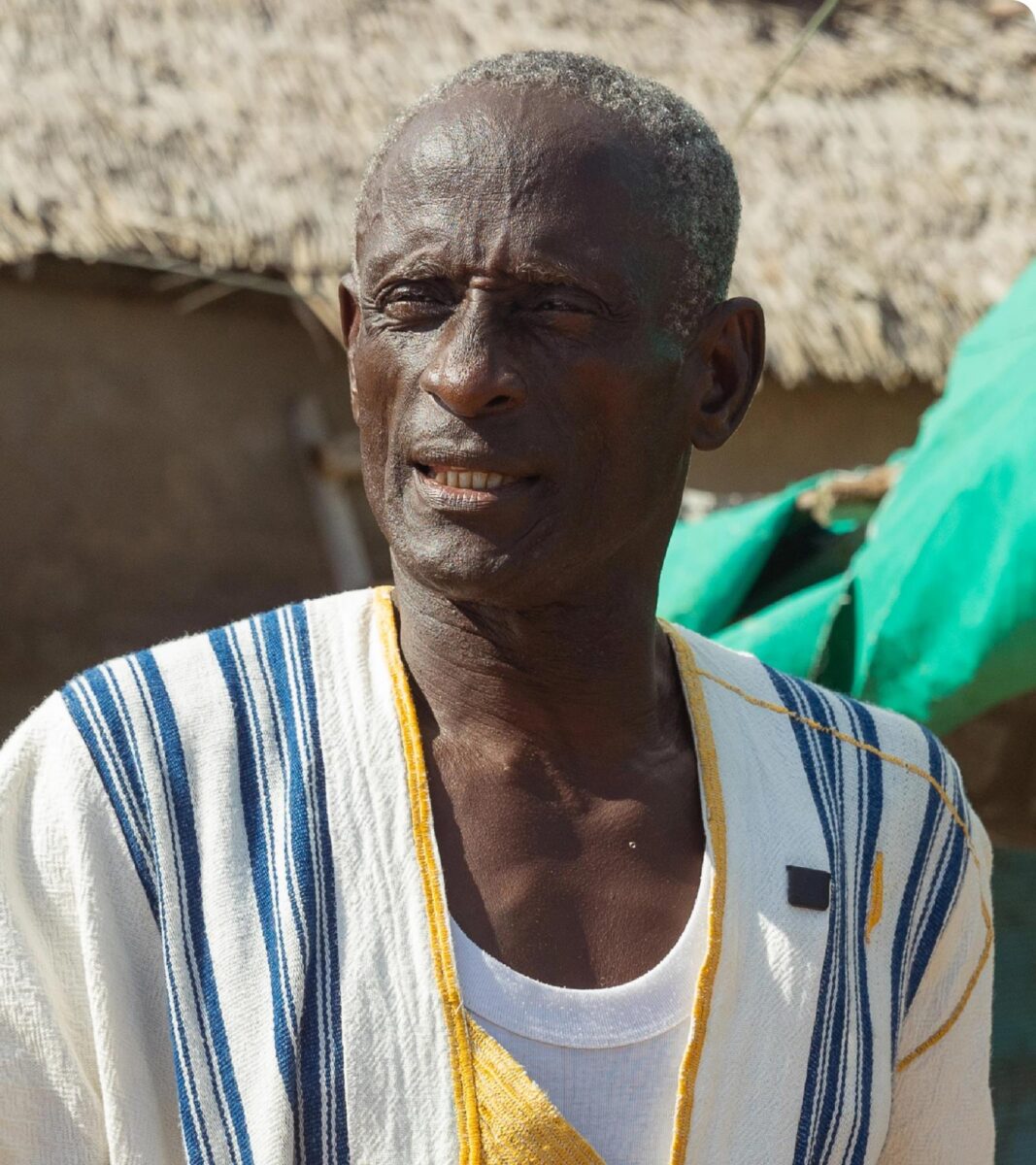
Local voices echoed this sense of optimism. « It brings me joy to see my village working hand in hand with Habitat for Humanity. Thanks to this partnership, the younger generation will finally have safe and proper public latrines to use. » shared local resident, Sankara Moussa.

With strong administrative backing, traditional leadership, and active community participation, the successful rollout in Godou heralds a vibrant new chapter of health, education, and sustainable growth for the Lôh-Djiboua region.