When Hope Takes Root: How Living Buffers Are Shielding Coastal Homes in Jacqueville
Prepared by Lindsey Assamouah Abotsi
At Habitat for Humanity, we know that a house is only as safe as the ground beneath it. When shoreline erosion washes away a foundation, a family’s right to health, security, and dignity vanishes along with it.
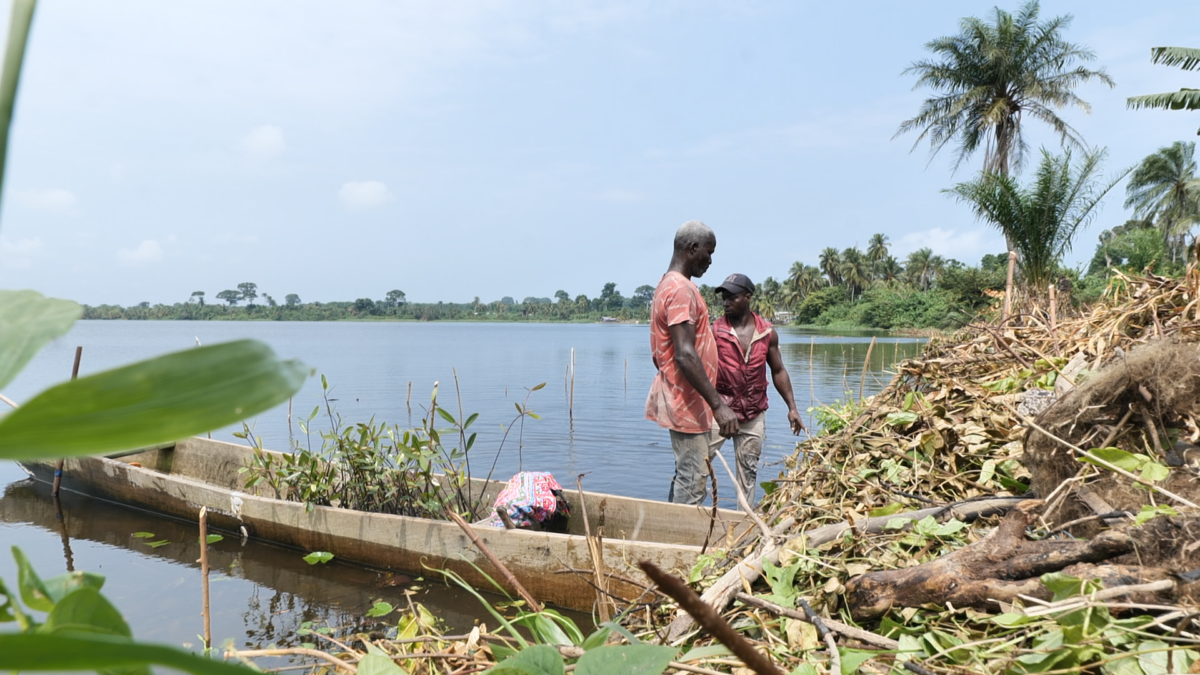
In the coastal village of Jacqueville, nestled along the southern waters of Côte d’Ivoire, housing has always been deeply entwined with the lagoon. But as climate disruption accelerates across West Africa, rising waters are turning once-vibrant shorelines into zones of extreme vulnerability—testing the structural integrity of homes and the resilience of families who inhabit them.
There was a time when the lagoon knew its boundaries. Elder residents still remember when children played safely along wide stretches of dry sand, far from the thresholds of their family homes.
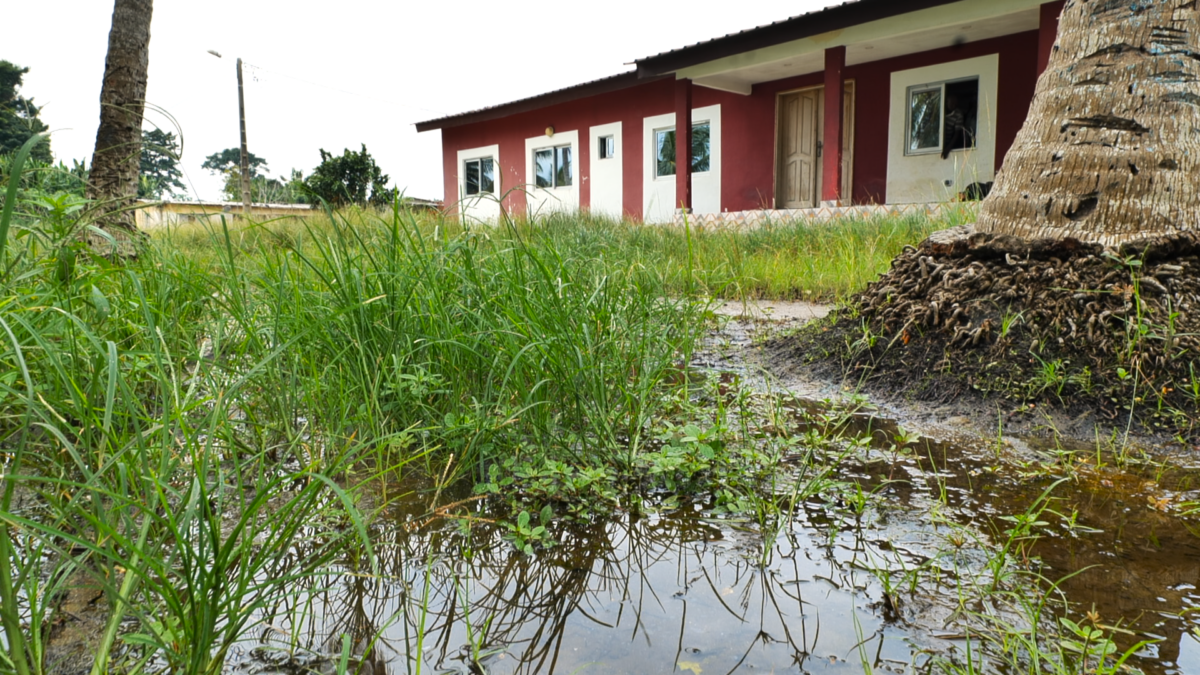
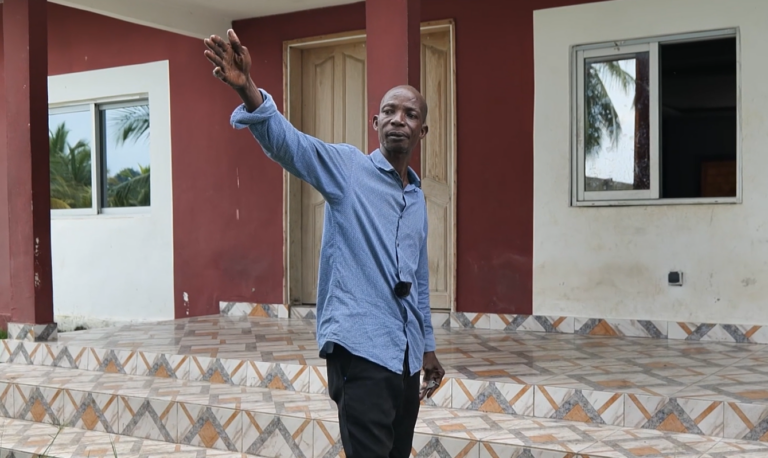
“During my parents’ time, there was a little beach by the sea,” recalls N’Guessan Jean Marie Segui, standing outside his family’s coastal residence. “Before, we used to walk to go swimming. Now, it’s the water that comes to swim in our house.”
What was once a landscape of stability for previous generations has steadily eroded. Under the force of recurring storm surges and rising water levels, the riverbanks are receding inexorably—bringing the shoreline directly to the doorsteps of the community.
A home should be a place to settle, build a family, make memories, decorate, or build a future. But when water routinely threatens a structure, daily survival replaces long-term family planning.
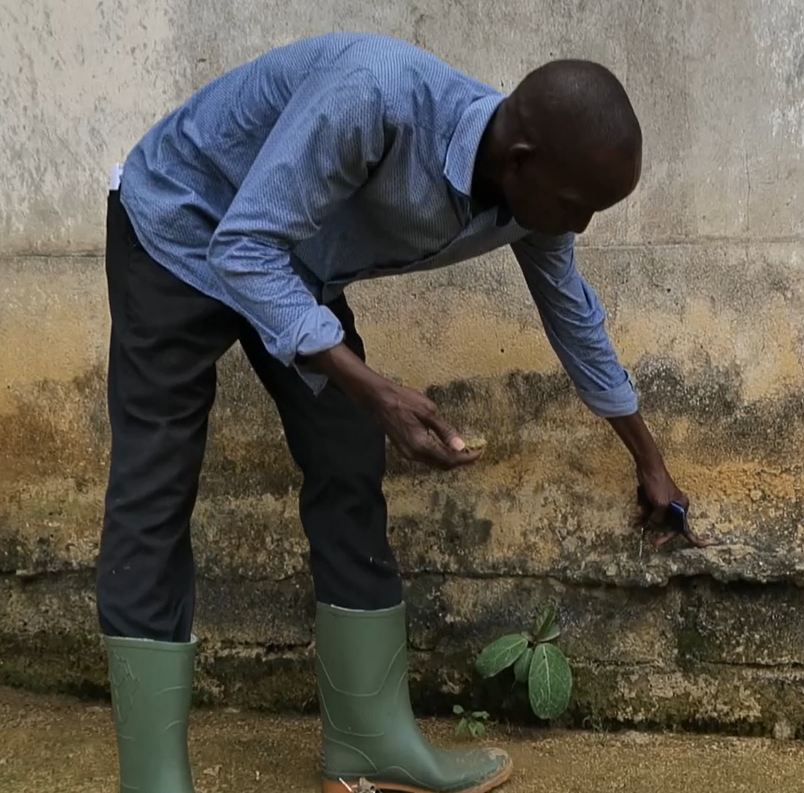
In coastal communities such as Jacqueville or Grand Bassam, housing insecurity reveals itself not all at once, but brick by brick. Under the constant dampness and wave pressure, masonry foundations weaken, plaster peels away, and deep cracks spiderweb across exterior walls. Families find themselves trapped in a tiring cycle of constant repairs—patching up structural damage without ever having the freedom to fully furnish or settle into their space.
This constant fear shifts « coastal erosion » from an abstract climate term into a deeply personal human toll: the lingering ache of never truly feeling safe inside one’s own walls.
The impact of housing vulnerability extends beyond individual doorsteps to the shared heart of the community.
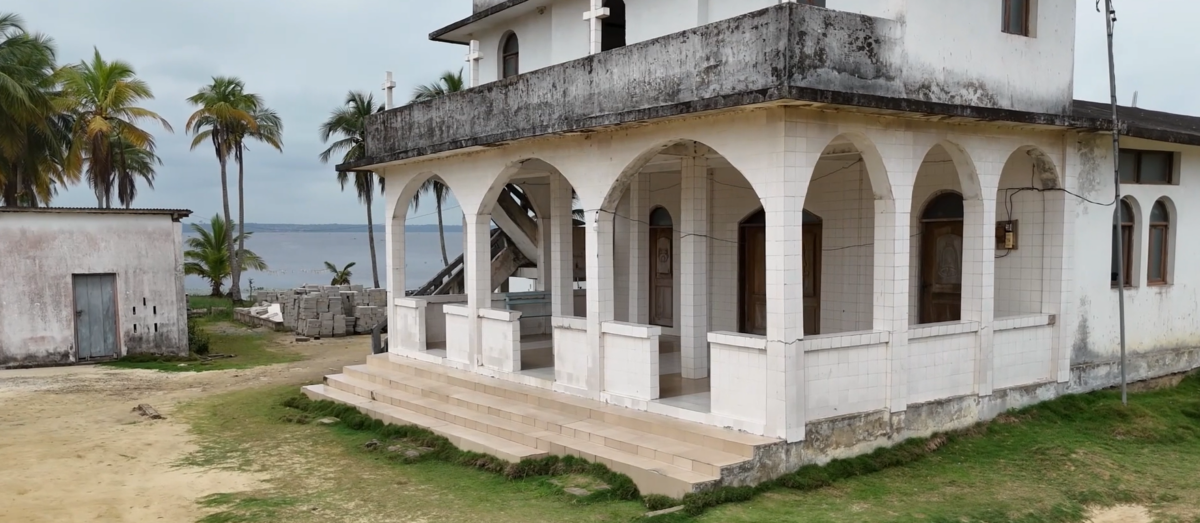
In locations such as Attoutou B, Tiemen, or Tefredi, located in the coastal lane of Jacqueville, local churches and community structures have long served as sanctuaries of peace.
Yet, during heavy tropical downpours, as the lagoon approaches their physical foundations, anxiety ripples through these entire villages.
Leaving one to discover that when the places built to unite and protect people are threatened by floodwaters, the collective security of the community iinstantly shakes.
Where traditional, high-cost concrete sea walls often prove temporary or ecologically damaging, a living, self-sustaining answer is taking root: Nature-Based Solutions (NbS).
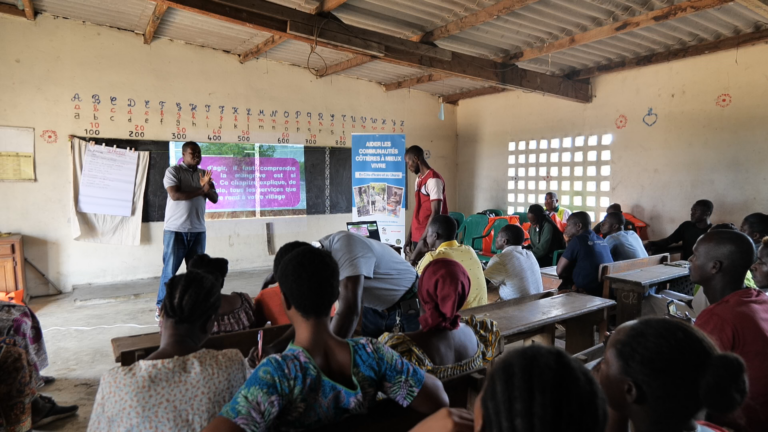
Through community workshops led by Habitat for Humanity Côte d’Ivoire in partnership with UN-Habitat, the Adaptation Fund, the Abidjan Convention, and local technical partners, the residents of Jacqueville gathered to explore a different way forward. The turning point arrived when community members realized that the mangrove trees fringing their waterways were not merely wild vegetation, but a powerful, natural shield for their homes.
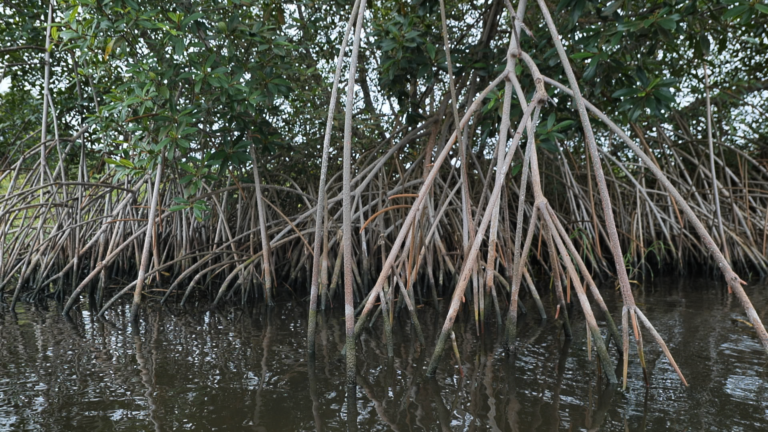
With their dense, interlocking root networks, native mangroves trap sediment, absorb harsh wave energy, and slow shoreline loss—serving as living sea walls that protect the soil beneath homes while restoring marine habitats for local fishing families.
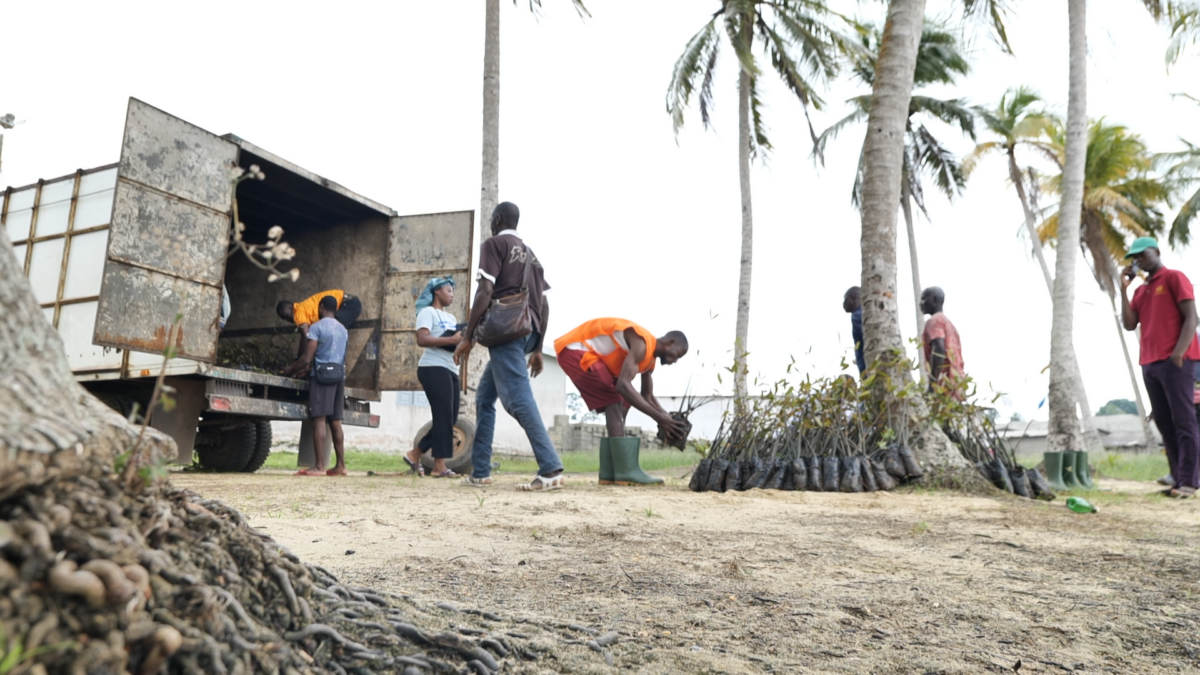
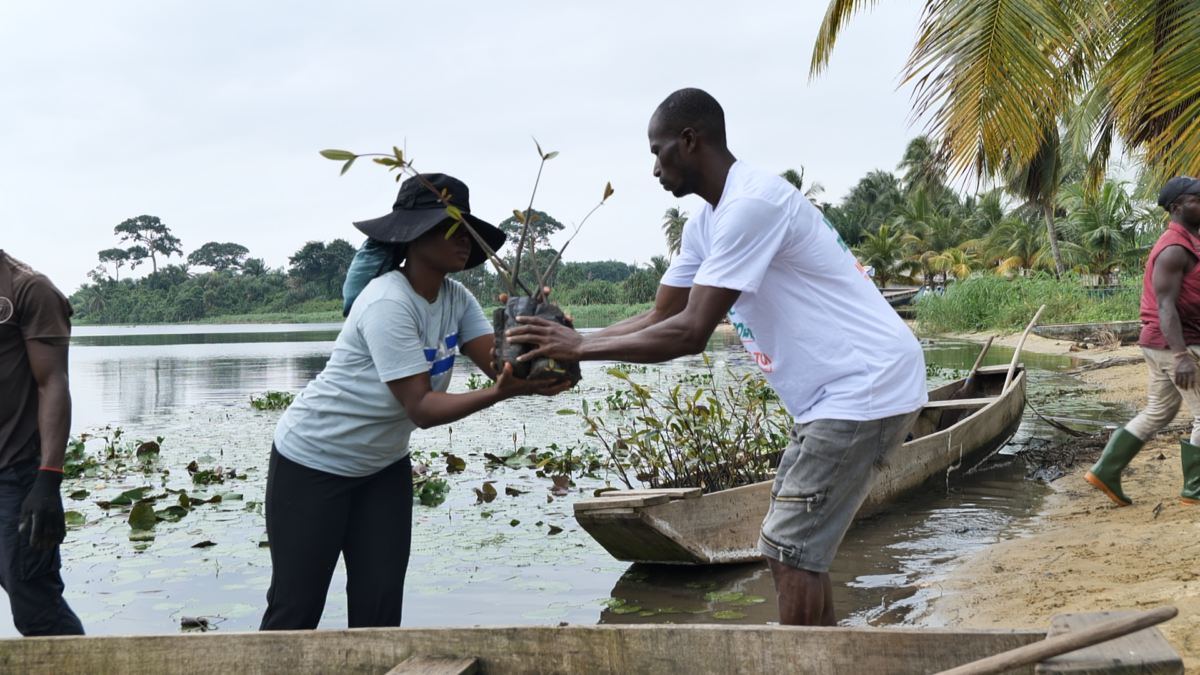
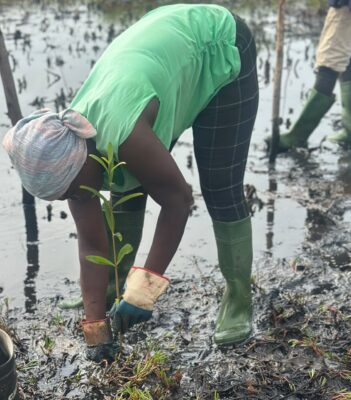
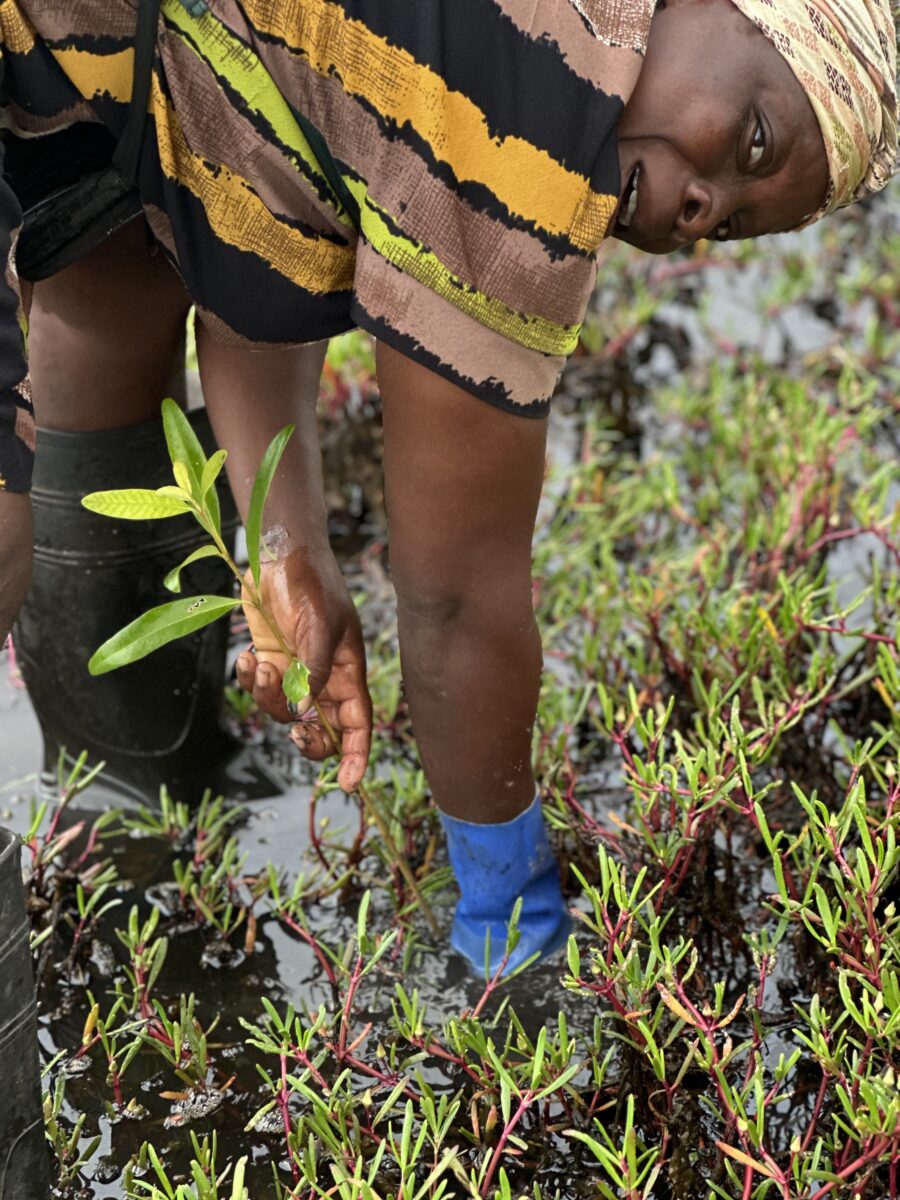
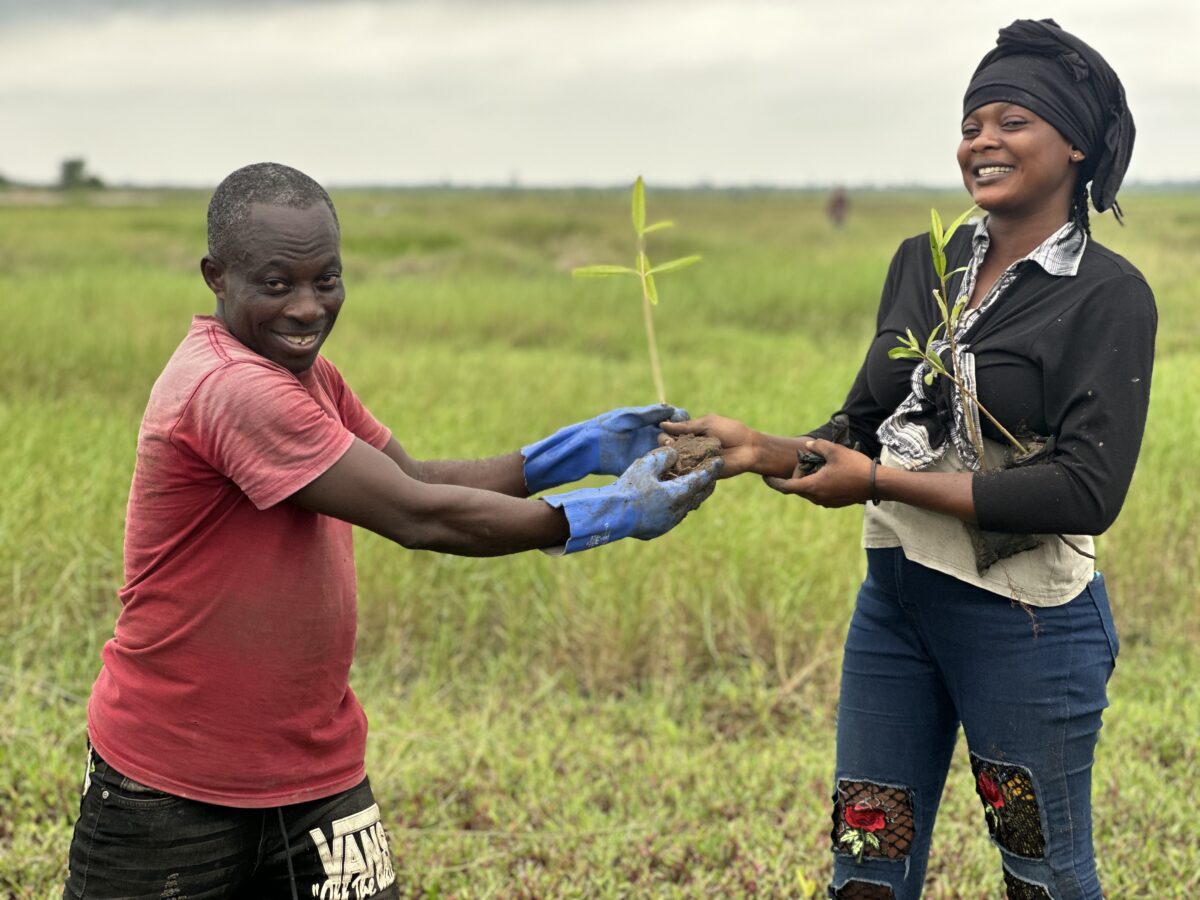
Today, the people of coastal communities at Jacqueville are taking the protection of their village into their own hands. Local residents gather propagules, tend to young saplings in community-managed nurseries, and work shoulder-to-shoulder along the water’s edge to plant new mangrove buffers.
As their hands place green mangrove sprouts into the rich, muddy soil along the lagoon, they are doing far more than restoring ecosystems across Jacqueville or Grand-Bassam. They are anchoring their homes, protecting their children’s path to school, and planting a permanent foundation for dignity and peace of mind.
A secure home begins with a protected environment. Together, through partnership and active community stewardship, we are turning climate anxiety into lasting resilience—one living root at a time.
Help us pass the plant and open more doors of resilience to the coastal communities in Cote D’Ivoire and Ghana.