Prepared by Lindsey Adjoa Assamouah Abotsi
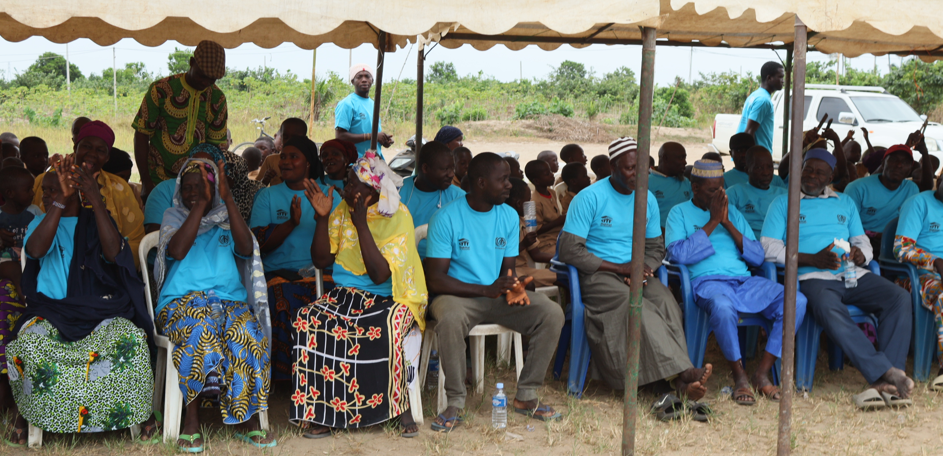
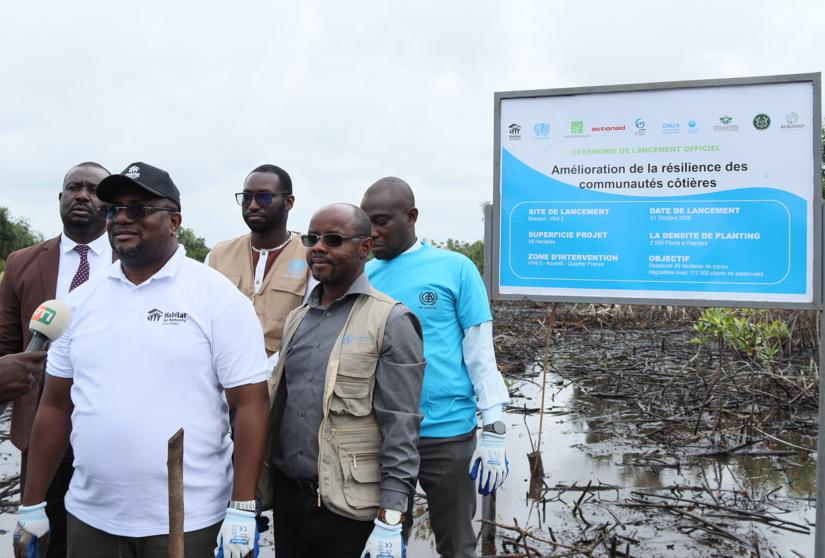
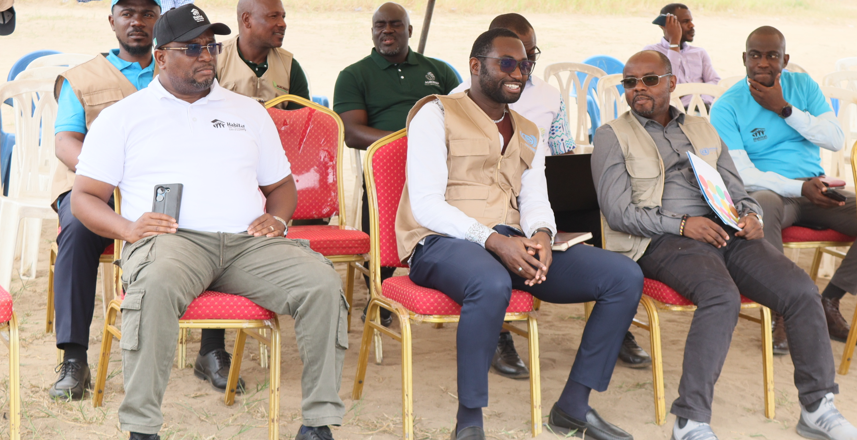
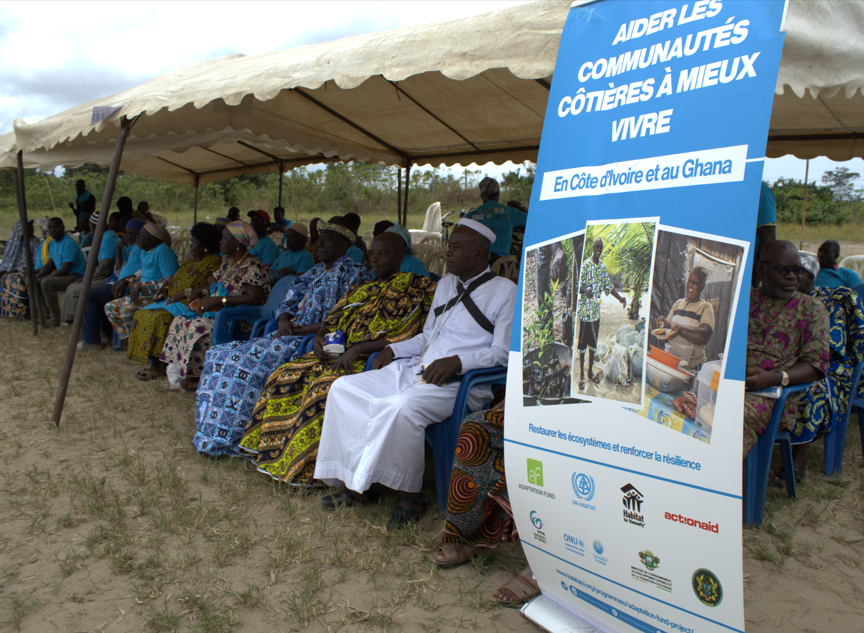
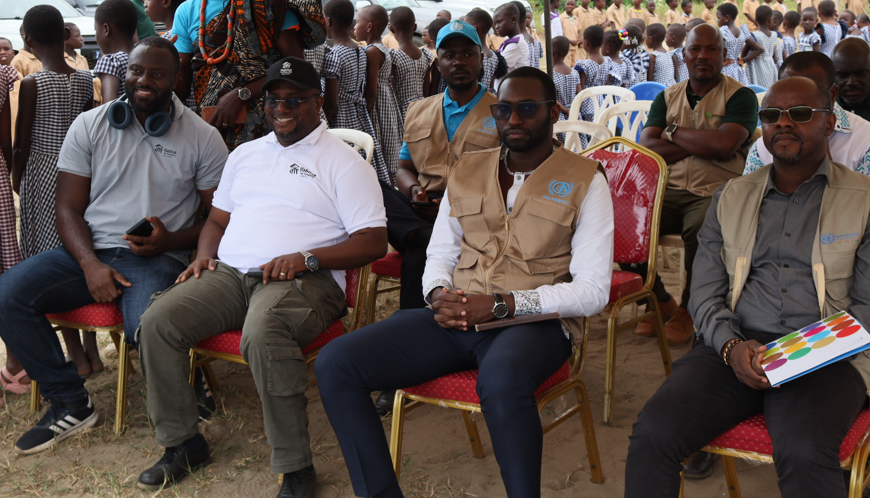
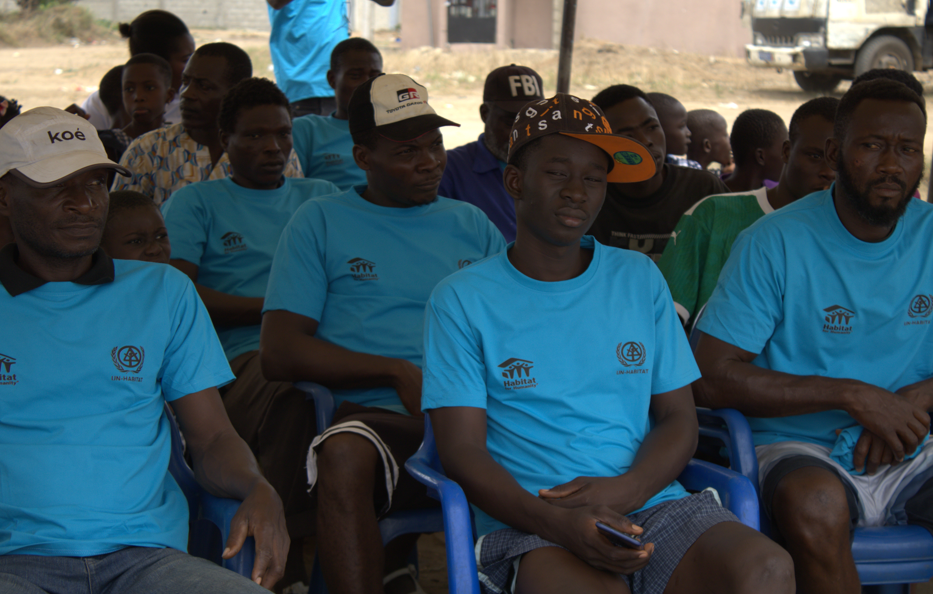
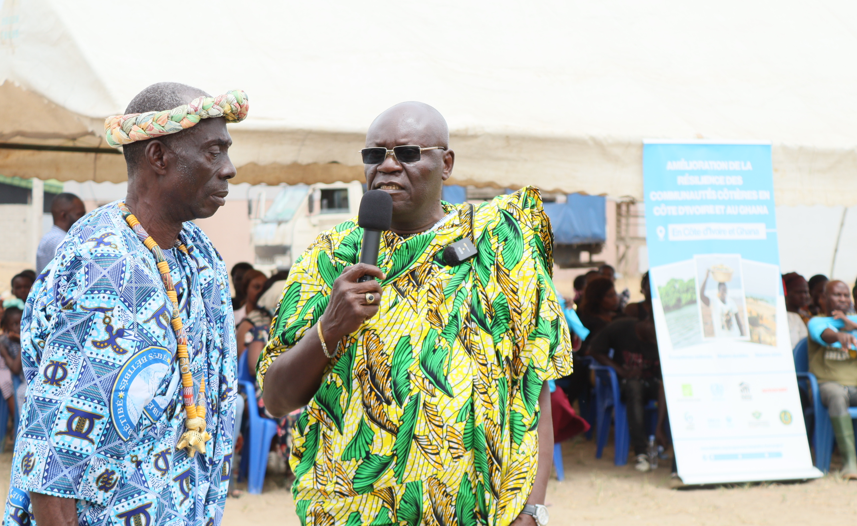
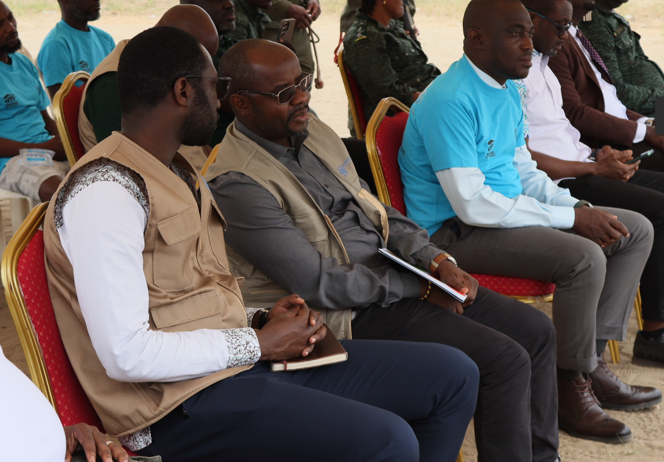
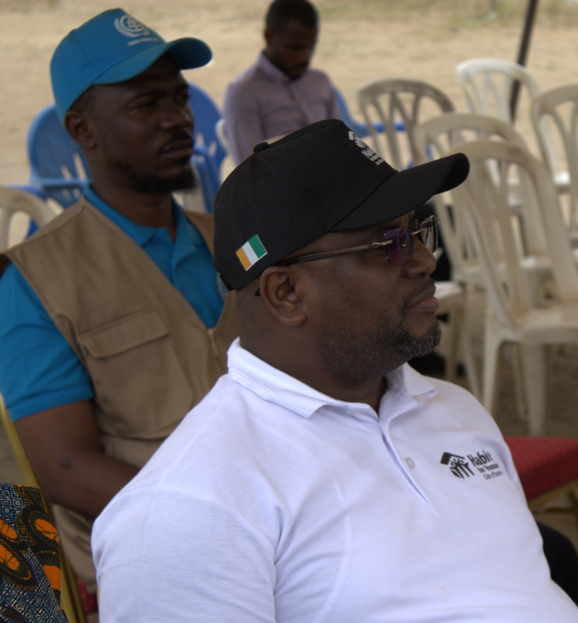
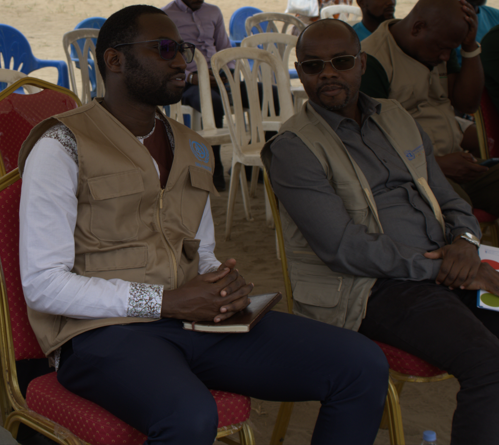
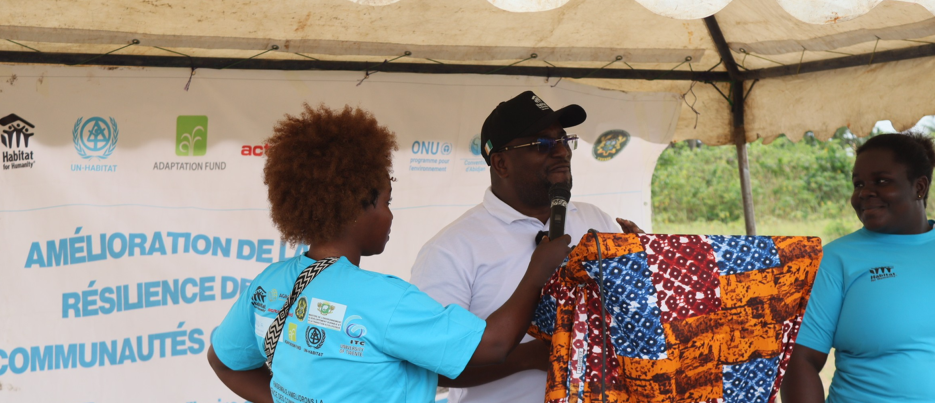
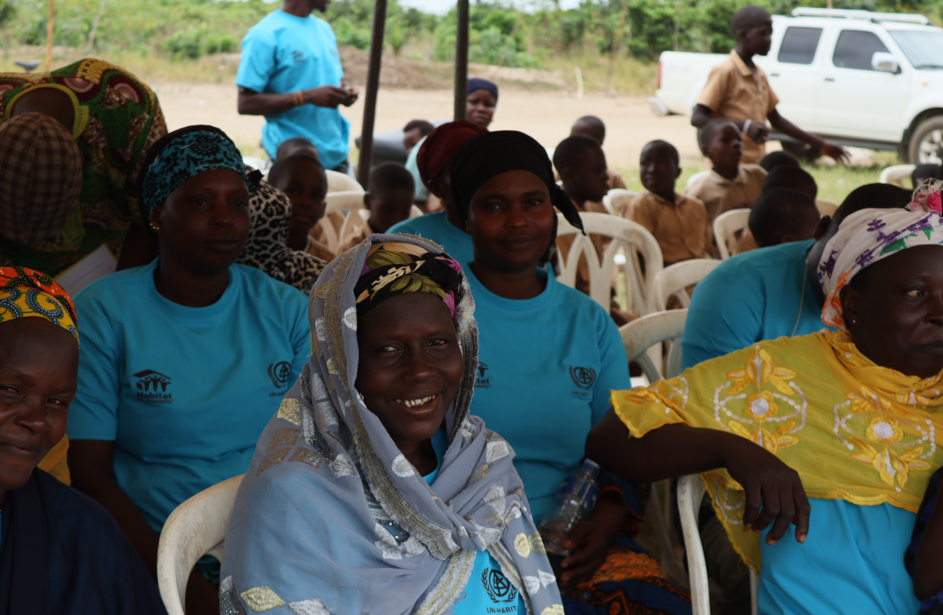
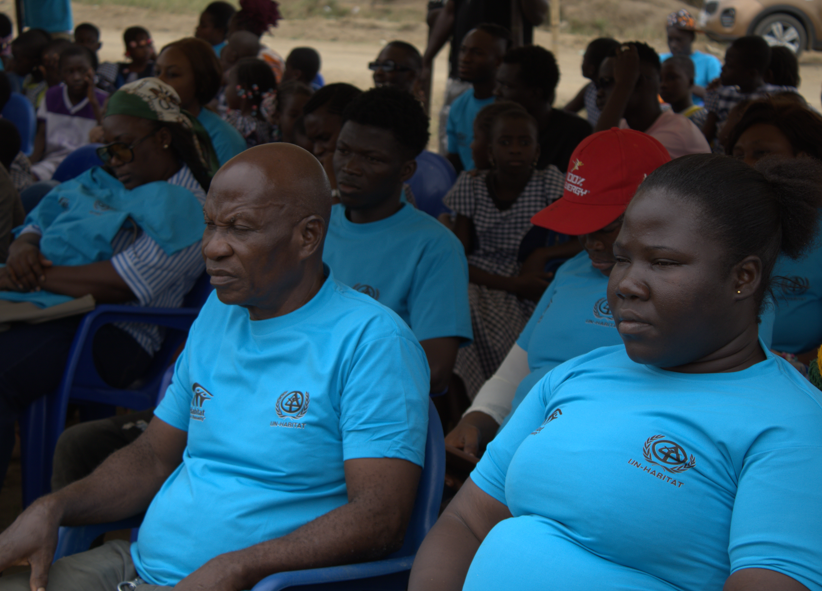
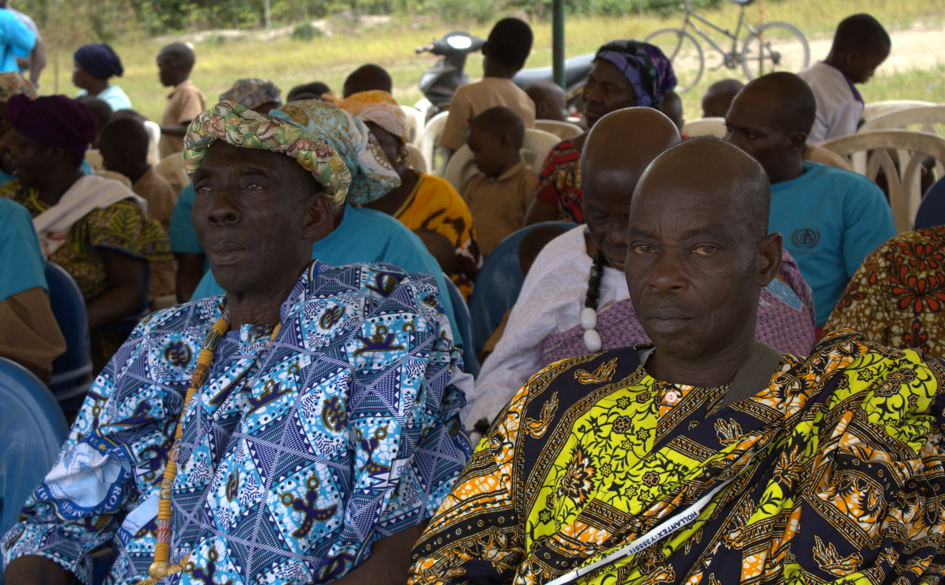
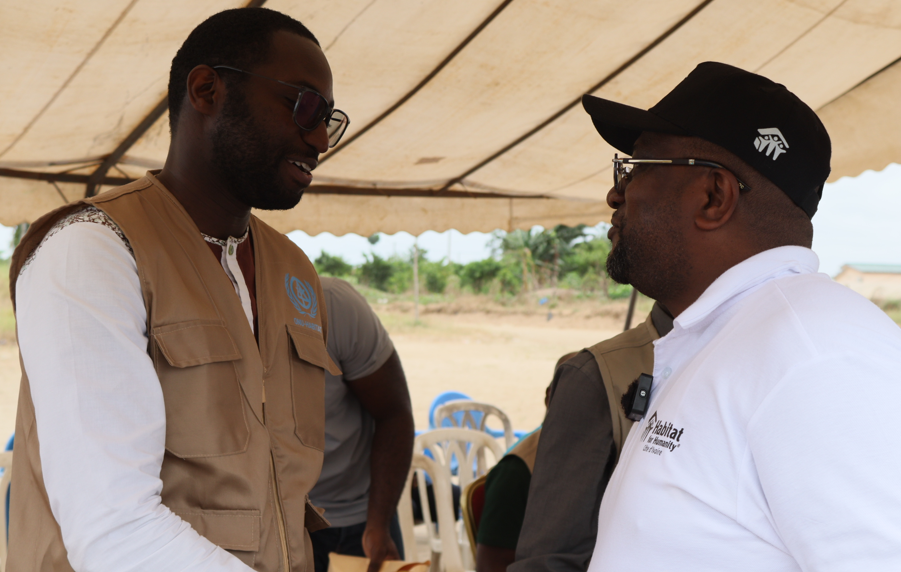
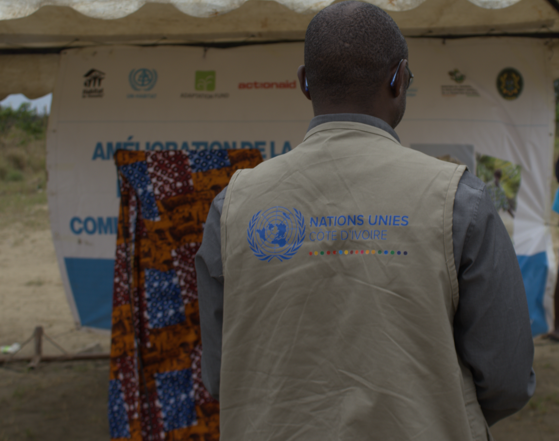
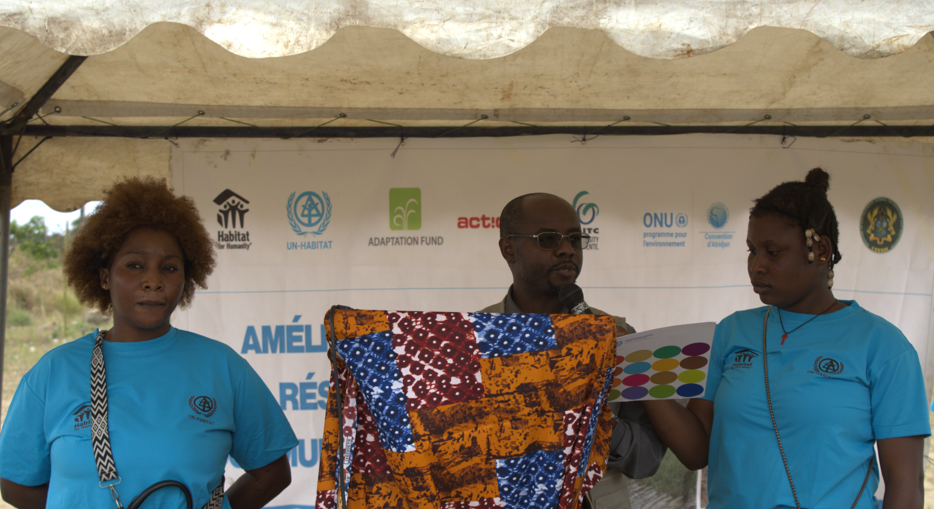
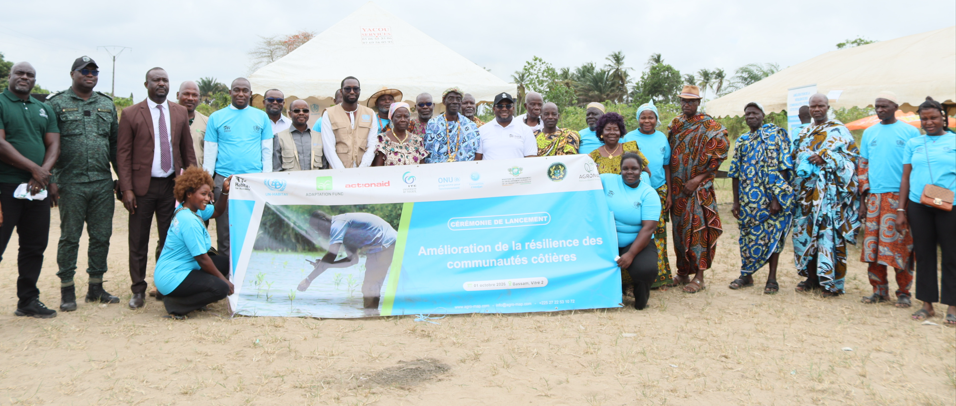
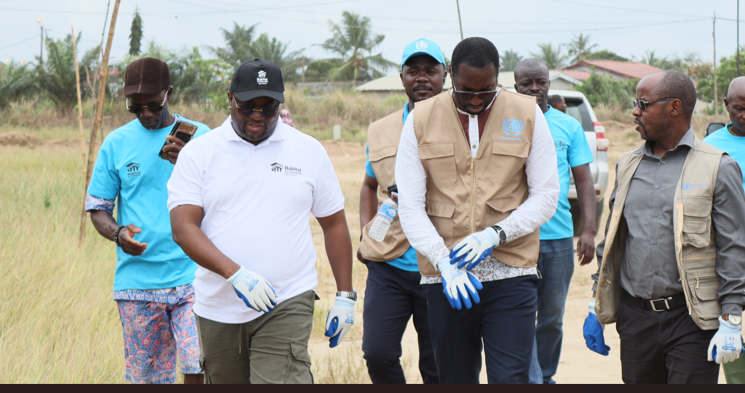
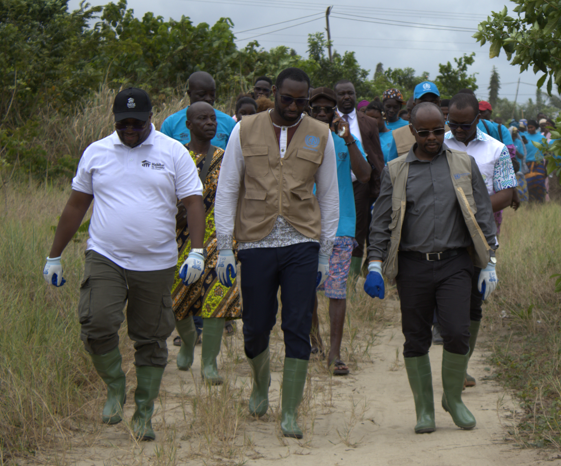
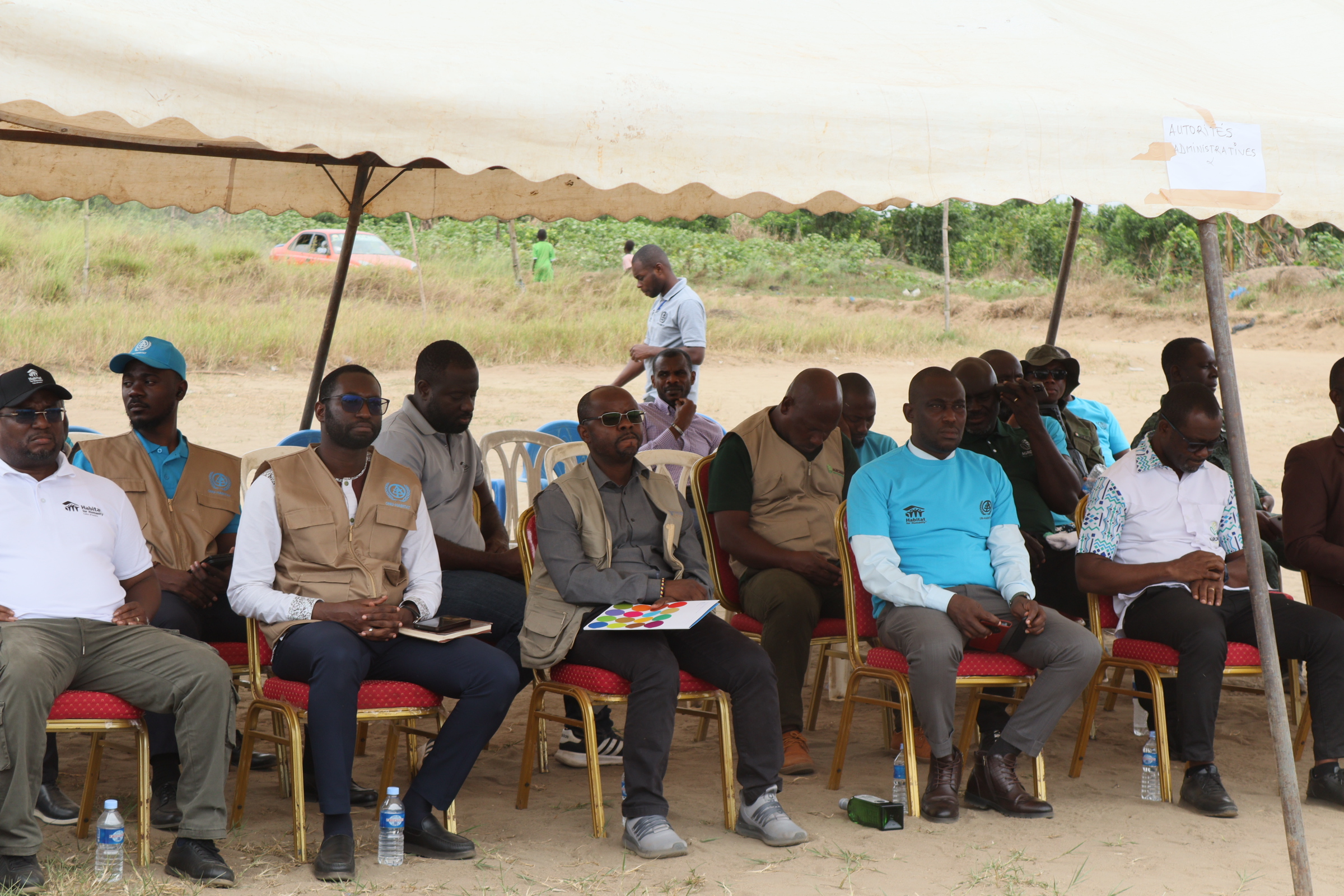
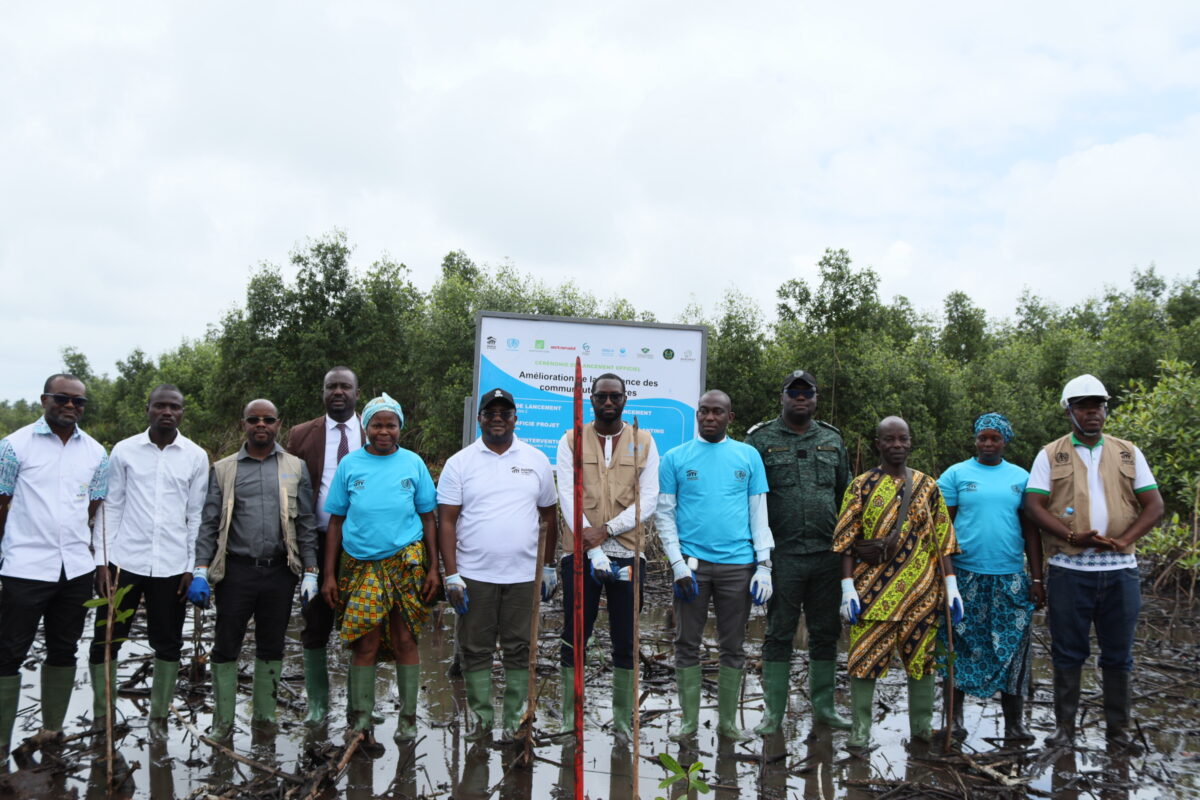
On 1 October 2026, the village of Vitré 2 in Grand-Bassam brought together 135 participants, including government officials, Habitat for Humanity, United Nations representatives, local authorities, technical partners and community members, to launch a major mangrove restoration campaign aimed at strengthening climate resilience along Côte d’Ivoire’s coastline.
The campaign forms part of the project Improving the Resilience of Coastal Communities in Côte d’Ivoire and Ghana, funded by the Adaptation Fund, implemented by UN-Habitat and executed in Côte d’Ivoire by Habitat for Humanity International.
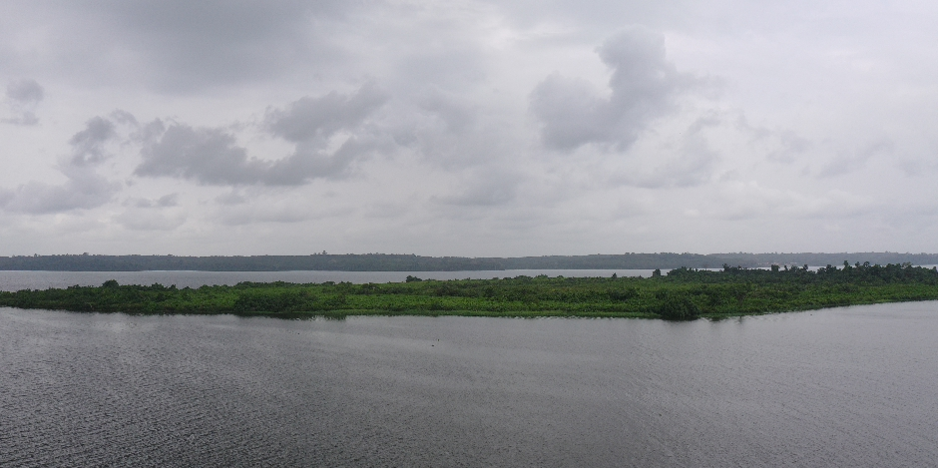
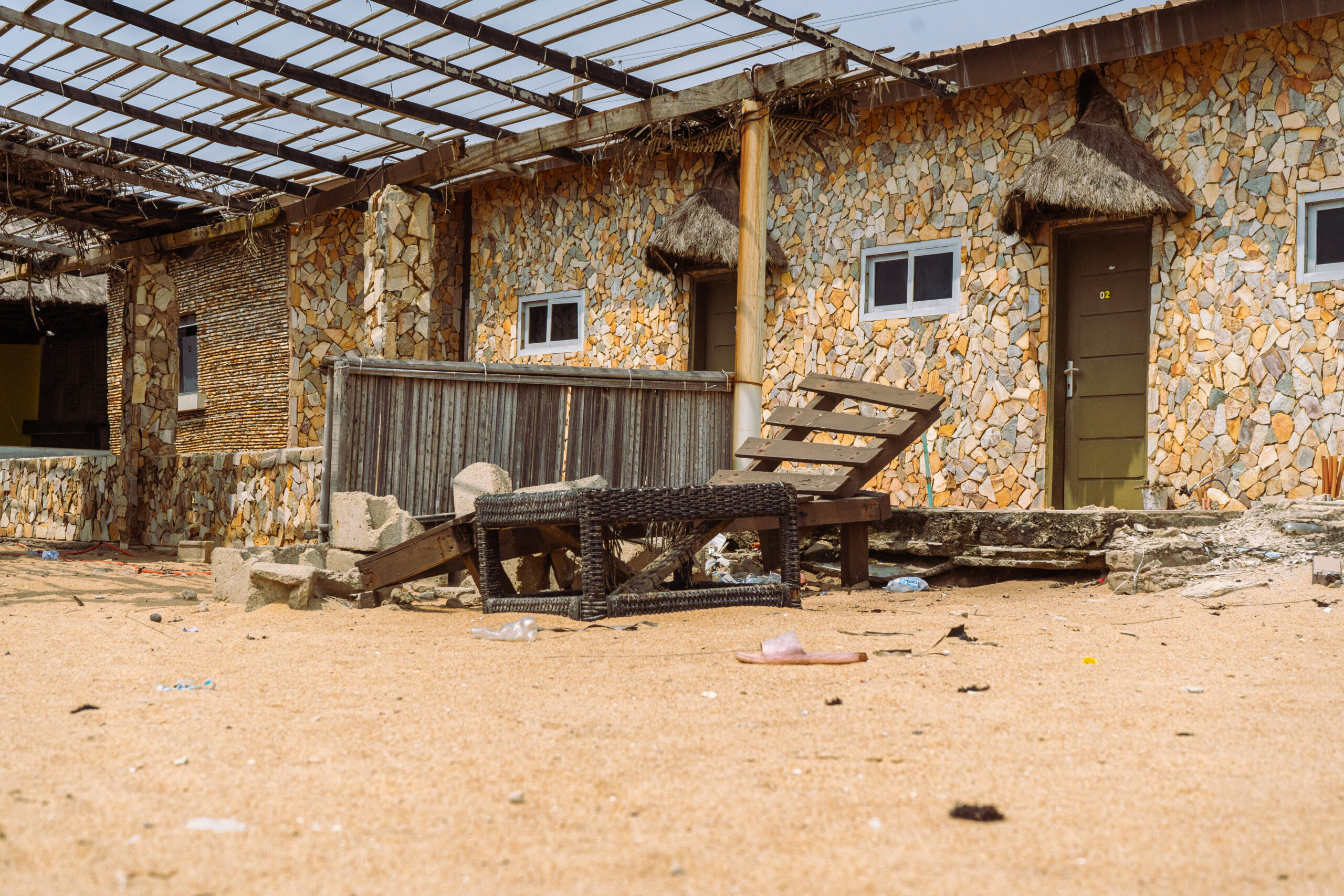
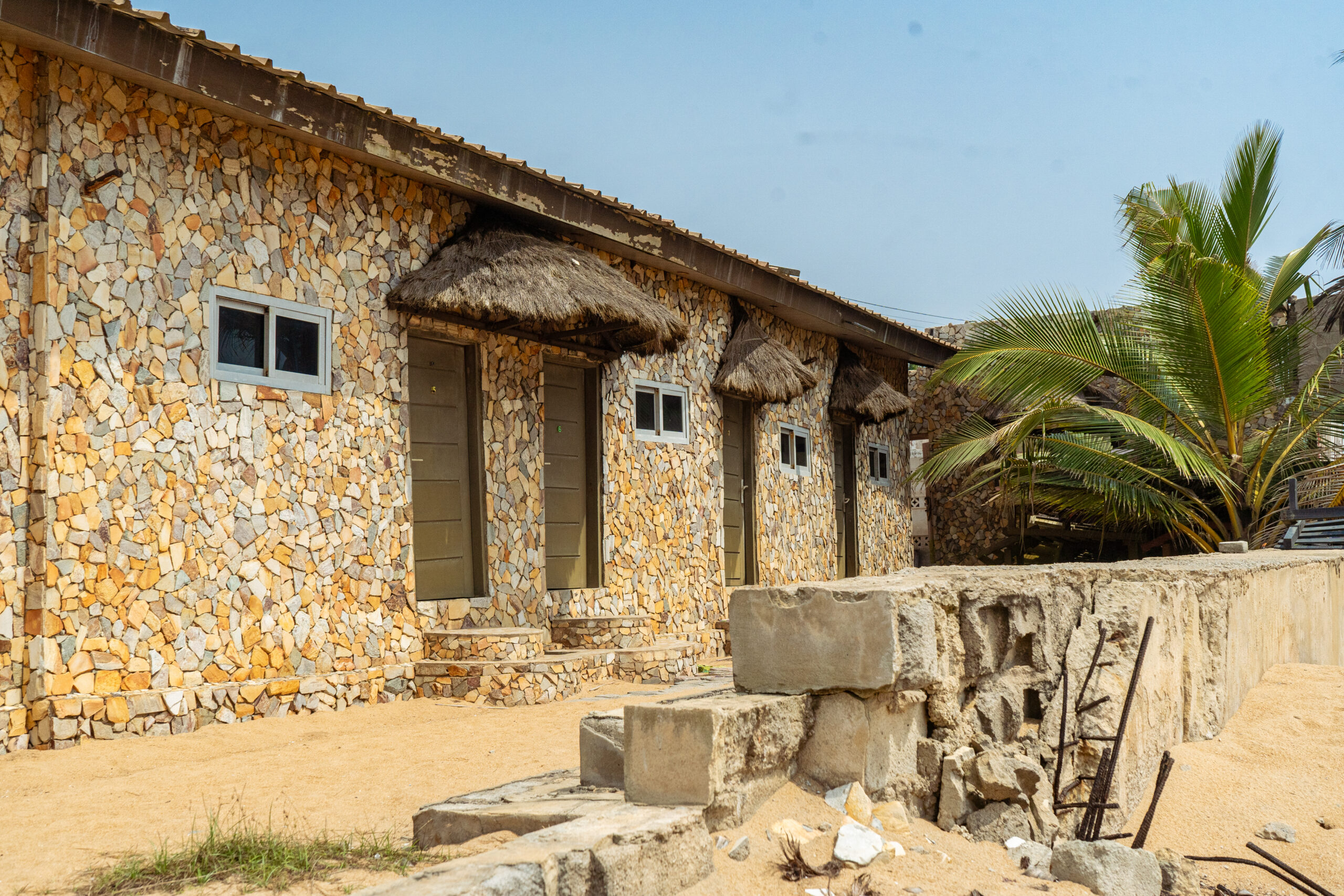
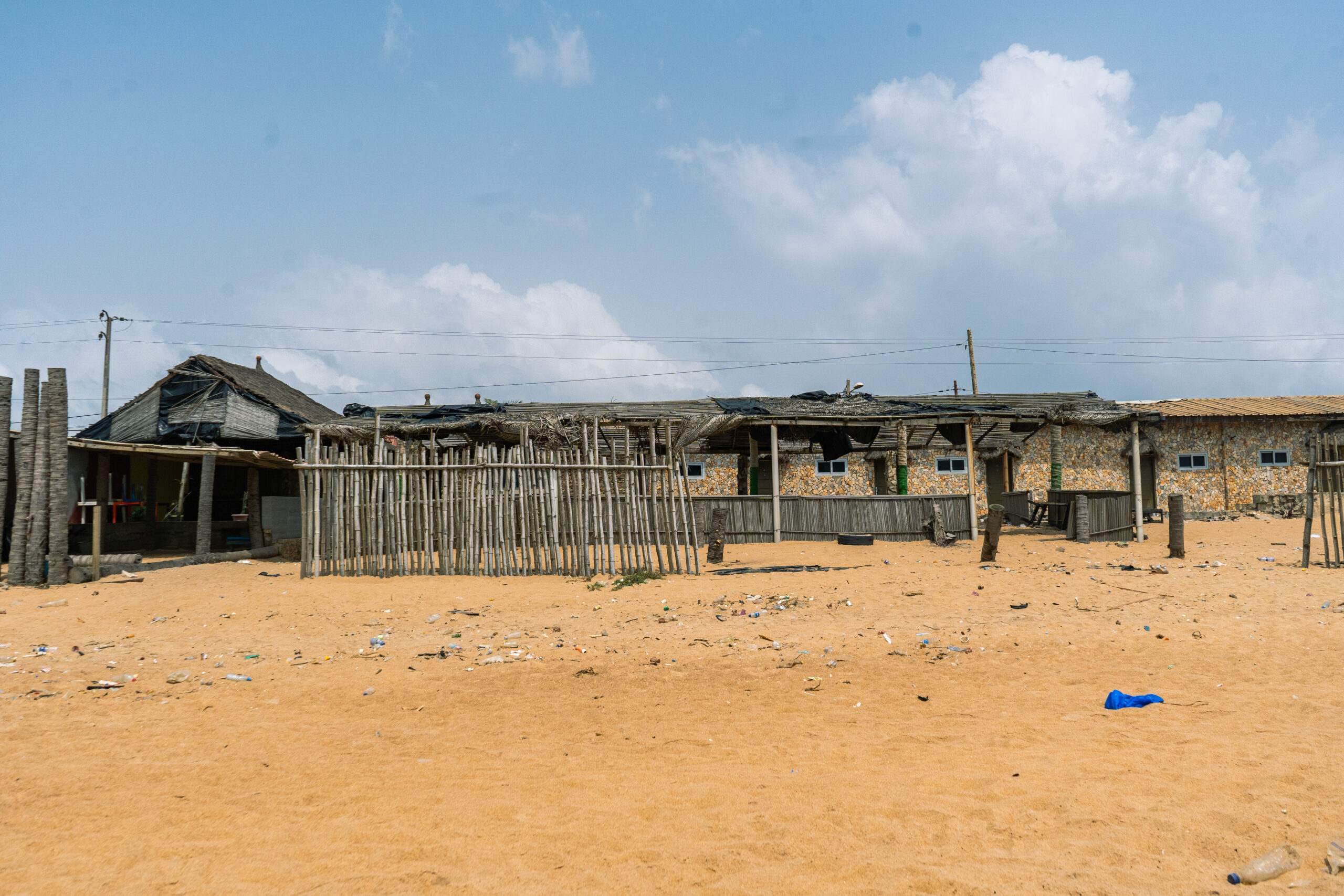
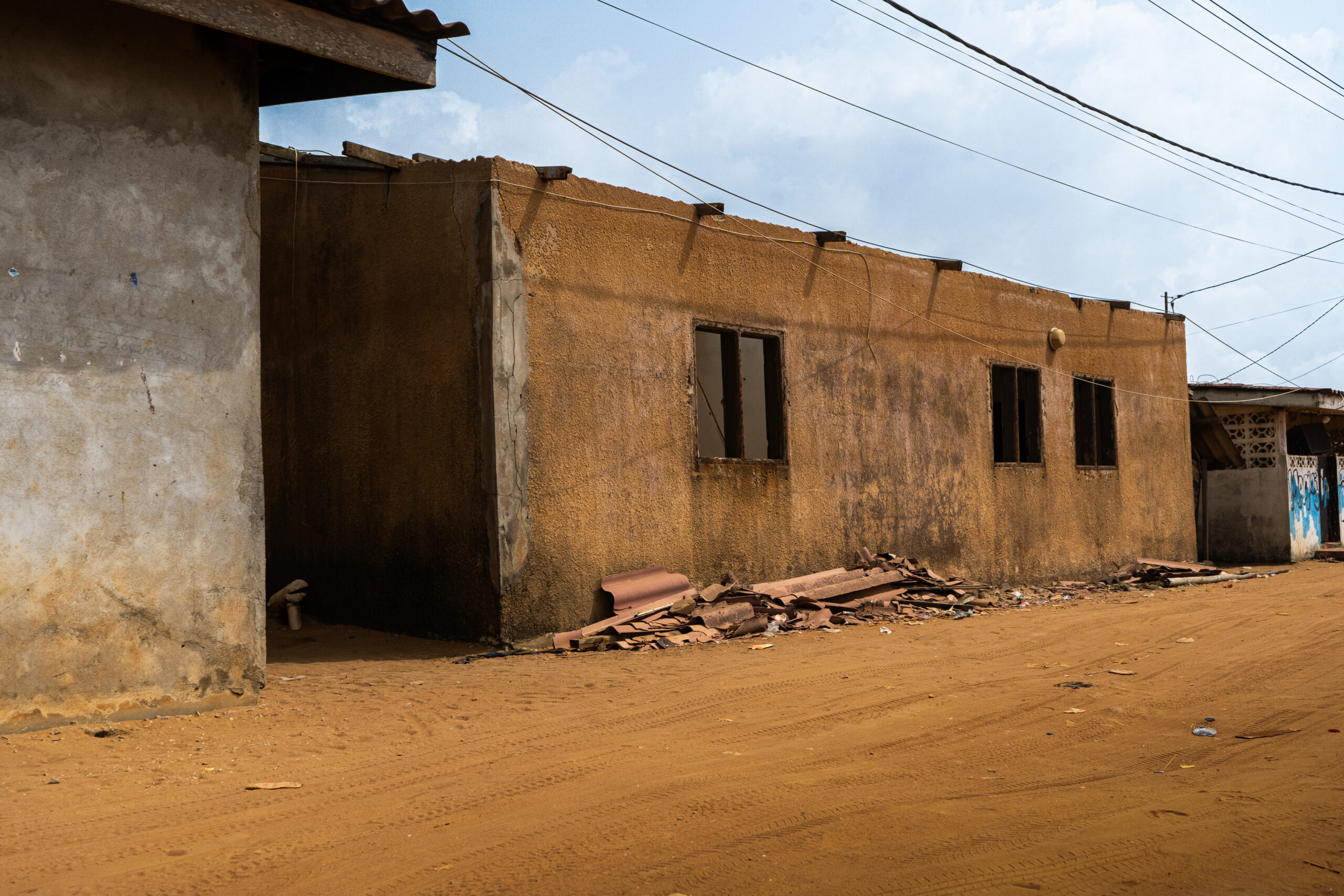
As Côte d’Ivoire’s first capital and a UNESCO World Heritage Site, Grand-Bassam holds significant cultural and historical importance. Yet its location between the Ébrié Lagoon and the Atlantic Ocean leaves it highly vulnerable to rising sea levels, flooding and coastal erosion, threatening not only its historic landmarks but also the livelihoods of fishing and farming communities.
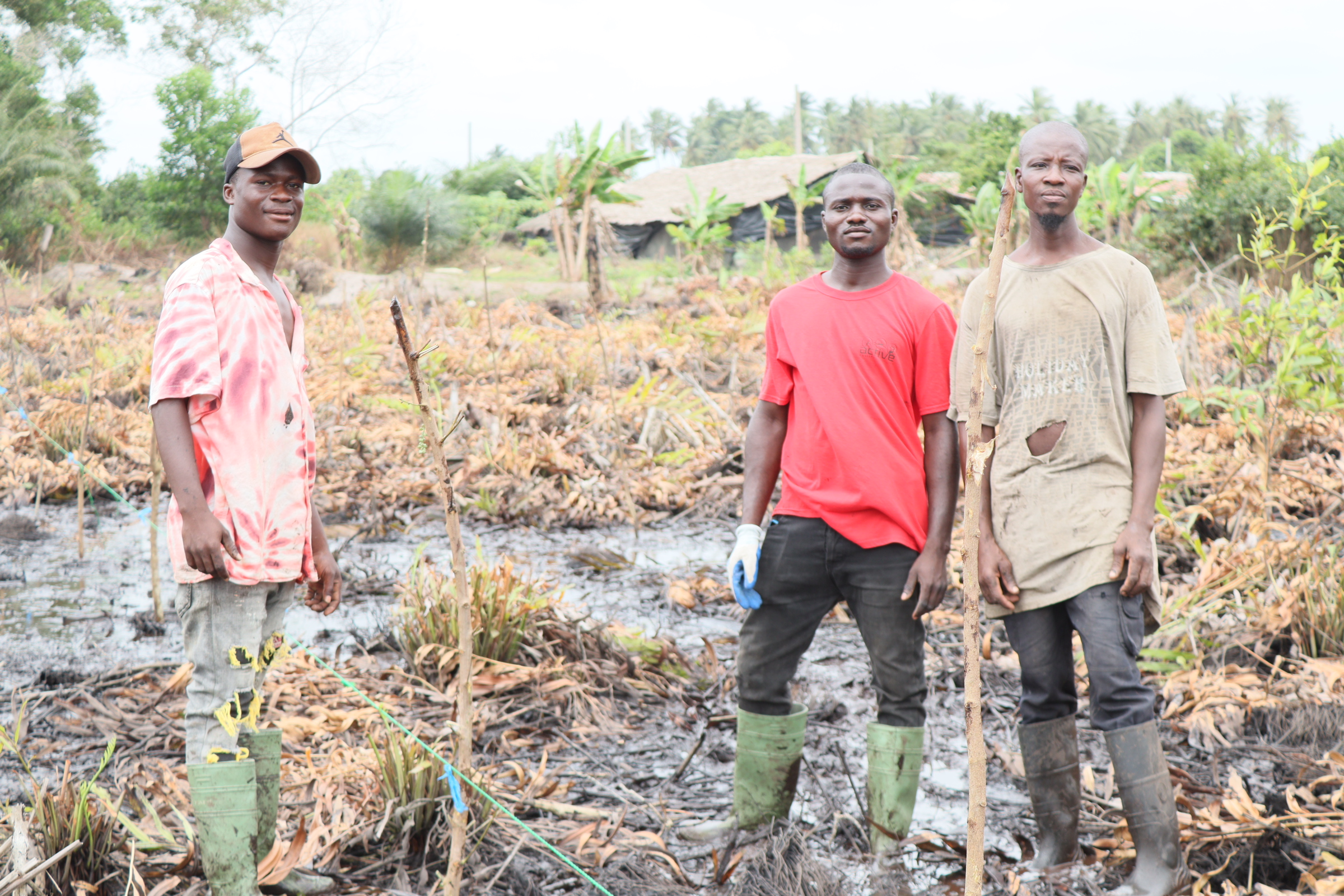
To help address these risks, the project will restore 45 hectares of degraded mangroves across Vitré 2, Azuretti and Quartier France, helping protect both communities and livelihoods that depend on the coastal ecosystem.
At the heart of the initiative is a simple principle: resilient homes and communities depend on resilient environments.
Mangroves serve as natural barriers against storm surges and erosion, support biodiversity and local fisheries, and absorb carbon from the atmosphere. By restoring these ecosystems, the project is helping safeguard homes, strengthen livelihoods and reduce climate risks for coastal communities.
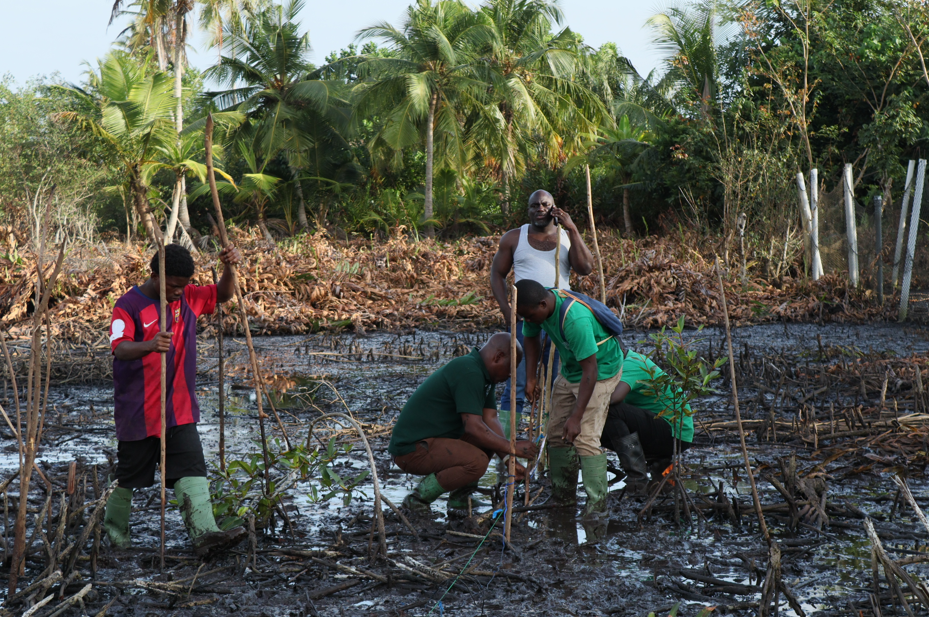
The initiative goes beyond tree planting. Community members, including women, youth and traditional leaders, are being trained and supported to lead nursery management, site restoration, planting and long-term maintenance alongside government forestry agencies.
The project aims to demonstrate how community-led, ecosystem-based adaptation can strengthen climate resilience while creating a model that can be replicated in vulnerable coastal communities across Côte d’Ivoire.
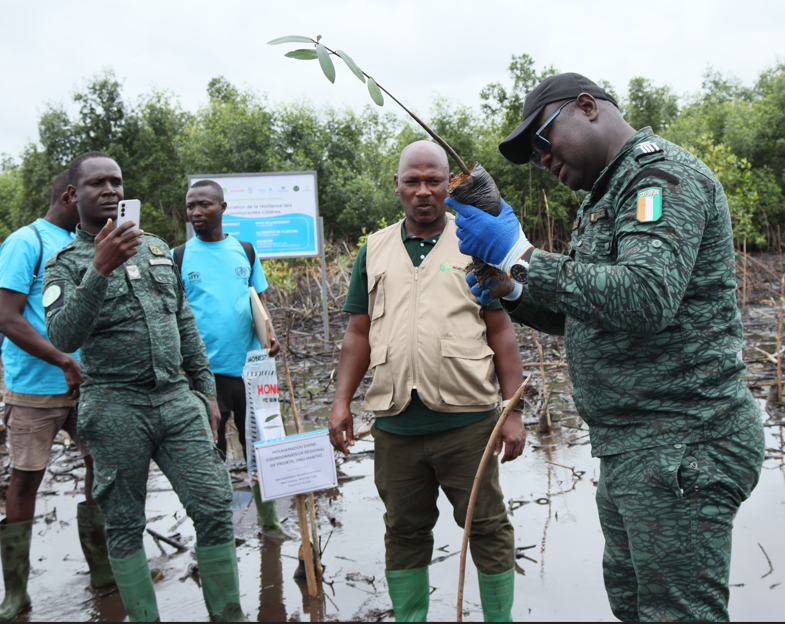
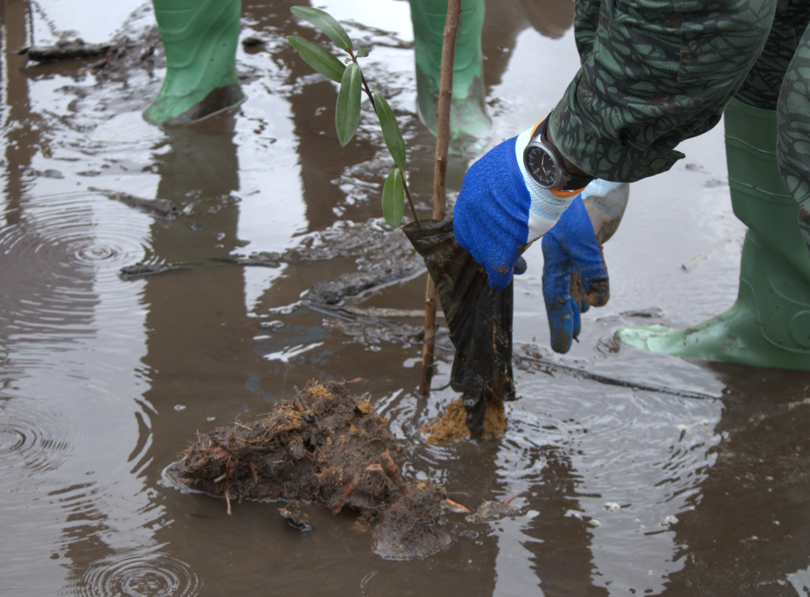
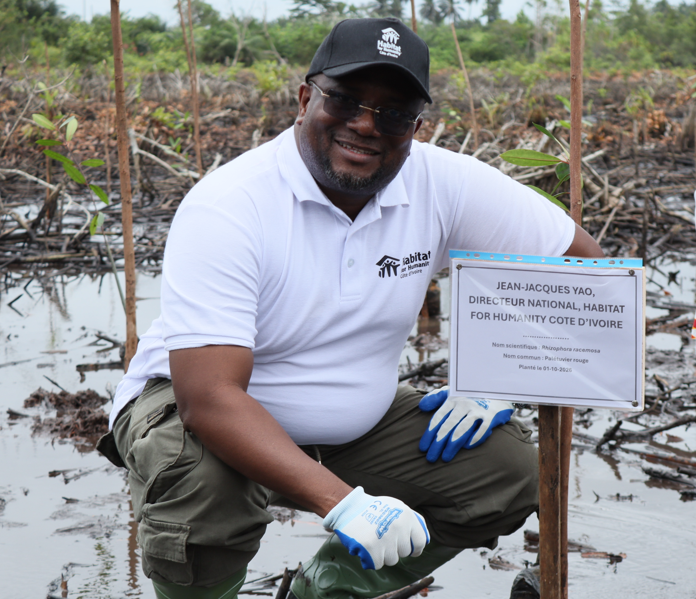
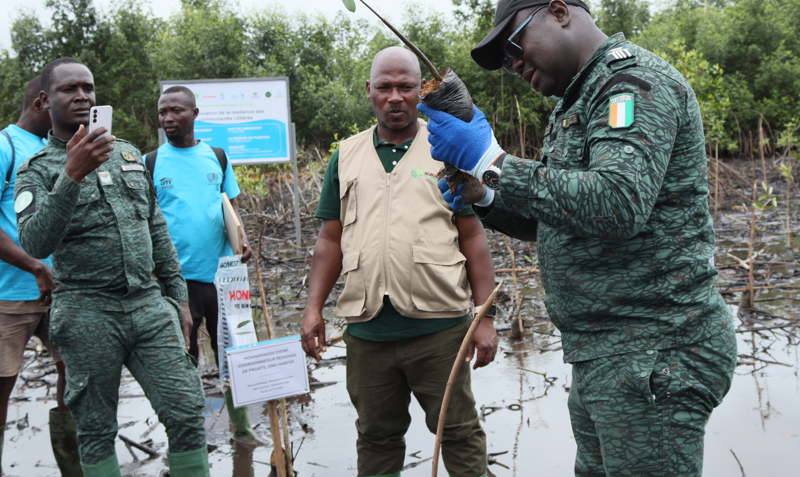
As participants planted the first red mangrove saplings (Rhizophora racemosa) in Vitré 2, they were doing more than restoring an ecosystem. They were helping protect homes, preserve cultural heritage and build a more resilient future for generations to come.
Beyond Grand-Bassam, the initiative serves as a pilot for community-led climate adaptation, generating lessons and practical models that can be scaled across Côte d’Ivoire’s coastline. By empowering women, youth and local leaders to take ownership of restoration efforts, the project is demonstrating how climate resilience can be built from the ground up.