Prepared by Lindsey Adjoa Assamouah Abotsi
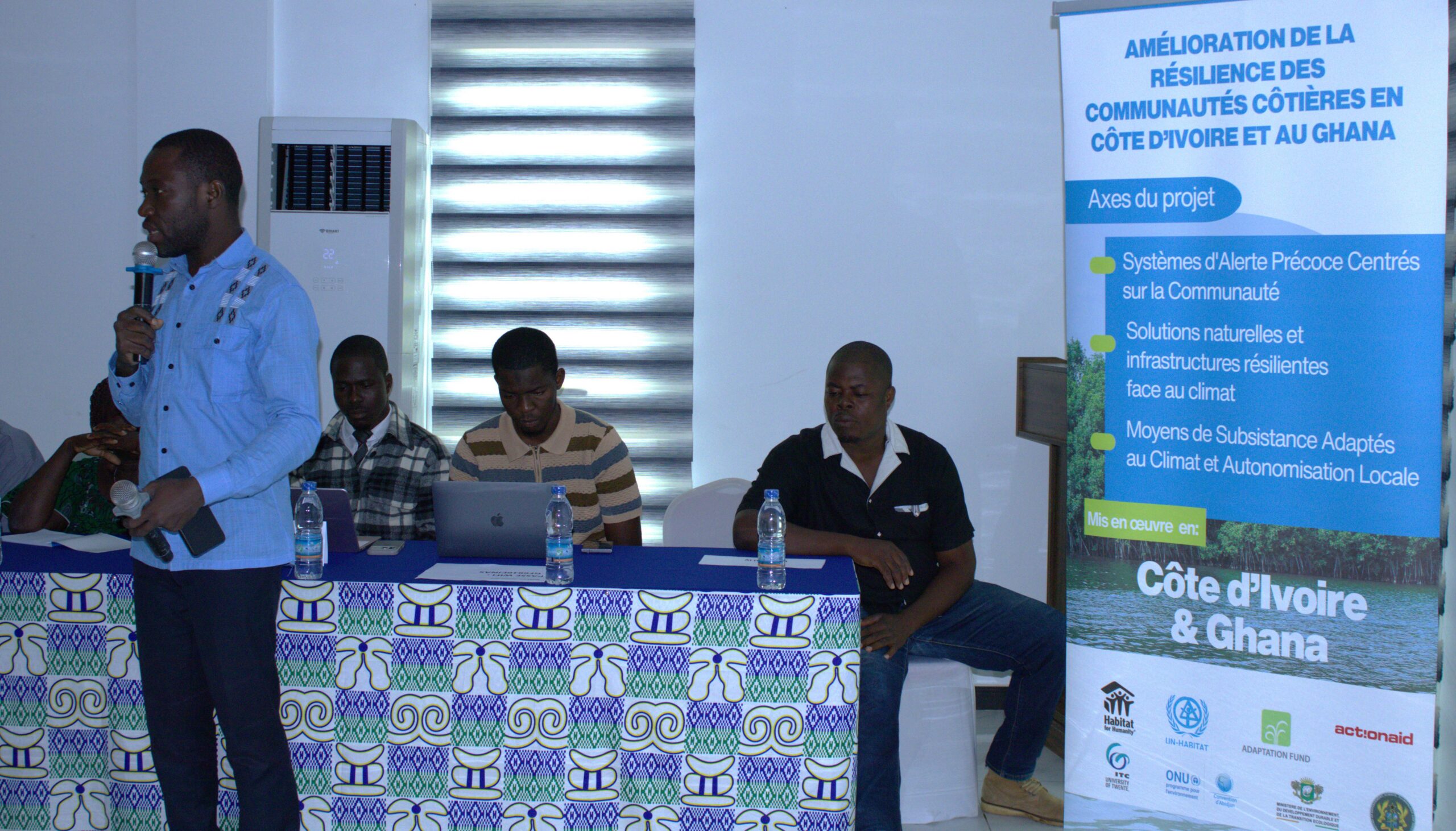
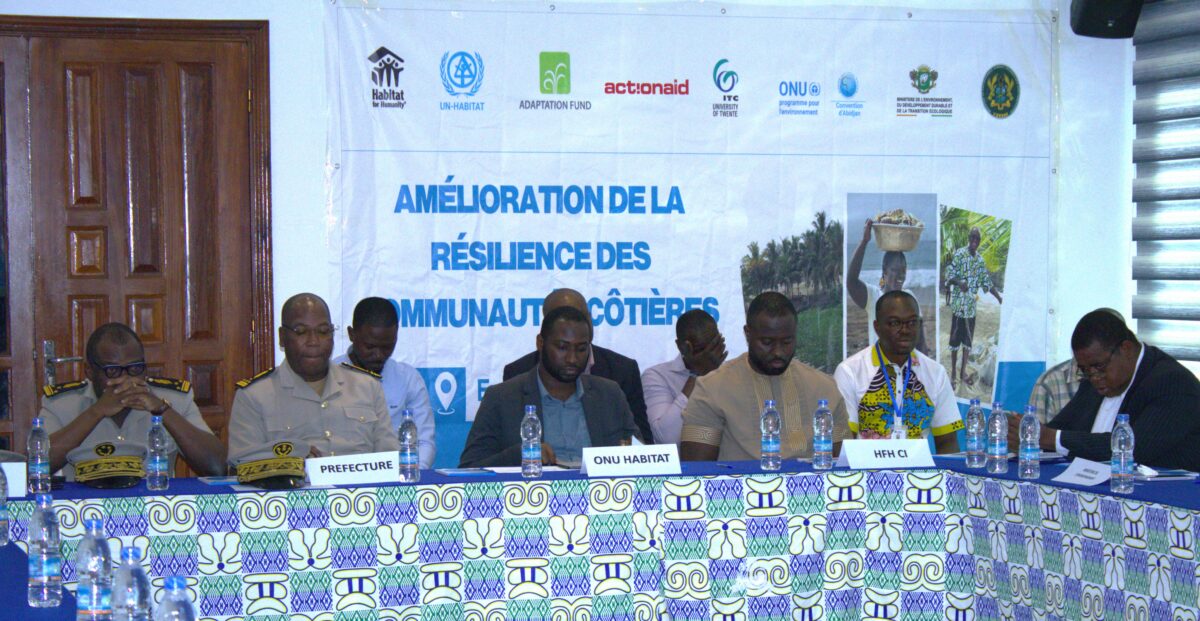
On Thursday, September 24, 2026, the Palm Sud Hotel in Jacqueville served as the setting for a remarkable gathering. Facing the repeated assaults of climate change and coastal erosion, the communities of Côte d’Ivoire and Ghana know that the time for mere observation has passed; it is time for action. Yet, every great collective endeavor requires an unshakeable foundation. It was precisely to seal this bedrock of trust that an assembly of authorities, experts, and guardians of tradition came together that day.
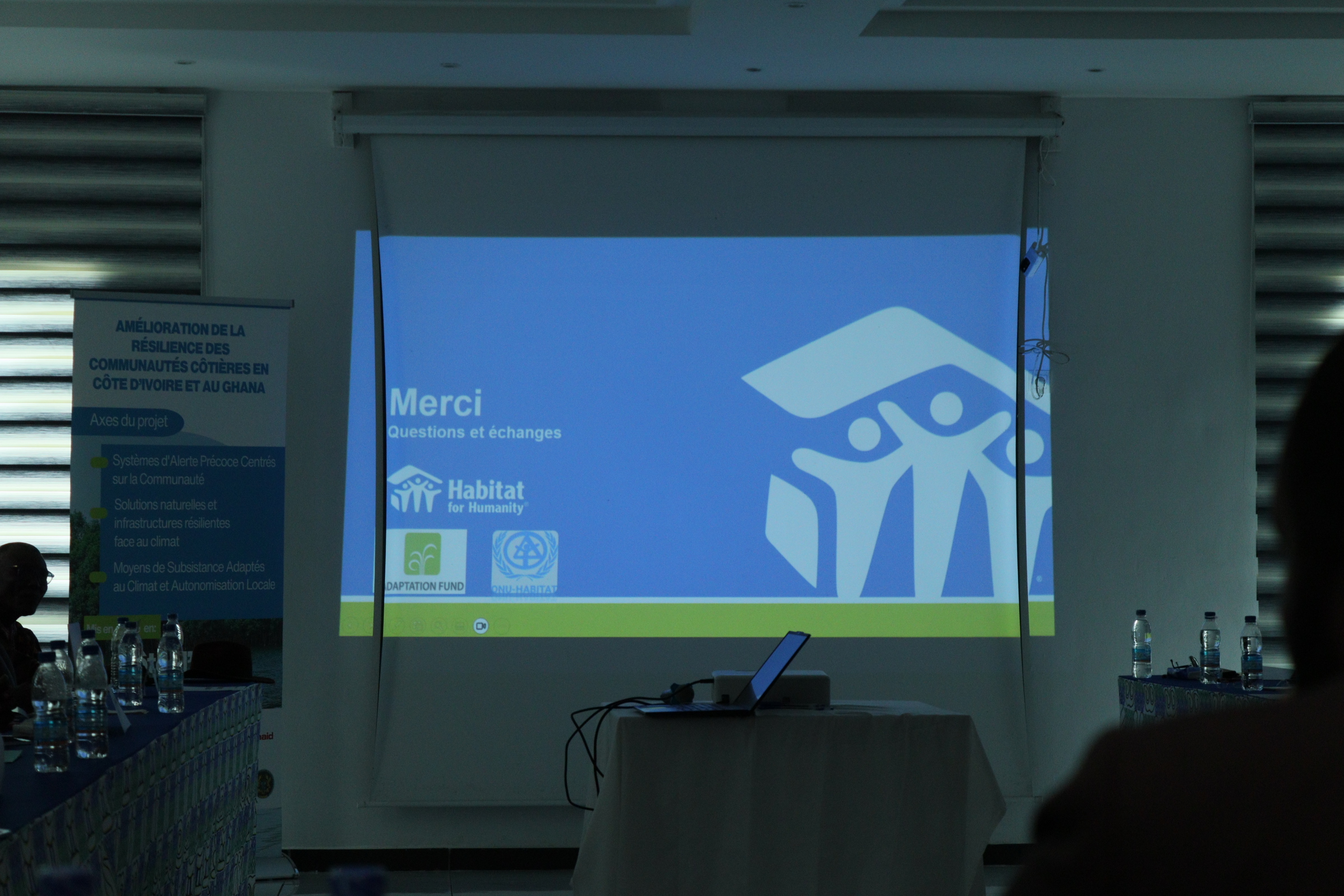
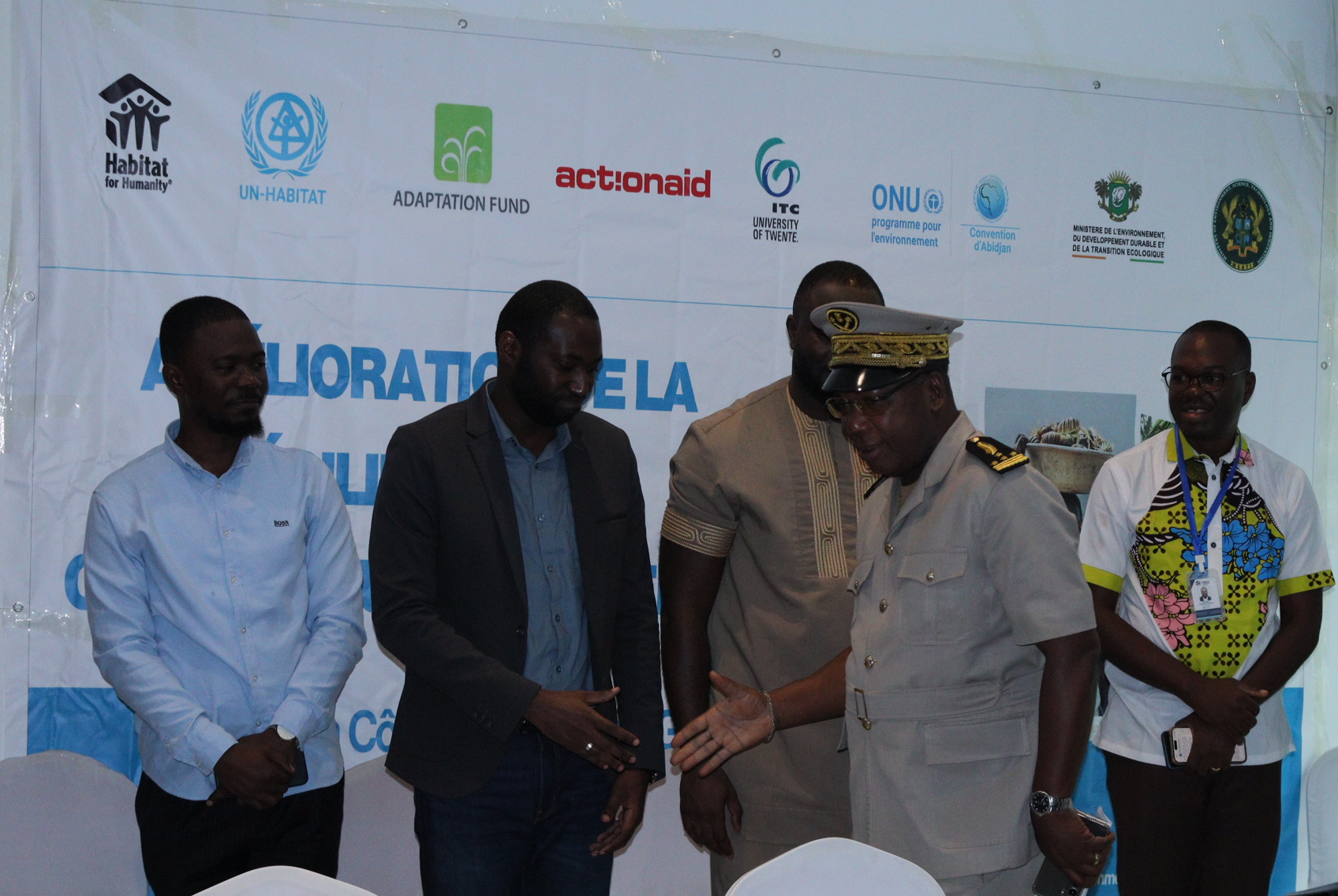
At the initiative of Habitat for Humanity International (HFHI) and its lead partner, UN-Habitat, the event took place within the framework of the project « Improving the Resilience of Coastal Communities in Côte d’Ivoire and Ghana, » funded by the Adaptation Fund. Its fundamental mission, rooted in a shared ideal of human dignity, is to ensure that every community has the means to protect itself and thrive sustainably.
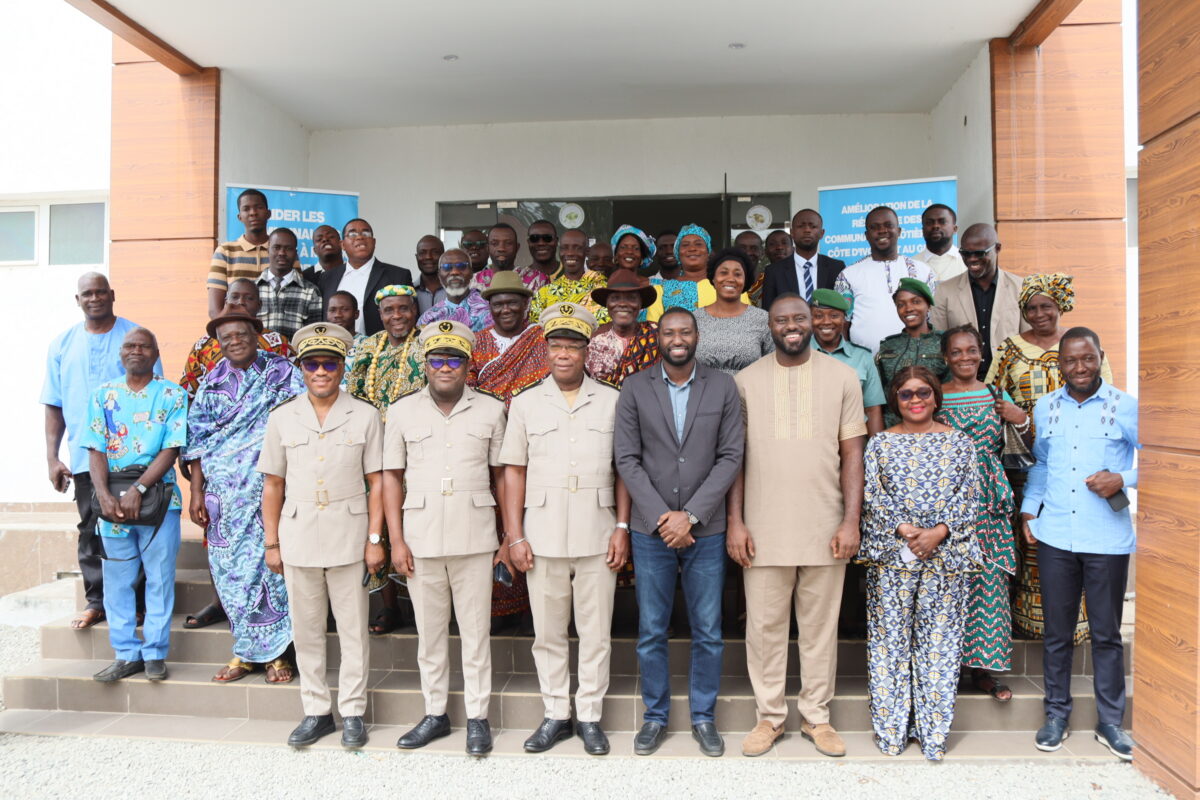
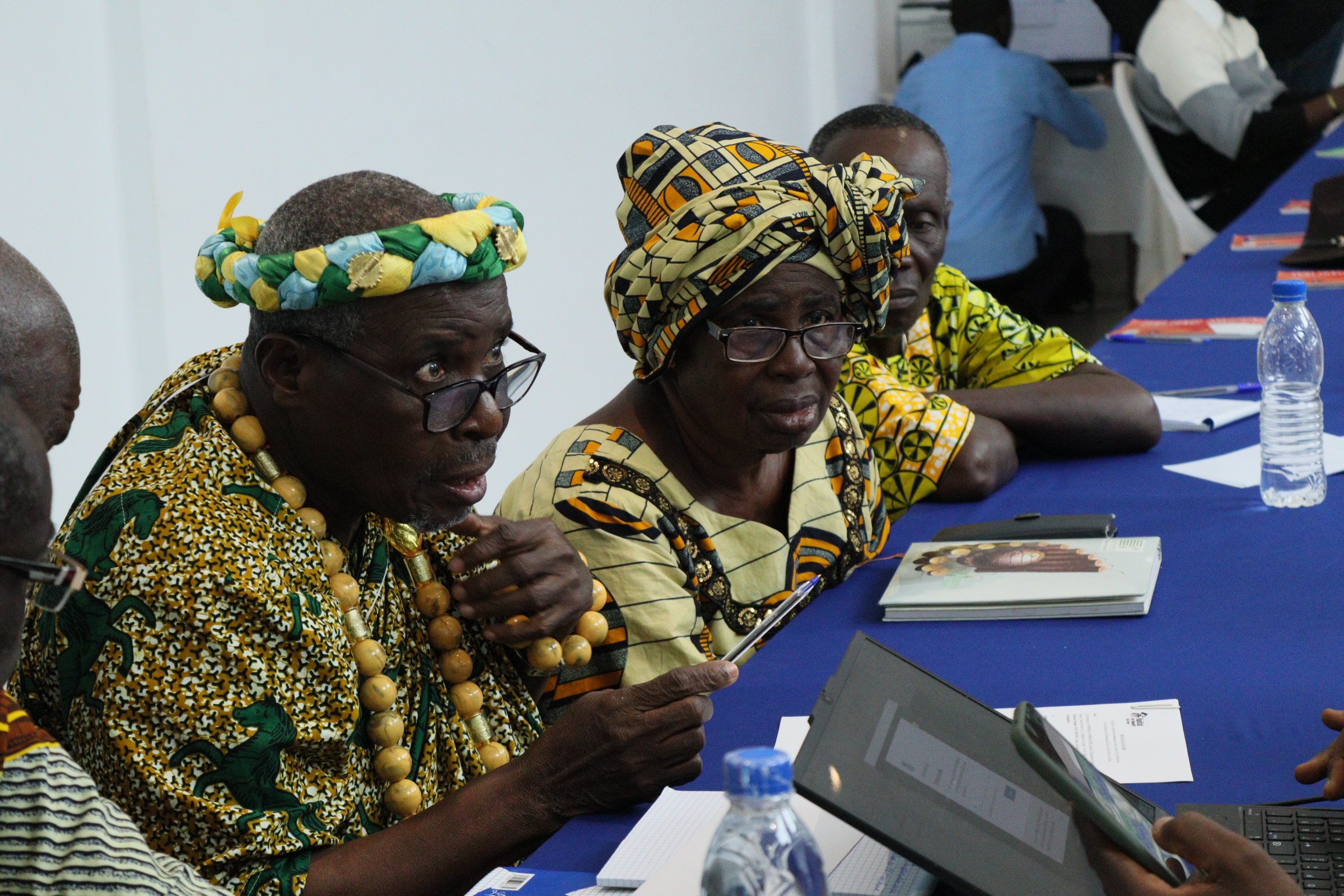
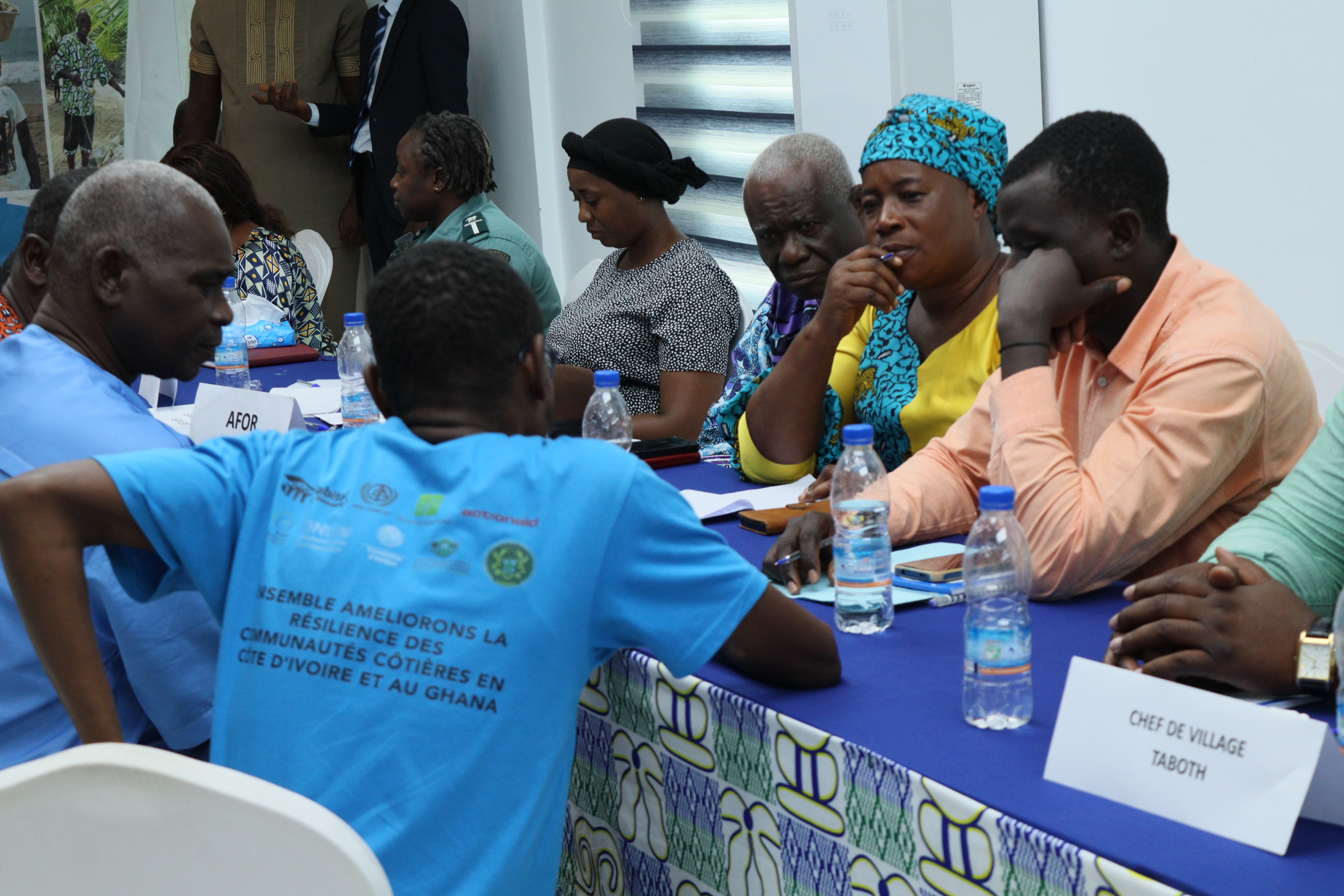
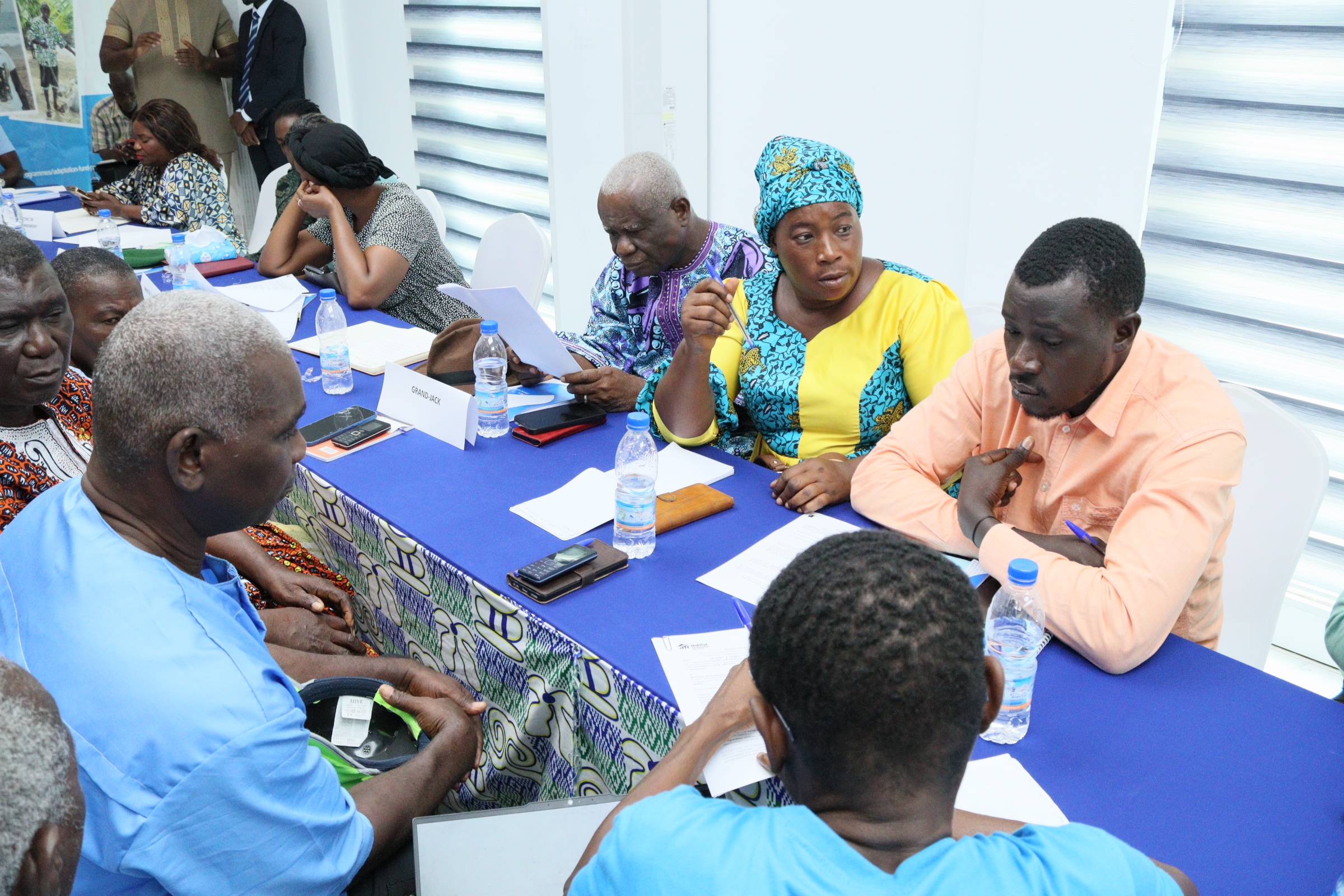
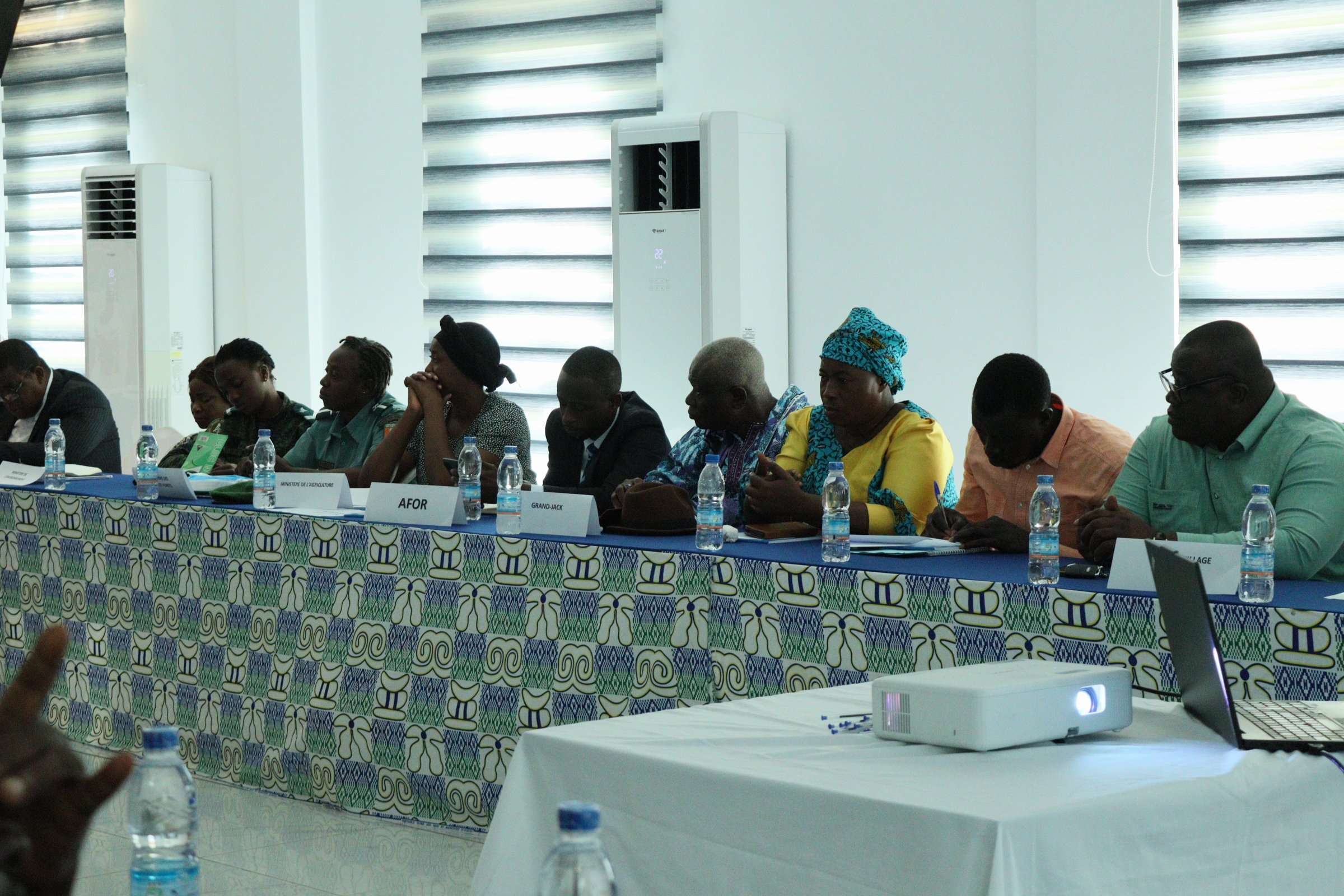
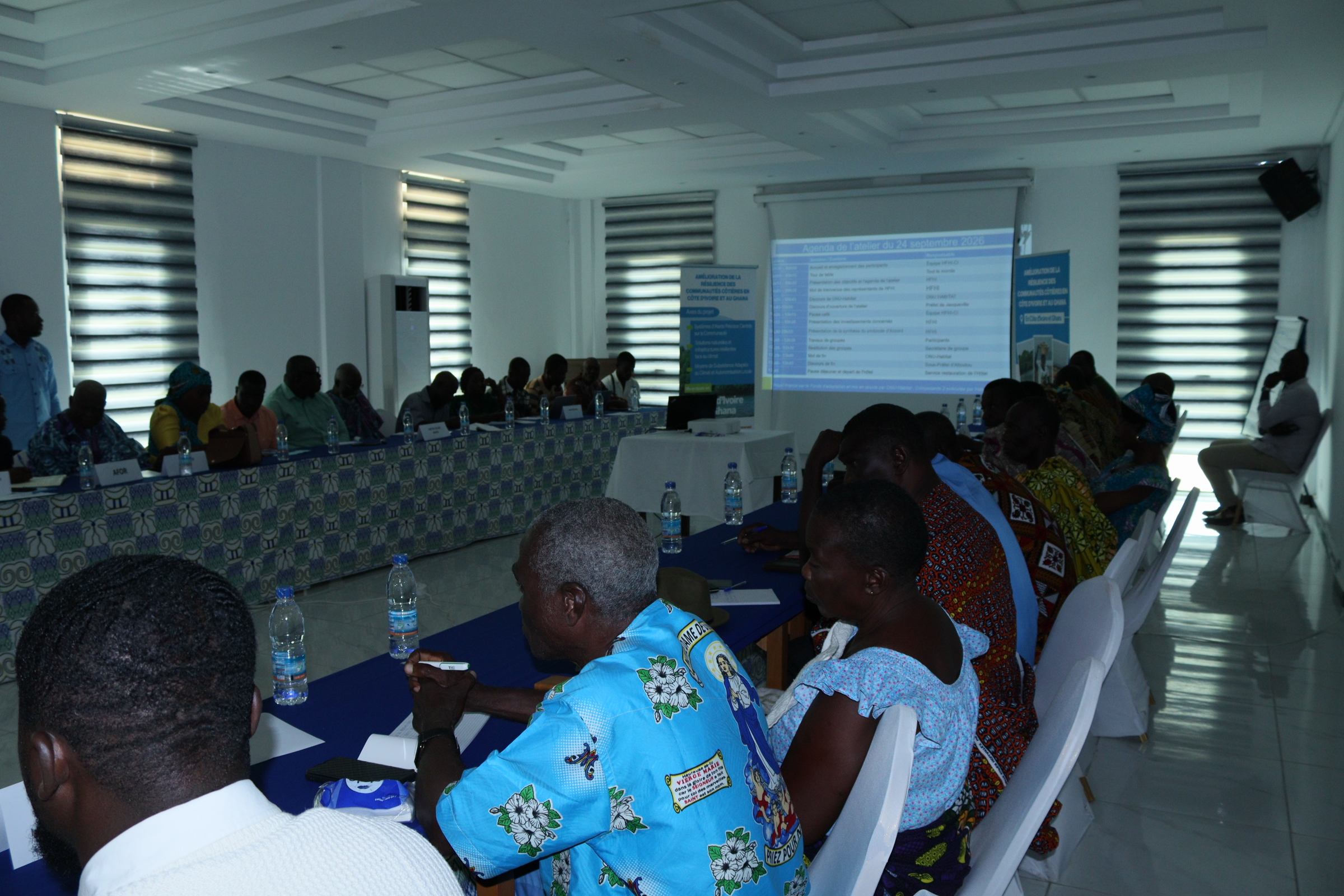
From the early hours of the morning, the room filled with a rare energy. Forty-six souls, driven by a common vision, had answered the call. Seated around the tables were the cardinal figures of the region: village chiefs, land chiefs (chefs de terre), representatives of the largest landowners, women leaders, youth presidents, and representatives of mutual associations from the six anchor villages—Taboth, Koko, Attoutou B, Tiemien, Tefredji, and Grand Jacques.
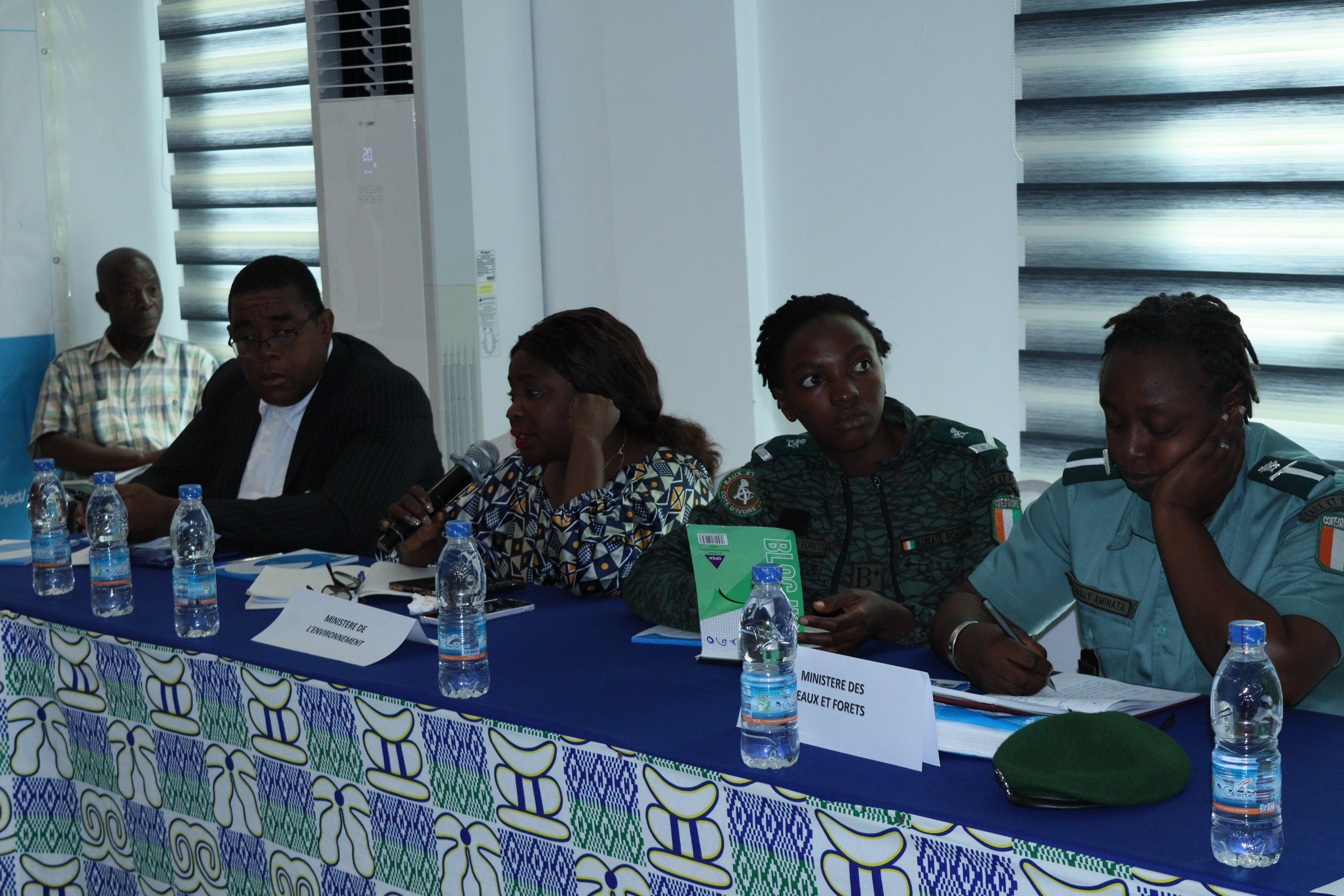
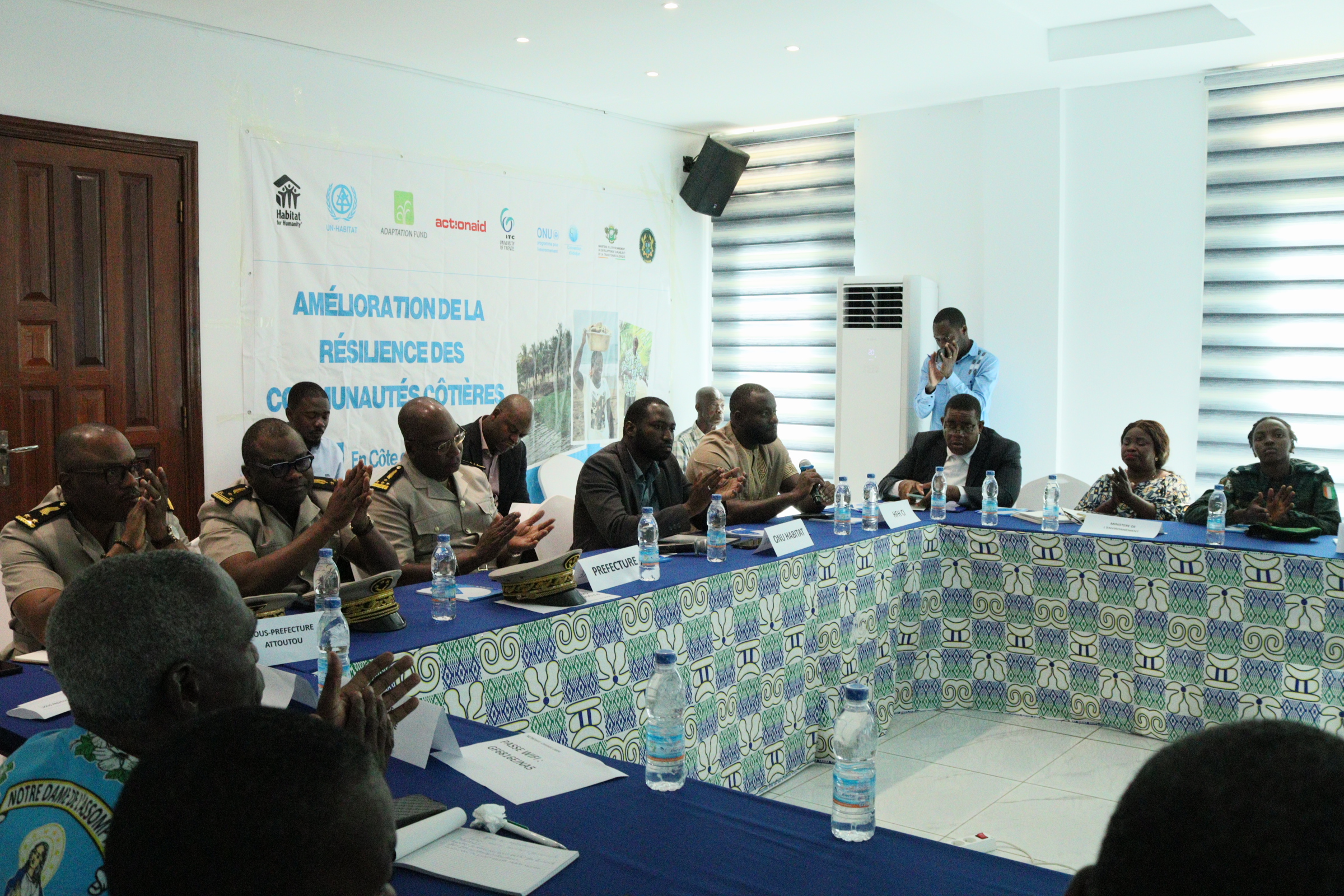
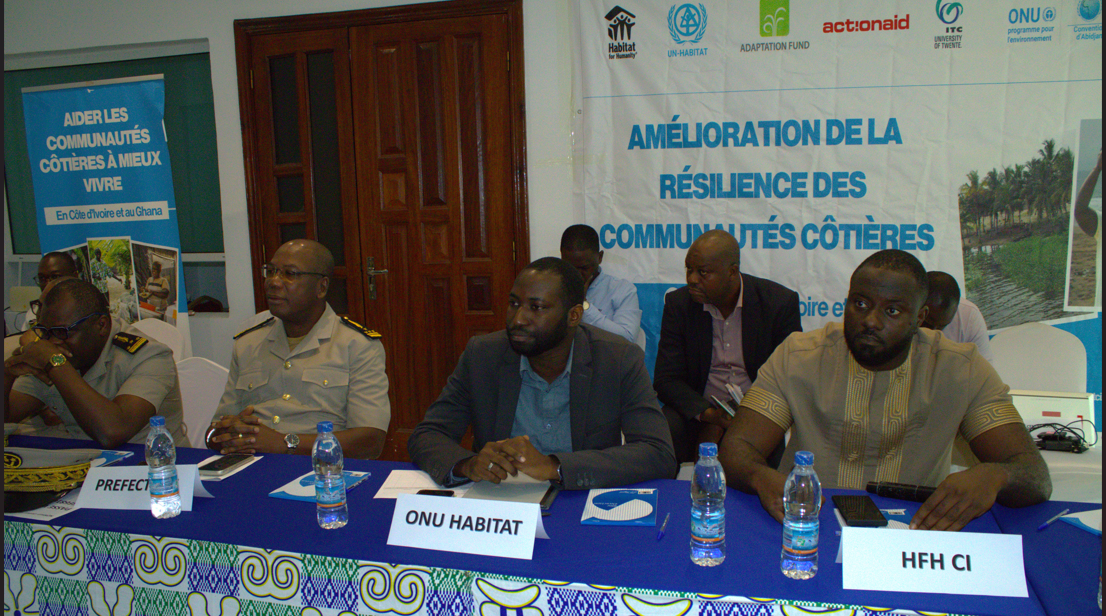
Alongside them, the State had dispatched its highest representatives: the Prefect of Jacqueville, the Sub-Prefect of Attoutou, the Sub-Prefect of Jacqueville, the Mayor of Jacqueville, as well as experts from key ministries (Construction, Water and Forests, Environment via the Regional Directorate of Grands Ponts). Renowned technical structures such as ANADER, AFOR, and the organization AGRO FORÈT INTER completed this multidisciplinary alliance.
Everyone gathered for one common accord: the Consultation and Validation of the Memorandum of Understanding (Protocole d’Accord) for land security and the long-term sustainability of the project’s investments.
For these coastal communities, land goes beyond a simple material resource; it constitutes an asset of generational transmission, a sacred bond with ancestors, and the guarantor of their children’s survival. This is why presenting the memorandum of understanding raised a delicate question: how can the use of a plot be granted without ever alienating its ownership?
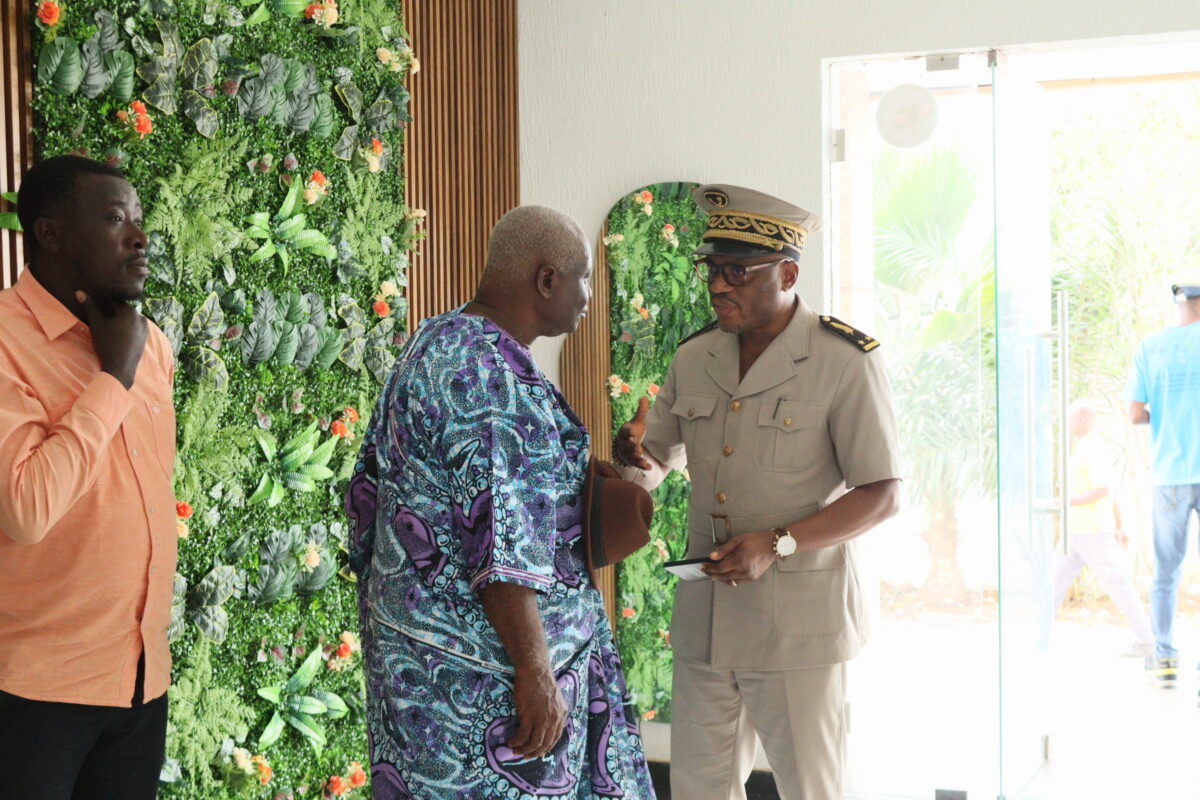
The turning point of the day occurred when anxieties began to surface. Taking the floor with clarity and benevolent authority, the Sub-Prefect of Attoutou pronounced the words that changed everything. Addressing the village representatives directly, he firmly stated that the plots entrusted would be used exclusively for the success of the project, and nothing else. This solemn declaration instantly dispelled reservations, breaking the ice and uniting hearts in a shared surge of trust.
At the heart of this agreement lies a gem of ingenuity: a space of approximately two hectares, designed to maximize community resilience. Far from being a simple fenced plot, this site is destined to become a true school of resilience.
Within this infrastructure, community members—and farmers in particular—will learn to master innovative techniques: drip irrigation to preserve water, composting to regenerate soils, and advanced methods for mangrove restoration. This center will also serve as a venue for cross-cutting training aimed at strengthening the autonomy of residents.
To sustain this momentum, the project does not merely build; it structures. A Community Management Committee will be established, involving administrative authorities, technical services, and various social strata to ensure the proper functioning and sustainability of the project’s investments. This committee will ensure that the infrastructure generates green jobs and sustainable opportunities long after the partners withdraw.
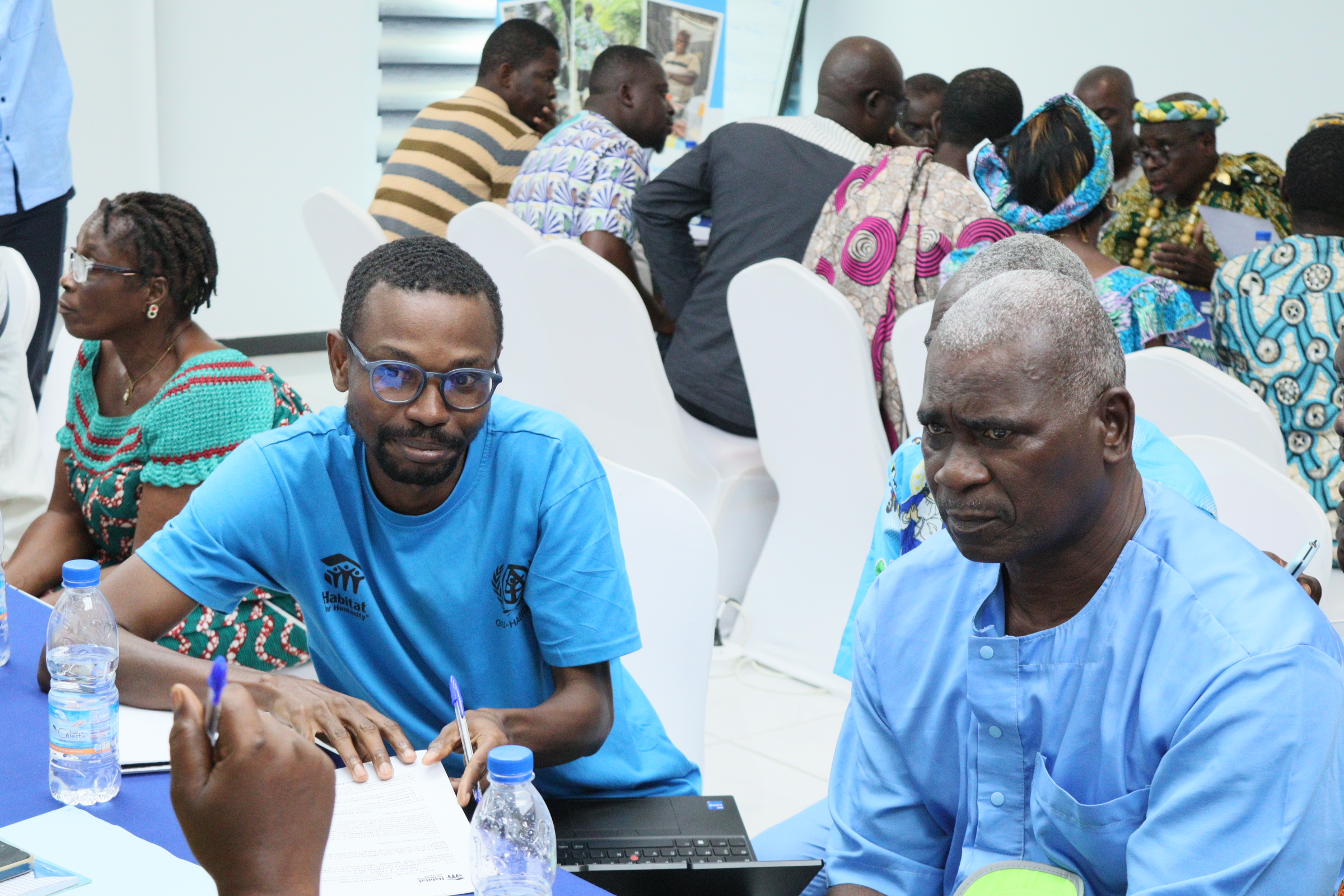
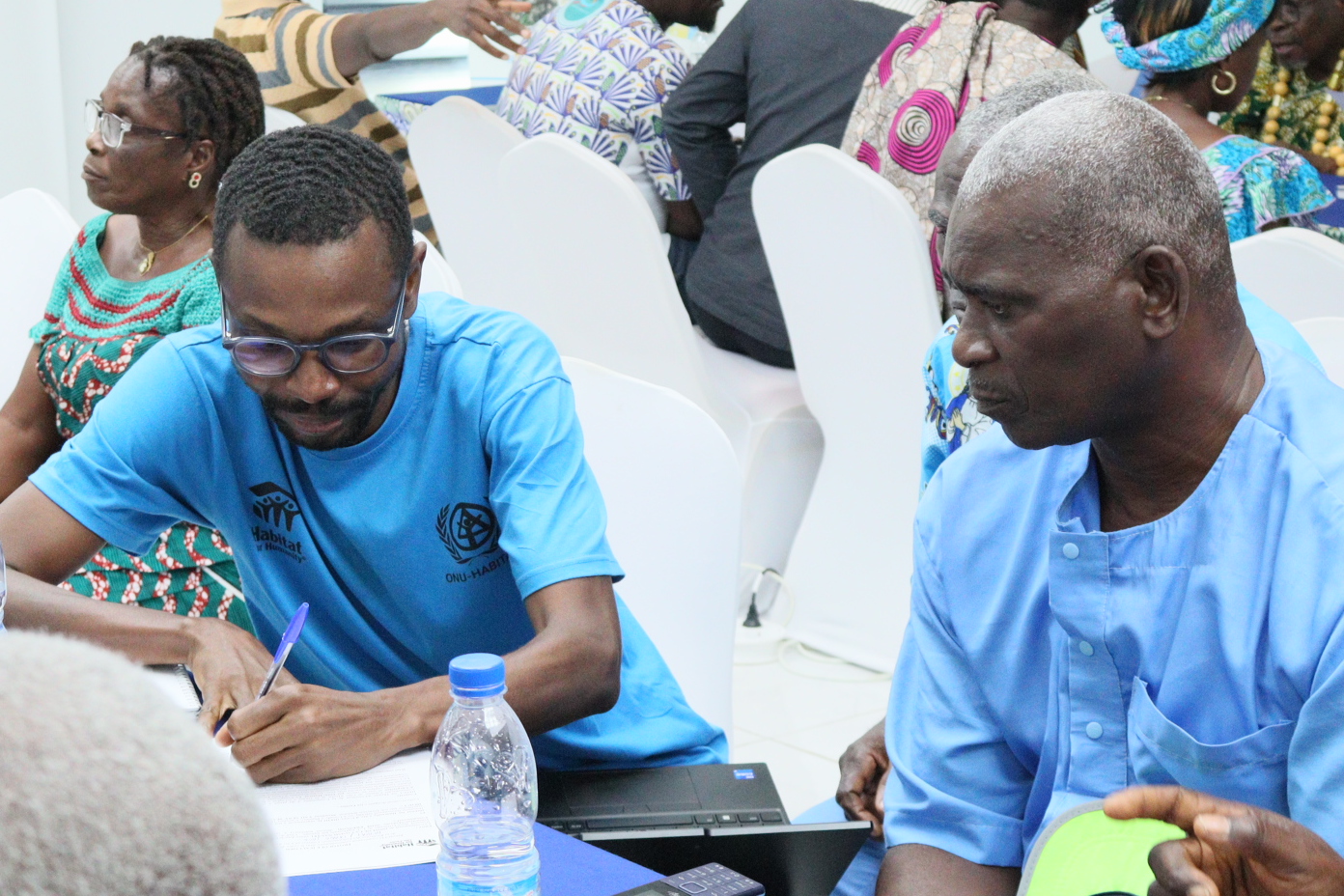
To ensure that this pact faithfully reflects the popular will, a participatory exercise sealed the workshop’s work. Divided into three working groups, community members actively shaped the content of the protocol, infusing their vision and requirements into every line of the document.
When the work concluded, the prevailing sentiment was one of collective victory. This workshop did not merely validate a legal protocol; it wove an unbreakable alliance between the State, international institutions, and local populations. In Jacqueville, the communities have taken hold of the compass of their own future, ready to face the tides of change with the strength of unity and the certainty of their roots.